Understanding CNC Stainless Steel Parts: What You Need to Know
CNC (Computer Numerical Control) machining is transforming the landscape of manufacturing, particularly in the realm of stainless steel parts. By utilizing automated controls, manufacturers can create precise components that boast excellent durability and strength. This article delves into the essentials of CNC stainless steel parts, providing insights that can empower businesses in their search for reliable cnc stainless steel parts suppliers.
What Are CNC Stainless Steel Parts?
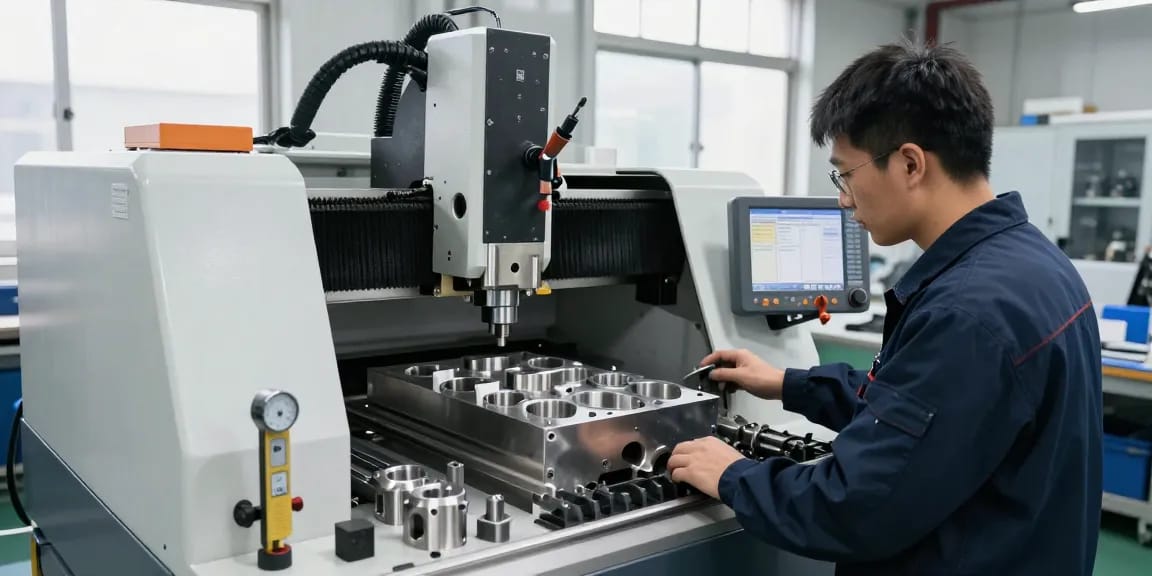
CNC stainless steel parts are components made from stainless steel that have been precisely cut, shaped, or finished using CNC machining techniques. This process involves the use of advanced computer systems to control machinery tools, creating parts with high levels of accuracy and repeatability. Common stainless steel grades utilized in CNC machining include 304, 316, and 410, each of which has unique properties suitable for various applications.
Key Benefits of Using CNC Machining for Stainless Steel
The adoption of CNC machining for stainless steel parts offers numerous benefits:
- Precision: CNC machines can achieve complex geometries and tight tolerances that are often unattainable through manual methods.
- Efficiency: Once programmed, CNC machines can produce parts rapidly without compromising quality, facilitating high-volume production runs.
- Consistency: Each part produced is nearly identical, ensuring uniformity in quality, which is crucial for components used in critical applications.
- Material Versatility: Stainless steel can be quickly machined to suit various applications, from medical devices to automotive components.
Popular Applications in Various Industries
CNC stainless steel parts find wide-ranging applications across several industries, including:
- Aerospace: Components that require lightweight yet durable materials for aircraft manufacturing.
- Medical: Surgical instruments and implants that demand stringent hygiene and durability standards.
- Automotive: Parts like brackets, casings, and fittings that must withstand harsh conditions and provide reliability.
- Food Processing: Equipment that requires materials that are corrosion-resistant and easy to clean.
Choosing the Right CNC Stainless Steel Parts Supplier
Finding the right supplier is critical in ensuring that you receive high-quality CNC stainless steel parts. Suppliers vary in capabilities, experience, and standards, so careful evaluation is essential.
Evaluating Supplier Credentials and Certifications
When selecting a supplier, it is crucial to assess their credentials and certifications. Look for ISO certifications, as these indicate adherence to international quality standards. Additionally, reviews and testimonials from previous clients can provide insight into their track record and reliability.
Understanding Manufacturing Capabilities and Technologies
Different suppliers might specialize in various manufacturing techniques, such as 5-axis machining, laser cutting, or waterjet cutting. Understanding these capabilities allows you to choose a supplier whose technology matches your specific needs for precision and complexity.
Importance of Customer Support and Communication
A strong communication channel with your supplier is vital. Ensure that they have a responsive customer service team and are willing to work with you throughout the process, from design to delivery. Effective communication minimizes errors and improves overall efficiency.
Common Pitfalls to Avoid When Selecting Suppliers
Choosing a CNC stainless steel parts supplier is fraught with potential pitfalls. Being aware of these can save time, money, and frustration.
Overlooking Quality Control Standards
Many suppliers may promise high-quality parts but fail to implement rigorous quality control processes. Ensure that your chosen supplier employs systematic inspection methods to verify product quality consistently.
Ignoring Lead Times and Delivery Schedules
Understanding lead times is crucial to avoid production delays. Before selecting a supplier, inquire about their standard lead times and whether they can accommodate rush orders if necessary.
Underestimating Total Costs and Hidden Fees
Beyond the initial quote, consider additional costs that could arise from tooling, shipping, or revisions. A thorough understanding of the total cost of ownership helps in budgeting for the project.
Best Practices for Collaborating with Suppliers
Once you've chosen a supplier, fostering a collaborative relationship can enhance the quality and efficiency of your projects.
Establishing Clear Specifications and Requirements
Providing your supplier with detailed specifications reduces the chances of misunderstandings and errors. Clearly outline material specifications, tolerances, and expected finishes to ensure alignment.
Building Long-term Relationships with Suppliers
Developing strong partnerships can lead to better pricing, priority service, and enhanced collaboration on future projects. Frequent interactions help build trust and facilitate smoother transactions.
Leveraging Technology for Better Collaboration
Utilize project management tools and software to keep track of progress and communicate seamlessly with your supplier. This can foster transparency and accountability in the manufacturing process.
Future Trends in CNC Stainless Steel Parts Supply Chain
The landscape of CNC machining is evolving. Staying abreast of future trends will help businesses adapt and thrive.
Emerging Technologies Impacting Manufacturing
Technologies such as additive manufacturing, IoT integrations, and advanced robotics are increasingly being integrated into CNC machining processes. These innovations improve efficiency, reduce waste, and enhance product quality.
Sustainability Practices in CNC Machining
As sustainability becomes a focal point for industries, suppliers that embrace eco-friendly practices are gaining traction. Consider suppliers who utilize recyclable materials and implement waste-reduction strategies.
Predictions for Supplier Diversification by 2026
By 2026, a growing number of businesses are expected to diversify their supplier bases to mitigate risks associated with global supply chain disruptions. This trend can lead to more competitive pricing and improved service quality.
What Guarantees Can CNC Stainless Steel Parts Suppliers Offer?
Reliable suppliers often provide guarantees on their products, including quality assurances and service commitments. Understand the warranty policies and what recourse you have in case of defects or issues.
How to Ensure Consistency and Quality in Delivery?
Establishing a robust quality assurance framework with your supplier can ensure consistent delivery of high-quality parts. Regular audits and feedback loops will keep quality at the forefront.
What Are the Best Practices for Cost-Effective Sourcing?
Engaging multiple suppliers for quotes and comparing their offerings can help identify the best pricing strategies. Consider bulk orders for discounts and explore long-term contracts for further cost reductions.
What Innovations Should You Look for in CNC Suppliers?
Stay informed about the latest innovations in CNC machining, such as advancements in machine precision and software capabilities. These innovations can enhance production outcomes and reduce costs.
How to Assess Supplier Reliability Over Time?
Regularly reviewing supplier performance based on delivery times, quality, and customer service can help you gauge their reliability. Establish metrics to track their performance over the long term.