Introduction to Steel Structure Design
Steel structure design plays a pivotal role in modern construction, providing the framework for a wide variety of buildings and structures. With its unparalleled strength-to-weight ratio, durability, and adaptability, steel is a favored choice for construction projects ranging from residential buildings to bridges and skyscrapers. As the demand for steel structures continues to grow, understanding the nuances of effective steel structure design becomes increasingly essential for architects, engineers, and construction professionals alike.
Understanding Steel in Construction
To grasp the significance of steel in construction, it is crucial to understand its properties and how they contribute to the overall stability and longevity of a structure. Steel is an alloy composed primarily of iron and carbon, which enhances its strength and makes it ideal for supporting heavy loads. Key advantages of steel include its:
- High tensile strength: Steel can withstand significant forces without breaking, making it suitable for large and complex designs.
- Versatility: Steel can be fabricated into many shapes and forms, allowing for creative architectural designs that would be difficult to achieve with traditional materials.
- Durability: Steel structures resist weathering, decay, and pest damage, ensuring a long life with minimal maintenance.
- Recyclability: Steel is 100% recyclable, making it a sustainable material choice for environmentally conscious design.
Benefits of Steel Structure Design
Designing with steel offers several notable benefits, including:
- Cost-effectiveness: Due to its strength, less material is required in many instances, reducing overall project costs.
- Speed of construction: Prefabricated steel components can be manufactured offsite, allowing for quicker installation onsite.
- Design flexibility: Steel’s strength allows for open spaces and creative layouts without compromising structural integrity.
- Adaptability: Steel structures can be modified or expanded more easily than other materials, accommodating future growth.
Key Components Involved in Design
Steel structure design involves several critical components, each contributing to the overall functionality of the system:
- Beams: Horizontal members that support vertical loads.
- Columns: Vertical structural components that carry the weight of beams and other loads.
- Connections: Joints that join beams to columns; their design is critical for the overall stability of the structure.
- Bracing: Diagonal supports that help resist lateral forces, essential for tall structures and those in earthquake-prone areas.
Planning Your Steel Structure Design
Assessing Project Requirements
Successful steel structure design begins with a thorough assessment of the project requirements. These include understanding the purpose of the structure, expected loads, site conditions, and budget constraints. Key considerations involve:
- Load analysis: Determining the types of loads the structure must support, including dead loads (permanent/static loads), live loads (temporary/movable loads), and environmental loads (wind, seismic, snow).
- Site constraints: Evaluating the site for geographical features, zoning regulations, and environmental factors that might impact design.
- End-use requirements: Tailoring the design to meet specific functional needs, whether for residential, commercial, or industrial applications.
Design Criteria and Regulations
Each steel structure must adhere to local building codes and regulations, which provide guidelines for safety, structural integrity, and sustainability. Familiarizing oneself with codes, such as the American Institute of Steel Construction (AISC) standards, is vital. Considerations include:
- Load factors: Adjusting load calculations based on safety factors established by codes.
- Material specifications: Ensuring the steel used meets certain standards for strength and durability.
- Design methodology: Choosing between methods such as limit state design or allowable stress design based on regulatory requirements.
Choosing the Right Materials
The choice of materials directly impacts the performance and cost of the steel structure design. The following factors should be considered:
- Steel grade: Selecting the appropriate grade of steel that meets the required strength and ductility for the project.
- Coatings: Considering corrosion resistance through galvanization or protective paints to enhance longevity.
- Compatibility: Ensuring that any other materials used in the construction (such as concrete, glass, or wood) are compatible with steel to prevent issues like corrosion or material failure.
Techniques for Effective Steel Structure Design
Load Considerations and Calculations
Accurate load calculations are crucial in ensuring the safety and functionality of the steel structure. This involves:
- Identifying loads: Understanding and quantifying all potential loads the structure will encounter.
- Applying factors: Implementing load factors and combinations as specified in building codes.
- Utilizing software: Leveraging engineering software to simulate loads and stress distributions accurately.
Software Tools for Design Implementation
The advancement of technology has led to the development of various software tools that streamline the steel structure design process. Some notable tools include:
- Finite Element Analysis (FEA): Software that helps analyze complex structures under varying load conditions.
- Building Information Modeling (BIM): Integrates design, construction, and operational data in a collaborative platform.
- Structural Analysis Software: Tools such as SAP2000 or STAAD.Pro assist in performing calculations required for safe design.
Best Practices in Design Execution
Implementing best practices in design execution ensures that the structures built are safe, efficient, and cost-effective. Some established practices include:
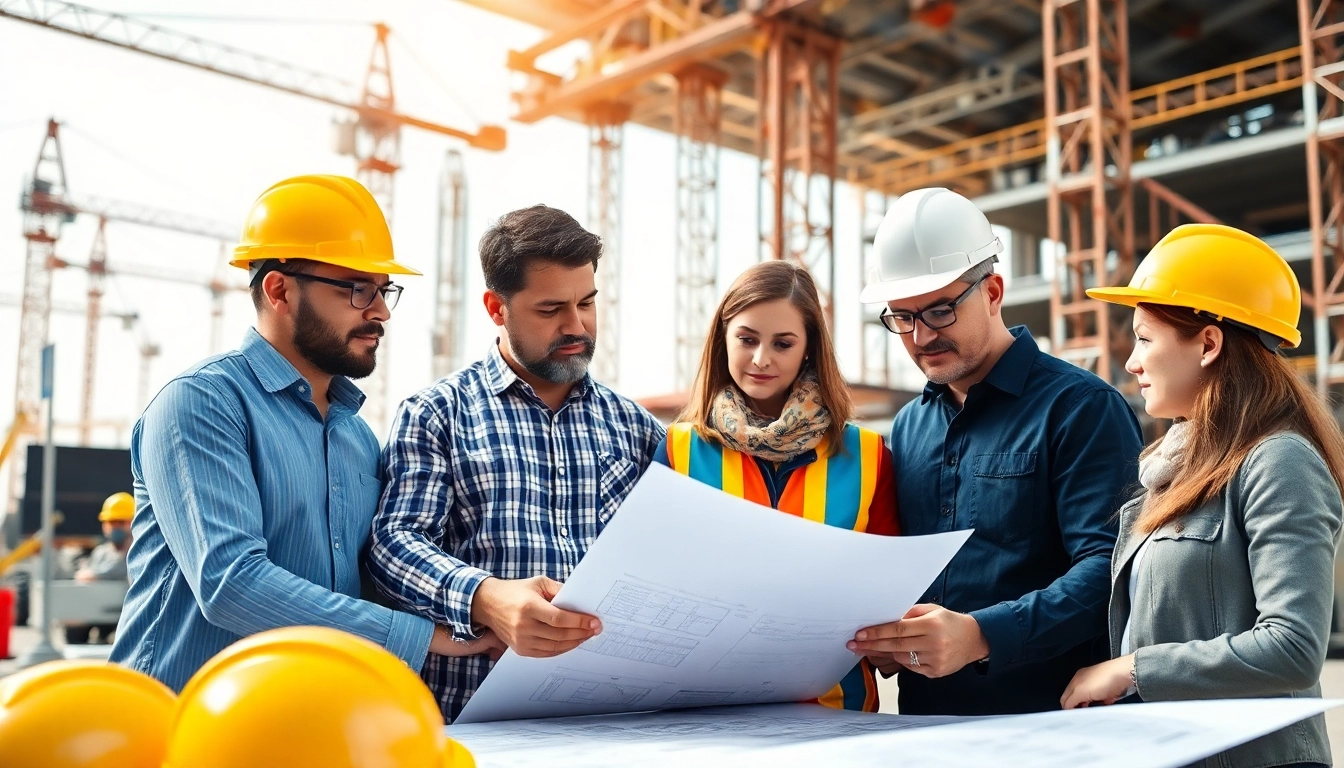
- Collaboration: Engaging all stakeholders early in the design process fosters better communication and minimizes errors.
- Prototyping: Creating physical or digital models to test concepts and designs before full-scale implementation.
- Documentation: Keeping meticulous records of design changes, analyses, and calculations ensures compliance and provides data for future projects.
Challenges in Steel Structure Design
Common Mistakes to Avoid
Even seasoned engineers can encounter challenges during steel structure design. Some common mistakes include:
- Underestimating loads: Failing to account for all potential loads can compromise structural integrity.
- Poor connection design: Neglecting the importance of details in joints can lead to failure in critical areas.
- Ignoring codes: Not adhering to local regulations can result in safety hazards and project delays.
Sustainability Concerns and Solutions
As the industry shifts towards more sustainable practices, steel structure design must address environmental impact. Effective strategies include:
- Using recycled steel: Incorporating reclaimed materials can significantly reduce the carbon footprint of new constructions.
- Energy-efficient designs: Employing design techniques that enhance energy performance, such as proper insulation and efficient layouts.
- Life-cycle assessment (LCA): Assessing the environmental impacts throughout a structure’s life, from production to demolition, can help identify improvement areas.
Addressing Safety and Compliance Issues
Ensuring safety and compliance is paramount in steel structure design. Effective approaches include:
- Regular inspections: Conducting frequent assessments during and after construction to identify potential hazards early.
- Training personnel: Providing ongoing education on safety protocols and compliance with updated regulations for all workers involved.
- Emergency planning: Developing and communicating emergency protocols to handle potential failures or accidents effectively.
Future Trends in Steel Structure Design
Advancements in Steel Materials
The field of steel materials is rapidly evolving, with innovations that enhance performance and sustainability, such as:
- High-strength steels: Development of new alloy compositions that provide superior strength and ductility.
- Smart materials: Incorporating technology that allows materials to adapt to environmental changes or loads dynamically.
- Corrosion-resistant coatings: Enhanced coatings that offer increased protection against the elements, thereby extending service life.
Integration of Technology in Design
Technology continues to revolutionize the design process, with significant developments, including:
- Artificial intelligence: AI tools that analyze data for optimizing designs, improving safety, and predicting maintenance needs.
- Virtual and augmented reality: These technologies are used for visualizing projects, enhancing understanding, and streamlining collaboration among stakeholders.
- Automation: Robotics and automated fabrication techniques can speed up construction while maintaining high standards of quality.
Emerging Architectural Styles
Steel structure design is not immune to the influence of evolving architectural movements. Emerging trends include:
- Sustainable architecture: Designs integrating natural elements and biophilic aspects that connect structures with their environments.
- Parametric design: Utilizing algorithms to create complex forms that push the boundaries of conventional design.
- Adaptive reuse: Transforming existing steel structures for new purposes while respecting historical significance and sustainability goals.