
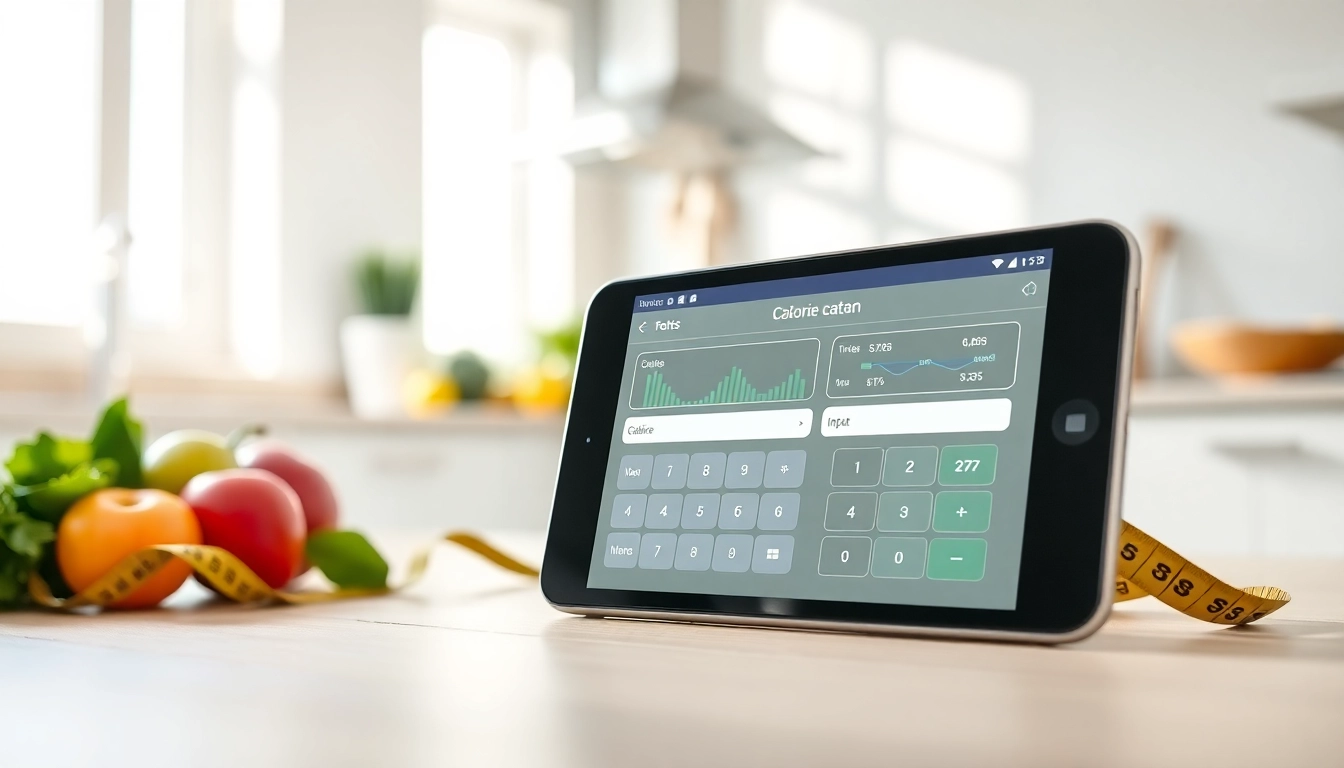
Understanding the Fundamentals of a Calorie Calculator
What is a Calorie Calculator?
A calorie calculator is a useful tool designed to estimate the number of calories your body needs based on a variety of personal factors, such as age, gender, weight, height, and activity level. It provides insights into how many calories you should consume each day to maintain, lose, or gain weight. This calculation encompasses both your Basal Metabolic Rate (BMR)—the number of calories your body uses at rest—and your Total Daily Energy Expenditure (TDEE)—the total number of calories burned through all activities throughout the day.
Why Use a Calorie Calculator?
The primary reason to use a calorie calculator is to gain a clearer understanding of your caloric needs as they relate to your health and fitness goals. Whether you’re aiming to lose weight, maintain your current weight, or build muscle, knowing your caloric intake requirements can guide your dietary choices. Using a calorie calculator simplifies the process of tracking your nutrition, helping you make more informed decisions that align with your personal objectives.
The Science Behind Calorie Needs
Understanding the science behind caloric needs involves delving into concepts like metabolism, energy expenditure, and hormone regulation. Each individual possesses a unique metabolic rate, influenced by factors such as age, sex, body composition, and genetic predisposition. Research has shown that muscle mass tends to burn more calories at rest than fat, making it essential to consider not just caloric intake but also the composition of your body when determining your energy needs. Moreover, hormone levels, particularly those influenced by lifestyle factors such as sleep and stress, can significantly impact your metabolism and overall energy balance.
How to Calculate Your Daily Caloric Needs
Step-by-Step Guide to Using a Calorie Calculator
Calculating your daily caloric needs can be broken down into a straightforward process:
- Gather Personal Information: You will need to know your age, gender, height, weight, and typical activity level.
- Choose the Correct Calculation Method: Most calorie calculators offer various methods for determining BMR, such as the Mifflin-St Jeor Equation or the Harris-Benedict Equation. Be sure to pick one that aligns with current standards for accuracy.
- Calculate Your BMR: Input your information and calculate your BMR, which indicates how many calories your body needs at rest.
- Adjust for Activity Level: Multiply your BMR by an activity factor to estimate your TDEE, which takes into account your daily exercise routines.
- Set Goals: Based on your TDEE, adjust your caloric intake depending on whether you want to lose weight (typically 500-1000 calories below TDEE) or gain weight (typically 250-500 calories above TDEE).
Factors Influencing Your Caloric Intake
Various factors influence your caloric intake, each contributing to your overall energy needs:
- Body Composition: Lean muscle mass requires more energy to maintain than fat tissue, making body composition a crucial factor.
- Age: Metabolism tends to slow as you age, requiring lower caloric intake to maintain weight.
- Gender: Typically, men have higher caloric needs than women due to greater muscle mass and lower fat percentages.
- Activity Level: The more active you are, the more calories you will need to consume to sustain your energy levels.
- Health Conditions: Certain medical conditions may affect metabolism and dietary needs, necessitating adjustments in caloric intake.
Understanding Basal Metabolic Rate (BMR)
Your Basal Metabolic Rate (BMR) is the number of calories your body requires to maintain basic physiological functions while at rest, such as breathing, circulation, and cell production. It is influenced by several factors, including age, sex, body size, and composition. Understanding your BMR is a critical first step in determining how many calories you need to consume daily, as it serves as the foundation upon which daily caloric needs are built.
Weight Management Strategies with a Calorie Calculator
Setting Realistic Weight Goals
Setting realistic weight goals is crucial for successful long-term health and weight management. When using a calorie calculator, define what you want to achieve—whether it’s weight loss, maintenance, or muscle gain. Use the calculated TDEE as a benchmark to create a caloric deficit or surplus accordingly. Rather than aiming for drastic changes, aim to set incremental goals that lead towards your desired weight adjustment. Establishing sustainable habits will ultimately yield better results than quick fixes.
How to Maintain Your Weight with Caloric Data
To maintain your weight, it’s essential to consume calories in line with your calculated TDEE. This involves regular check-ins with your calorie calculator to adjust your intake as needed. Regular monitoring of your weight and body composition will help you understand how your diet and activity level are impacting your caloric balance. If you notice a rise or fall in weight, recompute your caloric needs based on your current body status and adjust accordingly.
Tracking Progress: What Data Should You Monitor?
Monitoring your progress is vital for effective weight management. Here are key data points to track:
- Caloric Intake: Keep a log of your daily calorie consumption to ensure you’re on track with your goals.
- Weight Measurements: Record your weight regularly and analyze trends over time rather than focusing on daily fluctuations.
- Body Measurements: Complement weight tracking with measurements of body parts to understand shifts in body composition.
- Physical Performance: Monitor your physical performance and energy levels to gauge how well your diet supports your activity.
Customizing Your Diet Plan Using a Calorie Calculator
Balancing Macronutrients for Optimal Health
Macronutrients play a critical role in your health and metabolism. Using a calorie calculator enables you to figure out how many carbs, proteins, and fats you should consume based on your goals. Generally, a balanced intake comprises:
- Protein: Essential for muscle repair and growth, particularly important for those looking to build muscle.
- Carbohydrates: Serve as the primary energy source, especially vital for athletes and active individuals.
- Fats: Important for hormone regulation and overall health, so adequate intake is essential for well-being.
Experimenting with different macro ratios can help personalize your diet while keeping caloric intake within your targeted levels.
Incorporating Physical Activity into Your Caloric Strategy
Physical activity is an integral part of managing your caloric balance. For effective weight loss or maintenance, incorporate regular exercise into your routine. The type and intensity of exercise will also impact the number of calories you can consume while still reaching your goals. Strength training, cardiovascular activities, and flexibility exercises all contribute to your overall energy expenditure and should be factored into your daily caloric calculations.
Personalizing Your Caloric Needs
Everyone’s body is different; therefore, personalizing your caloric needs is essential. A calorie calculator can provide a baseline estimate, but make modifications based on your experiences. For example, if you’re feeling fatigued or your performance has declined, you may need to reassess your caloric intake. It’s also important to account for changes in activity levels, such as increased exercise or lifestyle changes that may require shifts in calorie consumption.
Common Mistakes to Avoid with Calorie Calculators
Overlooking Adjustments for Lifestyle Changes
One of the most common mistakes when using a calorie calculator is failing to adjust your caloric needs as your lifestyle changes. Life events, such as new workouts, job changes, or personal hardships, can affect caloric needs. Consistently recalibrating your caloric intake offers a balanced approach to diet and exercise.
Misinterpreting Caloric Data
Many users may misinterpret the data provided by a calorie calculator. Understanding the difference between maintenance calories, surplus, and deficit is vital. It’s easy to become focused solely on numbers without considering the broader context of your lifestyle, hydration levels, and overall nutrient quality. Always apply the data within a holistic approach to health.
Relying Solely on Numbers: Healthy Eating Beyond Calories
While caloric intake is important, relying solely on numbers can be limiting. Nutrition should encompass a variety of foods for balanced health, focusing on whole foods rich in vitamins and minerals. To achieve optimal health, consider not only the calories but also the nutrient density of the foods you consume.