
Understanding the Audio CD: An In-Depth Exploration
The audio cd remains a quintessential medium for music enthusiasts around the world. Despite the advances in digital streaming technologies, the structural integrity, audio quality, and tangible nature of audio CDs maintain their allure. This guide delves into the essential components of audio CDs, their historical evolution, benefits, and practical approaches for their care and purchase.
What is an Audio CD?
Definition and Purpose of an Audio CD
The audio CD, formally known as Compact Disc Digital Audio (CDDA), is a digital optical disc storage format that primarily contains digital audio recordings. This format was developed for the purpose of high-fidelity music playback, allowing listeners to enjoy their favorite tracks with minimal loss in quality and a maximum playing duration typically spanning up to 80 minutes.
How Audio CDs Work and Their Technical Specifications
Audio CDs work using a laser technology capable of reading the disc’s encoded computer data. The disc itself is composed of a polycarbonate substrate, a reflective layer, and a protective lacquer cover. Here are some key technical specifications:
- Storage Capacity: Standard audio CDs hold about 650MB to 700MB of data, which translates to roughly 70 to 80 minutes of high-quality audio.
- Audio Format: Audio data is generally stored in a linear PCM format, with a bit rate of 1,411 kbps, delivering uncompressed audio for optimal listening quality.
- Sampling Rate: The sampling rate for CD audio is set at 44.1 kHz, capturing sound waves effectively for reproduction.
Common Uses for Audio CDs Today
Audio CDs have numerous applications beyond simple music listening. These include:
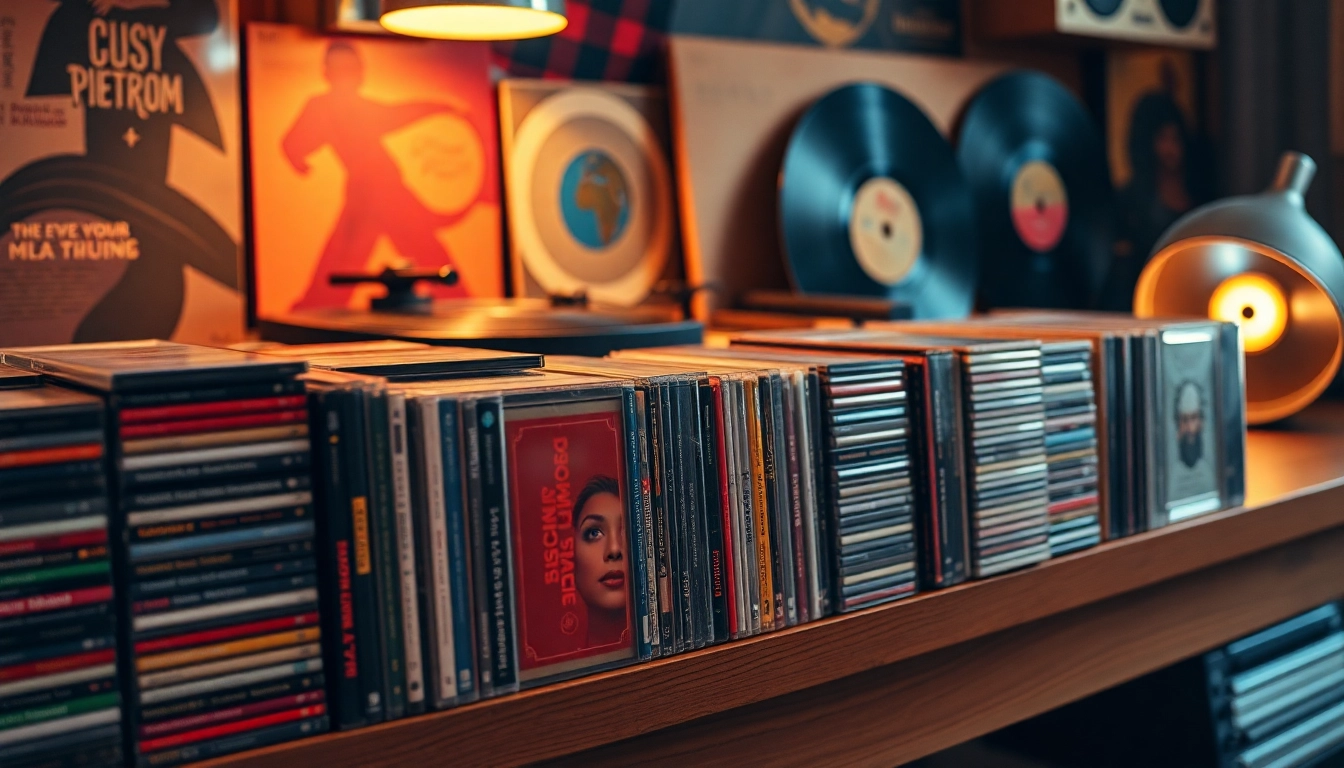
- Music Collections: Many audiophiles and collectors appreciate the tangible nature of a CD collection.
- Recording: Audio CDs are common for distributing music albums and are often used by independent artists and labels.
- Educational Purposes: Educational institutions frequently use audio CDs for language learning courses, audio documentation, and historical recordings.
The Evolution of Audio CDs
A Brief History of Audio CD Technology
The journey of audio CDs began in the late 1970s. The first commercial compact disc was released in 1982, coinciding with the introduction of the first CD player. This technological innovation quickly captured the market, rendering vinyl records and cassette tapes less popular. Over the decades, audio CDs saw enhancements in manufacturing processes, sound quality, and player technology.
Comparing Audio CDs with Other Formats
In comparison to formats such as vinyl, MP3, and streaming services, audio CDs hold distinct advantages and disadvantages:
- Vinyl Records: While vinyl is celebrated for its warm analog sound, audio CDs offer a more convenient and portable option.
- MP3s: Although MP3s provide vast storage and ease of accessibility, they often compromise audio quality due to compression.
- Streaming: Streaming services deliver immediacy and massive libraries; however, they rely on internet connectivity and may encounter issues with audio fidelity.
The Future of Audio CDs in the Digital Age
While the rapid advancements in digital technology and a preference for streaming music seem to overshadow physical formats, the audio CD’s future is not entirely bleak. The resurgence of nostalgia for tangible music formats, along with the passionate advocacy from collectors, may preserve the relevance of audio CDs. Artisanship in music releases, including special edition CDs with unique artwork and packaging, continues to encourage consumer interest.
Benefits of Using Audio CDs
High-Quality Sound Experience
One of the primary advantages of audio CDs is their ability to deliver unmatched sound fidelity. With no compression involved, audio CDs reproduce music as the artists intended, ensuring a superior listening experience.
Durability and Longevity of Audio CDs
When properly cared for, audio CDs exhibit a longer lifespan compared to other music media. Unlike vulnerable technologies such as vinyl, which can be easily scratched, audio CDs are relatively resistant to wear and tear, making them a durable option for music storage.
Collectibility and Artistic Value of Album Artwork
For many music enthusiasts, the album artwork of an audio CD is not merely visual adornment but a vital aspect of the music experience. The physical nature of CDs allows for increased appreciation of design, from cover art to liner notes, which digital formats simply cannot replicate.
Best Practices for Handling and Storing Audio CDs
Tips for Maintaining Audio CD Quality
To ensure the longevity of your audio CD collection, consider these essential tips:
- Avoid exposure to direct sunlight, heat sources, or extreme humidity.
- Store CDs upright in a cool, dry environment to prevent warping.
- Limit handling and always hold CDs by the edges to reduce the possibility of fingerprints and scratches.
Recommended Storage Solutions for Audio CDs
Effective storage is critical for preserving audio CDs. It is advisable to use:
- CD Cases: Use high-quality jewel cases to shield your CDs from environmental factors.
- CD Binders: For ease of access, consider investing in CD binders that protect discs while allowing for organized storage.
- Racks & Shelves: Install dedicated racks or shelves specifically designed for CDs; this will minimize clutter and preserve order.
How to Safely Clean and Preserve Audio CDs
To safely clean audio CDs, follow these guidelines:
- Use a soft, lint-free cloth, wiping from the center of the disc outward.
- For stains, consider using a small amount of isopropyl alcohol diluted with water.
- Avoid harsh chemicals or abrasive materials that could damage the disc’s surface.
Where to Buy and Access Audio CDs
Online Retailers and Physical Stores for Audio CDs
Audio CDs can be easily found in both online and physical retail spaces. Online platforms frequently run promotions, allowing consumers to purchase popular and rare titles. Local music shops and specialized record stores often host CDs from independent artists, providing a unique shopping experience.
Community Resources for Finding Rare Audio CDs
Local community resources, including record fairs and music swap meets, offer opportunities to discover hidden gems. Joining local music clubs or forums can also connect enthusiasts to like-minded individuals and help facilitate CD exchanges.
Alternative Sources: Thrift Stores and Garage Sales
Thrift stores and garage sales often yield delightful surprises for CD collectors. These venues can provide affordable options for both popular and obscure audio CDs, exemplifying the joy of the hunt in acquiring music.