
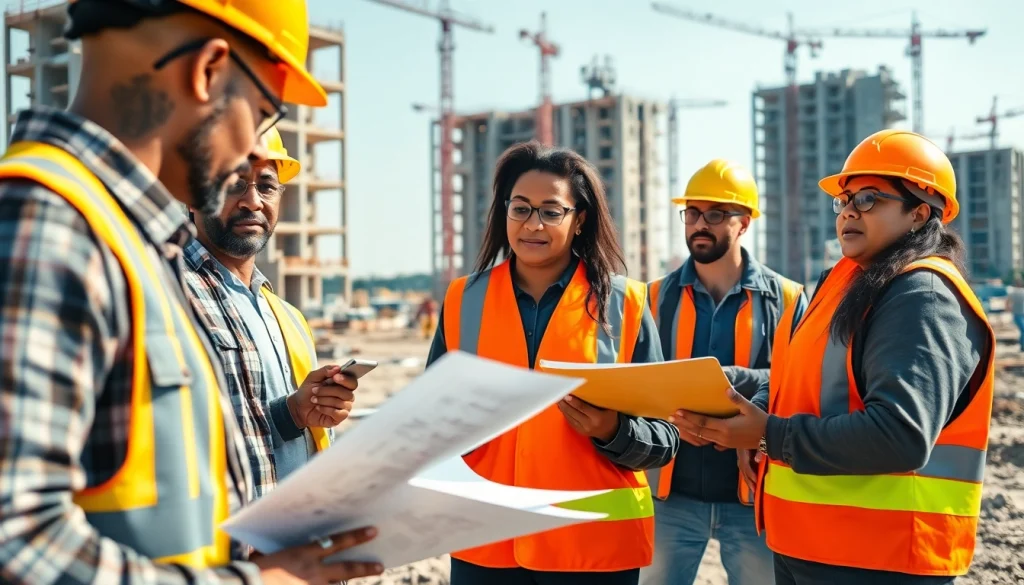
Understanding Construction Workforce Development
Definition and Importance of Workforce Development
Construction workforce development refers to a strategic approach aimed at enhancing the skills and competencies of workers in the construction industry. This initiative is not only essential for the growth and sustainability of the industry but also vital for supporting the economy as a whole. The construction sector often experiences fluctuations in demand, which creates a pressing need for an adaptable and skilled workforce. By investing in workforce development, companies can ensure that they have the right talent to respond effectively to changing project requirements and technological advancements.
The importance of construction workforce development can be observed in various dimensions. For one, it addresses the persistent skills gap that industries face today. According to the U.S. Bureau of Labor Statistics, as the demand for construction continues to expand, only a fraction of the workforce possesses the necessary skills. Training and development programs are essential to equip individuals with the right knowledge, including safety protocols, technical skills like reading blueprints, and the use of modern technologies. Moreover, construction workforce development fosters employee retention by providing career advancement opportunities, which enhance job satisfaction and loyalty.
The Role of Training Programs in Construction
Training programs play a pivotal role in bridging the skills gap within the construction workforce. These programs offer structured learning pathways for workers, enabling them to gain both theoretical knowledge and hands-on experience. Effective training can take various forms, including apprenticeships, workshops, and on-site training. Each method provides a unique set of benefits that cater to different learning preferences—and when properly executed, can significantly improve productivity and safety on construction sites.
Apprenticeship programs, in particular, have gained traction as they blend classroom instruction with on-the-job experience. These programs not only prepare workers for immediate job requirements but also nurture the next generation of skilled tradespeople. Additionally, short-term training sessions addressing specific skills, such as scaffold safety or first aid, can also play a crucial role in cultivating a well-rounded workforce.
Identifying Skills Gaps in the Industry
To effectively address the skills gap in construction, it is crucial to first identify and analyze the specific areas where deficiencies exist. Several studies cite a lack of essential skills such as digital proficiencies, project management capabilities, and advanced technical skills as prominent gaps in the current workforce. Employers must engage in comprehensive assessments that evaluate both the current and anticipated future skill requirements.
Engaging with industry stakeholders—such as trade organizations, educational institutions, and current employees—facilitates a deeper understanding of these gaps. Additionally, leveraging data analytics can reveal trends that predict skill shortages, enabling proactive measures to address workforce needs before they become critical.
Key Components of Successful Workforce Programs
Curriculum Development for Effective Learning
The design of a curriculum tailored to the specific needs of the construction workforce is fundamental in establishing effective training programs. Successful curriculum development incorporates not only the technical aspects of the construction trades but also soft skills training, such as communication and teamwork. To create a robust curriculum, educators and program developers should work closely with industry professionals to ensure relevance and applicability.
Additionally, integrating real-world scenarios and case studies can help learners better understand the complexities of construction projects and equip them with problem-solving skills. This hands-on approach fosters an engaging learning atmosphere that encourages confidence and competence in tackling industry challenges.
Partnerships with Educational Institutions
Collaboration between construction companies and educational institutions can significantly amplify workforce development efforts. These partnerships can take various forms, including internship opportunities, guest lectures, and co-created training programs. Such collaborations ensure that curricula remain aligned with industry needs and help students gain valuable insights into current practices.
Moreover, outreach programs can encourage students from diverse backgrounds to consider careers in construction, helping to diversify the workforce. By supporting initiatives aimed at youth engagement, the construction sector can invest in the future by nurturing a new generation of skilled professionals.
Utilizing Technology in Training
Technology has become an integral part of modern education, and its application in workforce training can create transformative results. Innovations such as virtual reality simulations and augmented reality applications enable trainees to engage in realistic, interactive environments that mirror real-world construction settings. These technologies increase engagement, retention, and understanding drastically compared to traditional training methods.
Utilizing Learning Management Systems (LMS) can also streamline the training process by delivering content efficiently and tracking learners’ progress over time. E-learning modules, mobile applications, and video tutorials all contribute to flexible learning options, allowing workers to train at their own pace while still adhering to safety regulations and industry standards.
Challenges Faced in Workforce Development
Addressing Labor Shortages in Construction
Labor shortages in the construction industry are a critical challenge that workforce development programs must address. The industry is often reliant on skilled labor, and demographic shifts—such as an aging workforce—are contributing to an increasing number of retirements. Finding ways to attract top talent into the industry and retain existing workforce members is critical.
Strategies to mitigate these challenges can include competitive wages, comprehensive benefits, and clear career progression pathways. It is vital for construction companies to demonstrate their commitment to employee development, showing potential candidates that they are investing in their futures.
Overcoming Resistance to Change
Implementing effective workforce development programs often encounters resistance from various stakeholders within the industry. Some may view training initiatives as an unnecessary expense or believe that employees may take their newly acquired skills elsewhere. Overcoming this resistance involves clearly communicating the long-term benefits of workforce development, not just for employees but for the organization as a whole.
Establishing a culture that values continuous improvement and lifelong learning can help alleviate fears and build acceptance of change. Acknowledging the contributions of trainers and participants through recognition programs can further promote enthusiasm for development initiatives.
Ensuring Quality of Training Programs
Ensuring quality in training programs is paramount for successful workforce development. Unfortunately, not all programs deliver the same level of value, and this inconsistency can foster skepticism among trainees. Building and maintaining high-quality training programs requires ongoing evaluation and adaptation to meet industry standards.
Engaging industry experts in designing and assessing the program, obtaining participant feedback, and continuously updating the training content based on technological advancements and market shifts are essential steps to guaranteeing success. Furthermore, accreditation by relevant industry bodies can instill confidence in the value of the training provided.
Measuring the Impact of Development Programs
Key Performance Indicators for Success
Measuring the success of workforce development programs requires establishing clear Key Performance Indicators (KPIs) that align with organizational goals. Commonly used KPIs include trainee retention rates, completion rates of training modules, and the overall effectiveness of training in improving job performance. Additionally, companies should track the rate of promotion among employees who have undergone these training programs, as it reflects the practical impact of the initiatives.
Moreover, employing a mix of qualitative and quantitative measurement methods can provide a holistic view of program effectiveness. Gathering testimonials, success stories, and case studies can further highlight the impact training has on employees and the organization.
Feedback Mechanisms from Participants
Incorporating feedback mechanisms into workforce development programs can provide actionable insights for continuous improvement. Surveys, focus groups, and one-on-one interviews can help understand participants’ experiences and identify areas for enhancement. This feedback loop not only increases participant satisfaction but also ensures that the program remains relevant and aligned with evolving industry needs.
Encouraging a culture of open communication where participants feel valued and heard is essential. Once feedback is gathered, it should be analyzed and responded to in a timely manner to reinforce trust and demonstrate a commitment to quality improvement.
Long-Term Effects on the Industry
The long-term effects of effective workforce development programs extend far beyond individual companies; they positively impact the construction industry as a whole. By consistently investing in workforce development, companies contribute to the creation of a highly skilled construction workforce capable of adopting new technology and methodologies effectively.
Moreover, these programs can also lead to heightened safety standards, improved project quality, and increased innovation within the industry. As a result, customers and stakeholders will benefit from increased efficiency and reduced costs, leading to a stronger and more resilient construction sector.
Future Trends in Construction Workforce Development
Emerging Skills Needed for Modern Construction
The future of construction workforce development is shaped by the continual evolution of technology. Emerging skills such as data analysis, drone operation, and the use of Building Information Modeling (BIM) have become increasingly pertinent. As the industry shifts towards automation and smart building technologies, training programs must adapt and evolve to include these subjects to equip workers for the construction sites of tomorrow.
A strong emphasis on sustainability and green building practices also necessitates training in environmental regulations and eco-friendly construction methods, ensuring that workers are prepared to meet future demands in this area as well.
Innovative Approaches to Training
As the industry embraces a digital-first approach, innovative training methods such as gamification and microlearning are gaining popularity. Gamified training can motivate participants by making the learning experience more engaging and competitive, while microlearning breaks content into bite-sized pieces, allowing for flexibility and easy digestibility of complex information.
Additionally, integrating external consultants specialized in new technological areas can provide fresh insights into training design, ensuring programs remain cutting edge and challenging.
Forecasting Workforce Needs for 2030 and Beyond
Looking ahead, the construction industry must engage in proactive workforce planning to forecast needs for 2030 and beyond. This involves analyzing current workforce demographics, advancing technology trends, and potential regulatory changes to true future labor markets. By anticipating shifts in demand, firms can tailor their workforce development programs, ensuring that they align with the construction sector’s evolving needs.
Collaboration with government agencies, industry partners, and educational institutions will be integral to shaping curricula and training programs that produce a well-equipped workforce for years to come. Ultimately, the goal of workforce development is not only to prepare individuals for immediate employment but to foster a sustainable, innovative, and adaptable construction industry ready to face future challenges.