Understanding Platinum: Properties and Characteristics
Platinum, a precious metal known for its remarkable qualities, has become increasingly popular in various industries, from jewelry to technology and investment. Its unique properties have made it an invaluable resource. This article will explore the significance of platinum, delving into its characteristics, market trends, and applications, while providing insights that can help readers appreciate and understand platinum more deeply.
Chemical Composition and Classification
Platinum is a chemical element with the symbol Pt and atomic number 78. Belonging to the transition metals group, it is part of the platinum group metals (PGMs), which also includes rhodium, palladium, ruthenium, iridium, and osmium. Its classification as a noble metal means that it is resistant to corrosion and oxidation, making platinum a desirable option for many industrial applications.
Physical Properties of Platinum
Platinum is characterized by its dense, malleable, and ductile nature. It has a high melting point of about 1,768 degrees Celsius (3,214 degrees Fahrenheit) and is known for its weighty feel and bright, silvery-white appearance. These properties not only contribute to its aesthetic appeal in jewelry design but also enhance its utility in various industrial processes.
Platinum vs Other Precious Metals
While platinum, gold, and silver are all classified as precious metals, they differ significantly in certain aspects. Platinum is denser than gold and silver, making it more durable and resistant to wear. Additionally, platinum’s rarity contributes to its higher market price compared to gold and silver. Each of these metals serves different roles across industries, with platinum particularly excelling in applications requiring high corrosion resistance and durability.
Market Trends: Current Platinum Pricing and Fluctuations
The price of platinum can be volatile, influenced by various global economic factors such as supply and demand dynamics, geopolitical events, and industrial applications. Understanding current market trends and historical pricing can aid potential investors and collectors in making informed decisions.
Historical Price Trends of Platinum
Historically, platinum prices have fluctuated significantly, influenced by factors like mining output and global economic conditions. Over the years, the price of platinum has ranged from below $800 to above $2000 per ounce, reflecting its unpredictable market behavior. Understanding these trends can provide insights into potential future movements.
Factors Influencing Platinum Prices
Several factors impact platinum prices, including mining production levels, industrial demand, and changes in investor sentiment. Additionally, shifts in global automotive production and technological advancements can significantly influence demand for platinum, particularly due to its use in catalytic converters and electronics.
Comparison with Gold and Silver Prices
Compared to gold and silver, platinum prices can exhibit volatility due to its unique demand patterns. Gold is often viewed as a safe-haven investment during economic downturns, while silver tends to have more industrial applications. The interplay between supply constraints and demand dynamics sets platinum apart, making it a distinctive investment choice.
Platinum in Jewelry: Craftsmanship and Popularity
Platinum’s enduring appeal in jewelry stems from its luxurious appearance and exceptional durability. Due to its hypoallergenic properties, platinum jewelry is a suitable choice for individuals with metal sensitivities.
Why Choose Platinum for Jewelry?
The choice of platinum for jewelry is driven by its unparalleled durability and resistance to tarnishing. Unlike silver and gold alloys that can wear over time, platinum maintains its luster and strength, making it an ideal metal for wedding bands and engagement rings. Additionally, its unique silvery-white tone complements various gemstones beautifully.
Design Trends in Platinum Jewelry
In recent years, design trends in platinum jewelry have leaned towards contemporary and minimalist aesthetics. The metal’s ability to hold intricate details allows artisans to create stunning, modern pieces that appeal to both traditional and contemporary consumers. Custom designs are also gaining popularity as more couples seek personalized jewelry.
Caring for Platinum Jewelry
Caring for platinum jewelry is relatively straightforward. Regular cleaning with mild soap and water can keep the jewelry looking pristine. Due to its density, it is less prone to scratches than gold or silver, but gentle handling is still recommended to ensure its continued beauty. Professional cleaning and polishing can further restore any lost shine.
Investment Opportunities in Platinum
As an investment, platinum offers unique opportunities and challenges. Understanding the various investment options and potential risks can aid investors looking to diversify their portfolios with this precious metal.
Investment Options: Bars, Coins, and ETFs
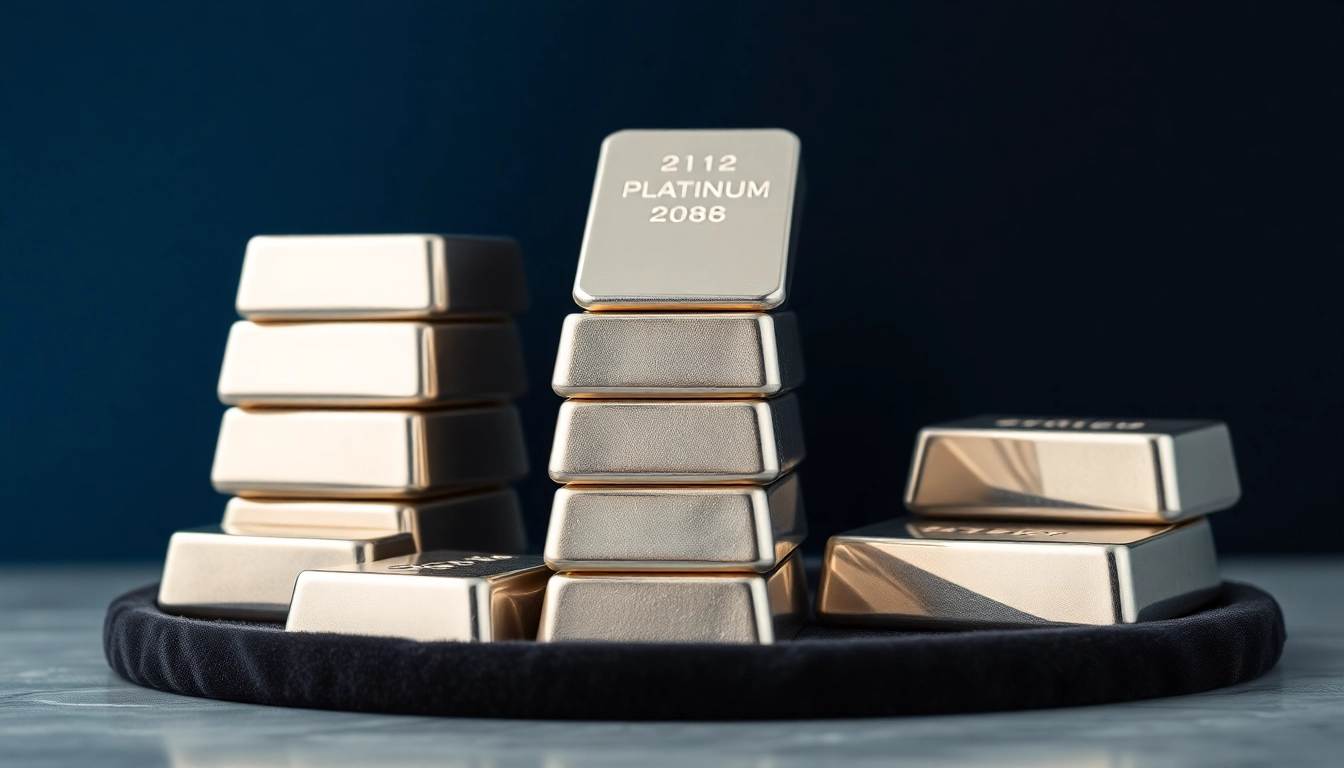
Investors can choose from multiple avenues for investing in platinum, including physical bullion in the form of bars and coins, or through exchange-traded funds (ETFs) that track platinum prices. Each option has its own advantages and disadvantages, so it is essential to weigh these carefully based on personal investment goals.
Risks Involved in Platinum Investment
Investing in platinum carries risks such as price volatility and changes in demand. Market fluctuations can impact prices significantly, making it vital for investors to stay informed. Additionally, the global economic climate can heavily influence platinum’s performance, particularly given its ties to industrial use.
Long-Term Benefits of Investing in Platinum
Despite the risks, investing in platinum can provide significant long-term benefits, such as portfolio diversification and the potential for substantial returns during certain market conditions. As industries continue to evolve and demand remains steady, platinum can be a valuable asset in an investor’s portfolio.
Innovative Uses of Platinum in Industry
Beyond jewelry and investment, platinum has expanded its role in various industrial applications due to its unique properties. This section delves into some of the most innovative uses of platinum in modern industries.
Platinum in Automotive Catalysts
Platinum is a critical component in catalytic converters, which are essential for reducing harmful emissions in automotive vehicles. Its efficiency in converting toxic gases into less harmful emissions makes platinum invaluable in the automotive industry. As emission regulations tighten globally, the demand for platinum in this application is expected to increase.
Role of Platinum in Electronics Manufacturing
In electronics manufacturing, platinum serves as a key material in the production of various electronic components, including hard drives and circuit boards. Its excellent electrical conductivity and resistance to oxidation contribute to the reliability and longevity of electronic devices.
Emerging Applications in Renewable Energy
As the world shifts towards renewable energy sources, platinum’s role in hydrogen fuel cells is gaining attention. Platinum-based catalysts are essential for efficient hydrogen production and utilization, positioning platinum as a critical element in the transition to sustainable energy solutions.
Frequently Asked Questions about Platinum
What is the current price of platinum?
The price of platinum fluctuates based on market demand and supply. It is advisable to check reliable financial news sources for real-time updates on pricing.
How does platinum compare to gold as an investment?
Platinum is often more volatile than gold but can provide significant returns based on industrial demand. Gold is usually considered a safe-haven investment.
Can platinum be scratched?
Platinum is more resistant to scratches compared to gold and silver due to its density. However, it can still get scratched over time with regular wear.
Is platinum jewelry hypoallergenic?
Yes, platinum is hypoallergenic, making it a suitable choice for individuals with metal allergies, ensuring comfort when worn.
What is the best way to clean platinum jewelry?
Cleaning platinum jewelry is best done with mild soapy water and a soft cloth. For more thorough cleaning, professional services are recommended.