
Understanding North American Rail Services
North American rail services play a crucial role in the continent’s logistics and transportation infrastructure, supporting both economic growth and efficient cargo movement. These rail networks represent the backbone of freight transport across the United States, Canada, and Mexico. With an extensive history and ongoing innovation, North American rail services have evolved to meet modern demands while continuing to provide vital connections for communities and industries alike.
Overview of Rail Transportation
Rail transportation is one of the most efficient means of transporting goods across long distances. It offers a safe and reliable method for moving bulk commodities, finished products, and raw materials. Railways can transport vast amounts of cargo with minimal road congestion impact, making it a preferred choice for shippers needing to deliver goods nationwide.
Types of Rail Services
There are several types of rail services in North America, each serving distinct purposes:
- Freight Rail Services: The primary function of rail services, freight transportation handles a wide range of goods, from agricultural products to automobiles.
- Passenger Rail Services: Comprising intercity and commuter rail systems, these services offer an alternative to road and air travel for passengers, promoting direct connections between major urban centers.
- High-Speed Rail: Although still developing in North America, high-speed rail services aim to enhance connectivity and reduce travel times between cities.
Key Benefits of Rail Transportation
The advantages of utilizing rail transportation encompass various economic and environmental considerations:
- Efficiency: Trains can move large quantities of freight with less fuel and labor than trucks, making rail a more efficient option.
- Cost-Effectiveness: Generally, rail transportation is less costly for bulk goods over long distances compared to other modes.
- Environmental Benefits: Rail is often more environmentally friendly, producing fewer greenhouse gas emissions compared to road transport.
- Safety: Rail transport has a lower accident rate than roadway transport, reducing risks associated with cargo movement.
Infrastructure and Technology in Rail Services
Significant Rail Infrastructure Developments
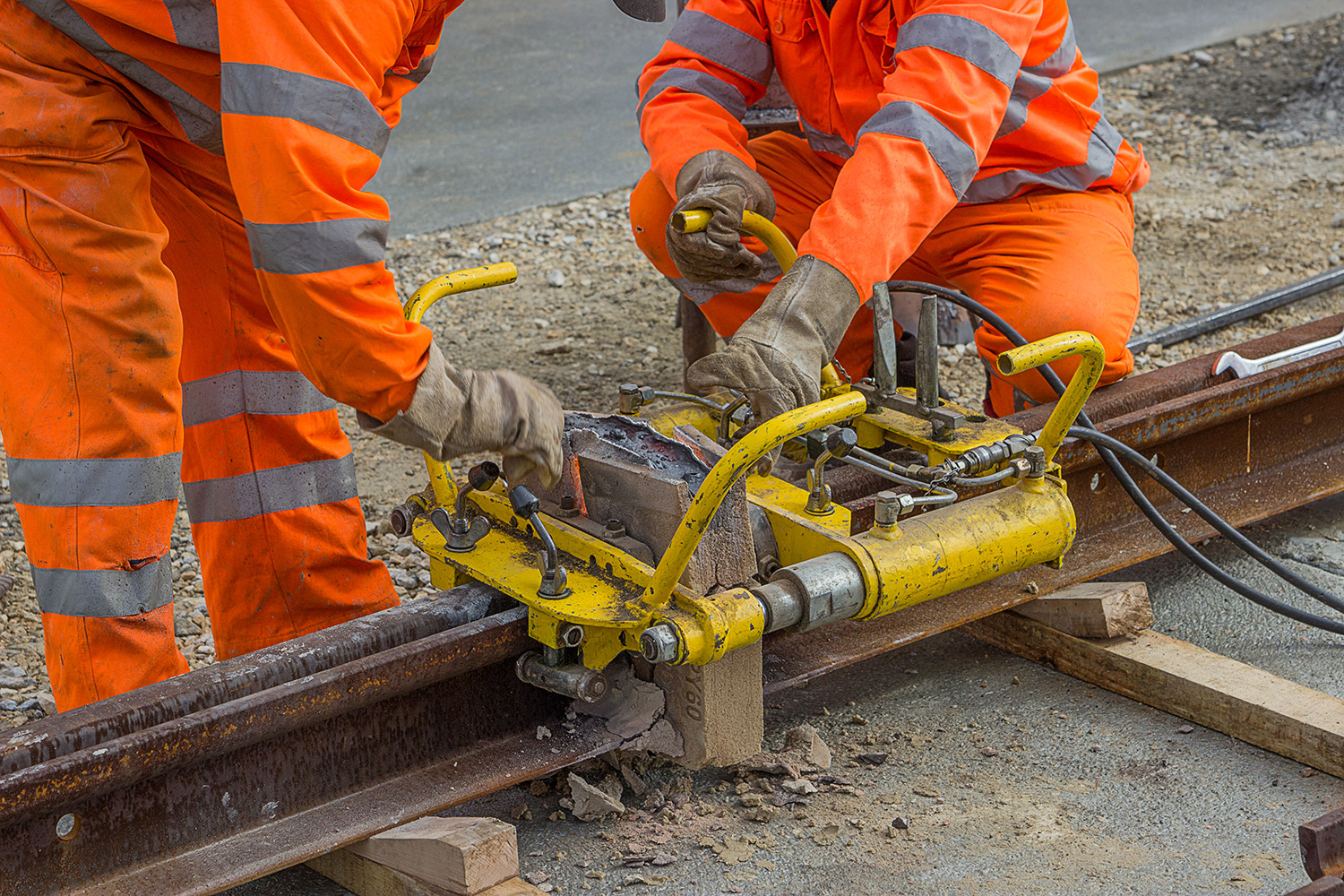
The North American rail industry has undergone substantial infrastructure enhancements, including modernizing tracks, stations, and signal systems. This upgrade is essential for accommodating larger freight volumes and faster passenger services. Investments in infrastructure also focus on improving safety and efficiency, ensuring that rail can handle future transportation demands. Projects include the construction of dedicated freight corridors, which segregate freight and passenger services to minimize conflicts and optimize schedules.
Impact of Technology on Efficiency
Technological innovations significantly boost the efficiency of rail services. Implementations such as Positive Train Control (PTC) enhance safety by automatically slowing down or stopping trains to prevent accidents. Moreover, real-time tracking systems enable better logistics management by providing precise shipment locations, which aids shippers and receivers in planning. Further developments in automation and predictive maintenance practices streamline operations, resulting in reduced delays and enhanced reliability.
Sustainability Initiatives in Rail Sector
Sustainability is becoming increasingly important in rail services, as the industry aims to reduce its carbon footprint. Initiatives include transitioning to electric and alternative fuel locomotives, which can markedly decrease dependency on fossil fuels. Investment in infrastructure that allows for higher load capacities and more energy-efficient technologies is also a critical focus, fostering a long-term commitment to sustainable operations.
Economic Impact of North American Rail Services
Contribution to Economic Growth
North American rail services exert a considerable influence on the economy, facilitating the movement of goods that fuels economic growth. By linking suppliers and consumers through an efficient transportation network, rail services contribute to lower business costs and improve supply chain reliability. This connectivity enhances overall economic productivity, enabling industries to thrive and fostering regional development.
Job Creation in the Rail Industry
The rail industry is a significant job creator, providing direct employment opportunities in several sectors. These include roles in engineering, operations, and maintenance, as well as supporting services such as logistics and customer service. The expansion of rail services, prompted by infrastructure investments, further stimulates job creation within the supply chain, benefiting workers across the continent.
Supporting Local Economies
Rail services support local economies by connecting businesses to larger markets. By facilitating efficient freight transportation, railroads boost trade opportunities for local producers and manufacturers. Moreover, enhanced accessibility to urban centers for commuters promotes economic activity within communities, fostering a cycle of growth that benefits residents and local businesses alike.
Challenges Facing North American Rail Services
Infrastructure Maintenance Issues
Despite its advantages, the North American rail network faces significant challenges related to infrastructure maintenance. Aging facilities and equipment require ongoing investments to ensure safety and reliability. Addressing these issues is critical, as insufficient maintenance can lead to service disruptions and increased operational costs.
Competition with Other Transport Modes
Competition from truck and air transportation poses challenges for rail services, particularly for shorter hauls where trucks can offer more flexibility. To compete effectively, railroads must continually improve service speed, reliability, and customer service. Strategic alliances and partnerships with trucking companies sometimes address this challenge by providing comprehensive door-to-door service.
Environmental Regulations and Compliance
As environmental concerns intensify, regulations governing emissions and safety become more stringent. The rail industry must adapt to these evolving requirements while finding ways to remain economically viable. Compliance with new regulations often necessitates investment in cleaner technologies and practices, which can strain budgets but is crucial for sustainability and public support.
The Future of North American Rail Services
Emerging Trends and Innovations
The future of North American rail services is poised for transformation powered by emerging trends and innovations. Developments in automation, data analytics, and artificial intelligence are anticipated to enhance rail operations, streamline predictive maintenance, and improve customer experience. These innovations will likely optimize routes and improve overall service quality.
Investment Opportunities in Rail
Within the rail sector, numerous investment opportunities exist. Public-private partnerships can facilitate funding for infrastructure projects, enhancing the network. Additionally, investing in green technology and energy-efficient rail systems presents viable long-term economic and environmental benefits. Stakeholders are encouraged to look for synergies across industries to maximize capital efficiency.
Future-Proofing Rail Networks
Future-proofing rail networks involves proactive planning to accommodate changing transportation needs. This can include incorporating adaptable infrastructure capable of supporting both passenger and freight services, as well as enhancing connectivity with other forms of transport. Flexibility in response to market dynamics will be critical for the continued relevance and success of rail in North America.
FAQs about North American Rail Services
What commodities are typically transported by rail?
Rail services transport a variety of goods, including agriculture products, coal, automobiles, and consumer products, making it vital for bulk logistics.
How does rail transportation compare to trucking?
Rail is generally more cost-effective for transporting bulk goods over long distances, while trucking offers more flexibility for shorter hauls and door-to-door service.
What are the environmental benefits of rail transport?
Rail transport typically emits less greenhouse gas per ton-mile than trucking, making it a more sustainable option for long-distance freight transportation.
How does technology improve rail services?
Technological advancements enhance efficiency through systems like Positive Train Control, real-time tracking, and automation, improving safety and reducing costs.
What challenges do rail services face today?
Challenges include aging infrastructure, competition from other transport modes, and the need to comply with increasingly stringent environmental regulations.