
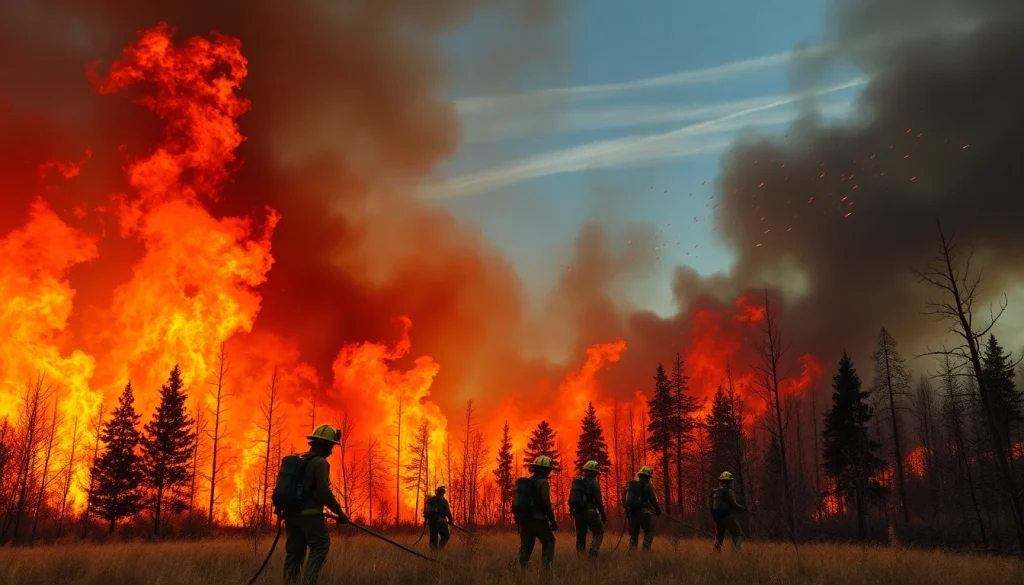
Introduction to Wildfire Events
Wildfire events are increasingly prominent in discussions about climate change and ecological health. These uncontrolled fires ignite on undeveloped land, endangering habitats and human settlements alike. Understanding the dynamics behind wildfire events is essential for communities, environmentalists, and policy-makers. Each flare-up not only alters landscapes but can also catalyze serious ramifications in terms of safety, health, and environmental integrity. Awareness and preparedness are crucial to mitigate risks and enhance resilience against future incidents. To explore more about this topic, check out Wildfire events.
Definition of Wildfire Events
A wildfire is defined as any uncontrolled fire that spreads across forested or undeveloped areas. It may occur due to a variety of factors, including natural phenomena like lightning and human activities such as campfires or discarded cigarettes. Wildfire events can vary significantly in scale—from small brushfires to large, destructive blazes that devastate thousands of acres and threaten lives.
Importance of Awareness
Awareness of the causes and effects of wildfire events is vital. An informed public can help prevent wildfires through responsible behaviors—like adhering to fire bans during dry seasons. Communities that educate themselves about wildfire risks can develop robust emergency response plans, reducing the potential for catastrophic outcomes.
Common Causes of Wildfire Events
Several factors contribute to the ignition of wildfires. The most common causes include:
- Natural Causes: This includes lightning strikes, which can spark a fire in dry areas.
- Human Activity: Campfires, discarded cigarettes, and even agricultural activities can inadvertently start wildfires.
- Climate Conditions: Prolonged dry spells and high winds can create perfect conditions for fires to ignite and spread rapidly.
The Environmental Impact of Wildfire Events
Effects on Wildlife and Ecosystems
Wildfires can lead to devastating impacts on wildlife and entire ecosystems. The immediate effects often result in the destruction of habitats, leading to the displacement or death of numerous species. Over time, however, ecosystems may adapt and recover, sometimes resulting in new growth patterns or an influx of different species. The regenerative cycle can be beneficial for certain flora and fauna that thrive post-fire.
Air Quality and Health Concerns
Air quality can significantly deteriorate during wildfire events, posing considerable health risks, particularly to vulnerable populations. Smoke contains fine particles and toxic compounds that can affect respiratory health. Long-term exposure to wildfire smoke has been linked to increased incidences of respiratory diseases, heart conditions, and even mental health challenges due to stress and trauma.
Soil Erosion and Water Quality
After wildfires strike, soil can become highly susceptible to erosion. The loss of vegetation cover exposes the soil, making it more likely to wash away during rain events. This erosion can lead to sedimentation in rivers and streams, severely degrading water quality. Furthermore, the chemical runoff from burned materials can contaminate water sources, posing a broader ecological threat.
Wildfire Events and Climate Change
The Role of Global Warming
Climate change plays a critical role in the frequency and severity of wildfire events. Rising temperatures, prolonged droughts, and shifting weather patterns create conditions conducive to wildfires. As climate change continues to escalate, regions once considered safe from wildfires are now at risk, highlighting the urgent need for action on multiple fronts, including sustainability and fire management.
Trends in Wildfire Events Frequency
Statistical analyses reveal an alarming increase in wildfire events over the past few decades. Patterns indicate that wildfires occur more frequently, last longer, and often burn more area than in previous years. These trends call for urgent research to better understand how shifting climatic conditions continue to influence wildfire dynamics across different ecosystems.
Comparative Analysis of Regions Affected
Wildfire frequency varies significantly across regions, driven by local climate conditions, plant types, and human activities. For instance, areas like California and Australia indicate a high incidence of wildfires, often attributed to dry climates and rural development near wilderness areas. Conversely, regions with ample rainfall and vegetation cover may see fewer wildfires, though changing climate patterns are increasingly blurring these distinctions.
Preventing Wildfire Events
Fire Management Strategies
Effective fire management is key to preventing catastrophic wildfire events. This includes controlled burns—strategically igniting fires to remove excess fuel—and regular clearing of underbrush around urban interfaces. Implementing firebreaks, which are clear areas devoid of combustible materials, can also help slow or stop the spread of wildfires.
Community Preparedness Steps
Communities can take practical steps to prepare for potential wildfire threats. These can include creating defensible spaces around homes and neighborhoods, establishing clear evacuation routes, and conducting regular drills. Educating residents on how to respond in a wildfire emergency can foster a more resilient community.
Technological Innovations in Prevention
New technologies are emerging to bolster wildfire prevention efforts. Drones equipped with infrared sensors can survey areas for hotspots, while AI can help predict fire behavior more accurately. Additionally, satellite technology aids in monitoring large areas for fire activity, ensuring rapid response capabilities.
Responding to Wildfire Events
Emergency Response Protocols
Effective emergency response protocols are crucial for minimizing the impact of wildfire events. Rapid mobilization of firefighting resources, coordination with local agencies, and proper deployment of forces are key components. In many cases, pre-established communication networks play a vital role in disseminating crucial information during a fire event.
The Role of Government and Organizations
Governments at national, state, and local levels play significant roles in wildfire management. Funding for fire prevention programs, research on wildfire behaviors, and support for emergency service organizations are essential. Non-governmental organizations often assist by providing education, resources, and community outreach efforts to prepare for and respond to wildfires.
Long-term Recovery and Rehabilitation
Post-wildfire recovery is as important as prevention measures. Long-term rehabilitation efforts focus on restoring the affected landscapes, which may include replanting native vegetation, soil stabilization, and monitoring wildlife populations. Engaging local communities in recovery efforts fosters resilience and helps build a sense of stewardship towards the environment.
Frequently Asked Questions
1. What defines a wildfire event?
A wildfire event is any uncontrolled fire that burns in wildland areas and can be caused by natural or human activities.
2. How can I prevent wildfires?
Prevent wildfires by following local burning regulations, maintaining firebreaks around properties, and practicing responsible outdoor activities.
3. What are some health risks associated with wildfires?
Wildfires can compromise air quality, leading to respiratory issues, heart conditions, and long-term health effects from smoke exposure.
4. How does climate change affect wildfires?
Climate change contributes to higher temperatures, prolonged droughts, and extreme weather, which increases the frequency and intensity of wildfires.
5. What should I include in a community emergency plan?
A community emergency plan should outline evacuation routes, emergency contacts, and strategies for home preparation against wildfires.