
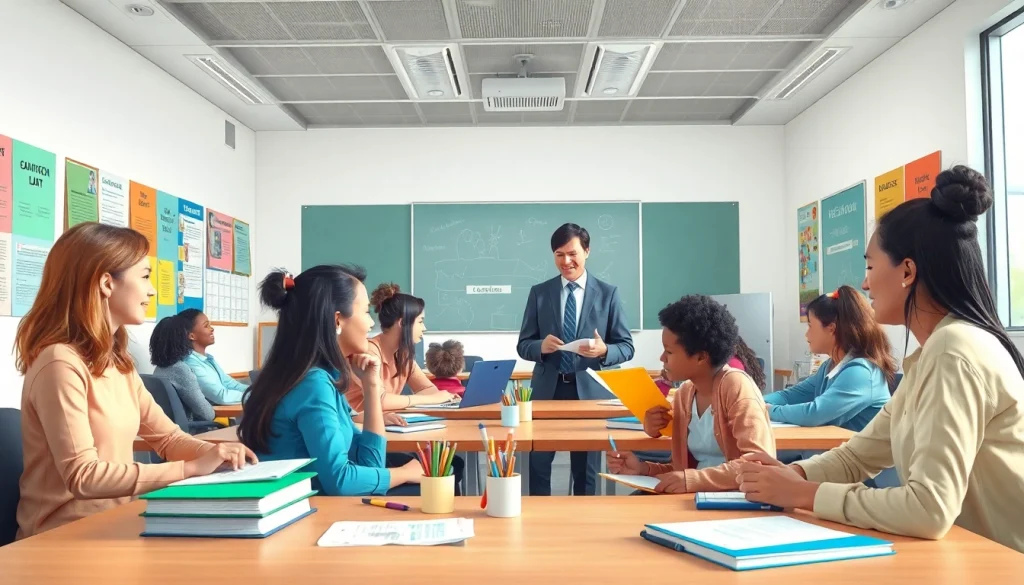
Understanding the Fundamentals of Education
Definition and Importance of Education
Education serves as a vital foundation for personal and societal development. It encompasses the process of acquiring knowledge, skills, values, and attitudes through various means, including formal schooling, informal learning, and self-directed study. The significance of Education extends beyond individual growth, impacting social mobility, economic stability, and the overall health of communities. Through education, individuals gain the tools necessary to navigate the complexities of life, contribute to society, and pursue meaningful careers. It shapes critical thinking, fosters creativity, and instills a sense of responsibility, preparing individuals not only for personal success but also for active citizenship.
Different Types of Education Systems
The landscape of education is diverse and varies widely across regions. Broadly, education can be categorized into formal, non-formal, and informal systems:
- Formal Education: This is structured education typically provided by recognized institutions, which follow a specific curriculum. Examples include primary schools, secondary schools, and universities.
- Non-Formal Education: This type corresponds to organized educational activities outside the formal system. It might include community education programs, vocational training, and adult education initiatives.
- Informal Education: This encompasses the lessons learned outside a traditional classroom environment. It can occur through life experiences, interactions with family and peers, and self-directed learning endeavors.
Understanding these distinctions is crucial, as they highlight the various pathways through which individuals engage with knowledge and skills, ultimately shaping their capacities to contribute to society.
Key Components of Effective Learning
Effective learning is a multifaceted process influenced by several key components:
- Engagement: Learners are more likely to retain information if actively engaged. This can include interactive lessons, group work, and real-world applications of knowledge.
- Diverse Learning Styles: Recognizing that students learn differently is essential. Incorporating a blend of visual, auditory, and kinesthetic approaches can enhance understanding and retention.
- Assessment and Feedback: Regular assessments and constructive feedback help guide learners towards improvement, enabling them to identify their strengths and areas for development.
- Supportive Environment: Creating a classroom atmosphere that fosters support, respect, and collaboration is crucial. This encourages confidence and risk-taking in learning.
These components work together to create a conducive environment for learning, linking knowledge acquisition with practical application and personal growth.
Current Trends in Education
Technology Integration in Education
The integration of technology in education has transformed traditional learning paradigms. Digital tools such as tablets, laptops, and online platforms provide opportunities for enhanced learning experiences:
- Access to Resources: Technology offers vast resources including e-books, lectures, and interactive learning modules that cater to a variety of learning needs. This accessibility can bridge the information gap for underserved populations.
- Collaboration Tools: Platforms such as Google Classroom and Microsoft Teams facilitate collaboration among students and educators, breaking geographical barriers and promoting collective learning.
- Flipped Classrooms: This innovative approach allows students to engage with instructional content at their own pace online, while classroom time is reserved for discussion and application of concepts.
By embracing technology, educators can create more engaging and personalized learning experiences that resonate with today’s digital-native students.
Online Learning and Its Impact on Education
Online learning has emerged as a significant trend in education, especially accelerated by global events such as the pandemic. The shift to virtual education has reshaped how knowledge is disseminated:
- Flexibility and Convenience: Online learning allows students to learn at their own pace and on their own schedule, accommodating diverse lifestyles and responsibilities.
- Broader Access: It opens doors for learners who may not have access to traditional educational institutions due to location, financial constraints, or other barriers.
- Innovative Learning Methods: Online platforms often utilize gamification, quizzes, and multimedia content, making lessons more engaging and interactive compared to conventional methods.
Despite its advantages, online learning also presents challenges, such as the need for self-discipline, potential feelings of isolation, and the digital divide that may impact equitable access.
Personalized Learning Experiences
Personalized learning tailors education to meet individual student needs, preferences, and interests. By utilizing data, educators can develop customized learning pathways:
- Adaptive Learning Technologies: Leveraging algorithms and analytics, these systems adjust the difficulty of tasks based on student performance, fostering a more tailored approach.
- Student-Centric Curriculum: Involving students in the learning process by allowing them to choose projects or topics that interest them can enhance motivation and engagement.
- Data-Driven Decision Making: Educators can use assessment data to inform instructional strategies, ensuring that teaching methods cater to the varying learning styles and paces of students.
Personalized learning not only addresses diverse learning preferences but also promotes a sense of ownership over the educational journey, fostering greater investment in learning outcomes.
Challenges Facing Education Today
Equity and Access to Educational Resources
Despite advancements in education, inequities persist, posing significant challenges. Access to quality educational resources remains uneven, affecting student outcomes:
- Funding Disparities: Schools in affluent neighborhoods often receive more funding than those in low-income areas, leading to differences in resources, facilities, and educational opportunities.
- Resource Allocation: Equitable access to educational technology, experienced teachers, and extracurricular programs can vary widely, further widening the achievement gap.
- Policy Gaps: Policies and initiatives aimed at addressing these disparities may lack consistency or adequate funding, hindering comprehensive solutions.
Addressing these inequities requires systemic changes, ongoing advocacy, and policies that focus on equal access to high-quality education for all students.
Addressing Learning Gaps in Education
Learning gaps refer to the disparities in educational attainment and achievement due to various factors, including socioeconomic status, educational background, and access to resources:
- Targeted Intervention Programs: Implementing programs focused on students at risk of falling behind can provide additional support through tutoring, mentoring, and counseling.
- Data Analysis: Regular assessment data can help identify specific learning gaps, enabling educators to adjust their teaching strategies to meet students’ needs effectively.
- Community Partnerships: Collaborating with businesses and organizations can expand access to educational resources, mentoring, and training opportunities.
By proactively addressing learning gaps, educational institutions can help ensure that all students have the necessary tools and support to succeed.
Impact of Socioeconomic Factors on Education
Socioeconomic status plays a pivotal role in shaping educational experiences and outcomes. Families with higher incomes often have access to more educational resources, impacting student success:
- Parental Engagement: Higher socioeconomic status often correlates with greater parental involvement in education, positively influencing students’ motivation and scholastic achievement.
- Access to Extracurricular Activities: Socioeconomic factors can determine access to extracurricular programs, which are crucial for holistic development, including social skills and educational enrichment.
- Health and Well-Being: Students from lower socioeconomic backgrounds may face additional challenges such as food insecurity, housing instability, and health issues, adversely affecting their ability to learn.
Recognizing these interconnected factors is essential in designing policies and interventions that create sustainable pathways to educational equity and success.
Best Practices for Educators
Creating an Inclusive Classroom Environment
An inclusive classroom environment embraces diversity and fosters a sense of belonging for all students. Key practices include:
- Encouraging Open Dialogue: Creating an atmosphere where students feel safe sharing their identities and experiences enhances mutual respect and understanding.
- Differentiated Instruction: Adapting teaching methods and materials to address the varied needs of learners ensures that each student can engage with the content meaningfully.
- Celebrating Diversity: Incorporating diverse perspectives and materials into lessons not only enriches learning but also validates students’ backgrounds and experiences.
By actively promoting inclusivity, educators can cultivate a positive learning environment conducive to academic and personal growth.
Effective Teaching Strategies
Effective teaching strategies enhance learning outcomes and engage students in the learning process. Some impactful strategies include:
- Interactive Learning: Incorporating activities such as discussions, group projects, and hands-on learning fosters engagement and reinforces understanding.
- Real-Life Applications: Connecting lessons to real-world scenarios helps students understand the relevance of their education, motivating them to learn.
- Feedback Loop: Providing timely, constructive feedback gives students clarity on their performance and fosters growth through continuous improvement.
These strategies not only facilitate knowledge retention but also promote critical thinking and problem-solving skills essential for future success.
Continuous Professional Development for Educators
Education is an ever-evolving field, making continuous professional development essential for educators. Opportunities include:
- Workshops and Seminars: Participating in workshops keeps educators updated on the latest trends and techniques in teaching.
- Peer Collaboration: Sharing experiences and strategies with peers can yield new insights and enhance teaching efficacy.
- Online Courses: Many online platforms offer courses on cutting-edge educational practices, allowing educators to advance their skills at their own pace.
Investing in professional development not only benefits educators but also enhances student learning outcomes through improved teaching practices.
Future of Education and Its Impact
Emerging Technologies in Education
As technology advances, its potential to reshape education continues to grow. Emerging technologies include:
- Artificial Intelligence: AI can personalize learning experiences, automate administrative tasks, and provide adaptive assessments to help tailor education to individual needs.
- Virtual Reality (VR) and Augmented Reality (AR): These technologies create immersive learning experiences, enabling students to explore complex concepts and places in new ways.
- Blockchain Technology: Blockchain can enhance credential verification and streamline educational records, increasing security and access.
The integration of these technologies holds promise for more personalized, engaging, and efficient education systems.
Global Perspectives on Education Reform
Educational reform efforts differ globally, reflecting cultural values, economic contexts, and societal needs. Notable themes include:
- Curriculum Relevance: Many countries are re-evaluating curricula to ensure they reflect global competencies, such as critical thinking, communication, and collaboration.
- Teacher Training: Upskilling teachers to effectively integrate technology and innovative practices is a common focus, recognizing their role as essential change agents.
- Community Involvement: Engaging parents and community members in educational initiatives fosters support systems that enhance student learning.
Understanding different perspectives on education reform can foster collaboration and knowledge sharing among countries, paving the way for innovative solutions.
Preparing Students for Future Challenges in Education
As the landscape of education evolves, preparing students for uncertainty and change is crucial. Strategies to equip students include:
- Critical Thinking and Problem Solving: Encouraging students to question, analyze, and solve problems prepares them for complex real-world challenges.
- Emphasis on Lifelong Learning: Promoting a mindset of continuous learning instills resilience and adaptability in students, essential for navigating future transitions.
- Global Citizenship Education: Teaching students about global issues fosters empathy and awareness, preparing them to engage in an interconnected world.
By equipping students with these skills and perspectives, educators play a vital role in shaping capable future leaders who can thrive in a rapidly changing society.