Understanding Auto Window Tinting
What is Auto Window Tint?
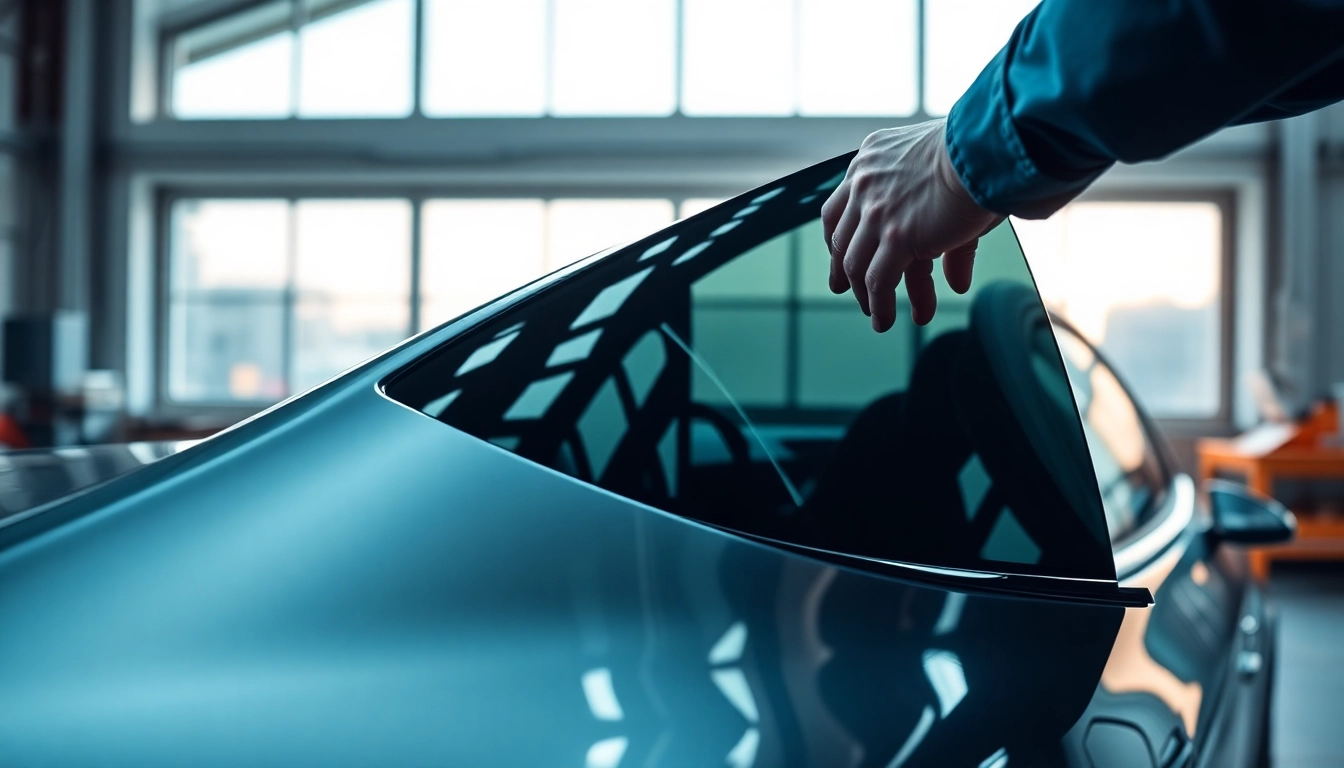
Auto window tint refers to a thin, plastic film applied to the windows of vehicles to reduce glare and enhance privacy. This film can vary in its level of tint, composition, and heat-rejecting properties. While its primary function is to block sunlight from entering the vehicle, it can also improve the aesthetic appeal of the car. Depending on the material and installation, window tints can provide various benefits, including UV protection and temperature regulation.
Benefits of Auto Window Tint
There are several compelling reasons to consider auto window tinting. First and foremost, it significantly reduces the amount of heat entering the vehicle. This can lead to improved comfort for passengers and reduced energy consumption from air conditioning systems.
Moreover, window tinting also provides a layer of UV protection, blocking up to 99% of harmful UV rays, which can cause skin damage and fading of your vehicle’s interior. Additionally, tinted windows enhance privacy, making it more difficult for outsiders to see into your car, which can deter theft. They also offer a safety advantage; in the event of an accident, tinted films can hold shattered glass in place, minimizing injury from flying shards.
Types of Window Tint Available
There are various types of window tints available, each serving different purposes and having different characteristics. The most common types include:
- Dyed Window Film: This type provides a uniform look while reducing glare and heat. It is made by placing a layer of dye between adhesive and protective layers.
- Metalized Window Film: Incorporating tiny metallic particles, this film reflects heat and UV radiation, offering excellent durability and strength.
- Carbon Window Film: A newer technology, carbon tints are known for their excellent heat rejection and coloration properties, providing a matte finish.
- Ceramic Window Film: The top tier of window tints, ceramics do not contain metal or dye. They provide high heat rejection without darkening the windows excessively and are highly durable.
Choosing the Right Tint for Your Vehicle
Factors to Consider
Choosing the right window tint requires careful consideration of several factors. First, it’s essential to think about the climate in your area. For warmer climates, a film with excellent heat rejection properties is crucial. Additionally, consider your privacy needs; darker tints offer more privacy but could limit visibility.
Next, evaluate the aesthetic preferences. The color and style of the tint should harmonize with your vehicle’s overall design. Finally, also look at the warranty and lifespan of the tint. Higher-quality tints come with better warranties that ensure longevity and performance.
Legal Restrictions on Window Tinting
Before applying window tint, it is critical to understand the legal restrictions in your area. Each state has its own laws governing the level of darkness allowable on different windows. Often, front windshields must have a lighter tint compared to rear windows. Failing to comply with these laws can result in fines or mandatory removal of the tint.
Comparing Different Tint Brands
When it comes to selecting a tint, not all brands are created equal. Researching different brands can help you find one that meets your needs in terms of performance and quality. Look for brands that offer a variety of films, good warranties, and positive customer reviews. Additionally, pay attention to the installation process to ensure it is applied correctly for the best results.
Finding Auto Window Tint Near Me
Researching Local Tinting Services
Once you’ve decided on the type of tint you want, the next step is to find local tinting services. Utilize online search engines and keywords like auto window tint near me to generate a list of nearby providers. Additionally, local directories and social media can be valuable resources for finding trusted businesses.
Reading Reviews and Testimonials
Before making your final decision, take the time to read reviews and testimonials from previous customers. These insights can provide an indication of the quality of the service, product, and overall customer satisfaction. Look for comments specific to installation quality, customer service, and the durability of the tint. Third-party review sites can offer more unbiased opinions.
Asking the Right Questions
When interviewing potential tinting providers, asking the right questions can help ensure you make an informed choice. Inquire about their experience, types of tint they offer, warranty policies, and installation techniques. Asking for samples of past work can also help assess quality. Additionally, clarify the timeframe for installation and whether they provide any follow-up services or maintenance support.
Cost of Auto Window Tinting
Factors Affecting Cost
The cost of window tinting can vary widely based on several factors. The type of film you choose, the number of windows being tinted, and the installation method all significantly impact the overall cost. Additionally, geographical location can play a role; urban areas may have higher labor costs compared to rural settings. It’s essential to get a clear breakdown of costs before proceeding.
Budgeting for Quality Installation
When budgeting for window tinting, it is essential to prioritize quality over cost. Cheaper tints may not last as long and could require more frequent replacements. Splurging on quality installation can save you money in the long run, as properly installed tints will perform better and require less maintenance.
Comparing Quotes from Different Providers
Don’t settle for the first quote you receive. Instead, gather multiple estimates from different providers to compare services and prices. Ensure that each quote contains a detailed breakdown of materials, labor, warranty, and any additional fees. This practice helps identify competitors who can deliver quality services at reasonable prices.
Maintenance and Care for Tinted Windows
Cleaning Tips for Tinted Windows
Once you have tinted your windows, proper maintenance helps prolong their lifespan. Use mild, ammonia-free cleaning products and a soft cloth or sponge to prevent scratches. Avoid using abrasive materials that could damage the film. Additionally, wait at least a week after installation before cleaning to allow the adhesive to fully bond with the glass.
How Long Does Window Tint Last?
The lifespan of window tint depends on various factors, including the quality of the film and installation. Typically, high-quality tints can last anywhere from five to ten years, while some premium films may even last longer. Regular care and maintenance can also play a vital role in extending the life of your tint.
Signs Your Tint Needs Replacement
Over time, window tints can show signs of wear and need to be replaced. Common indicators include bubbling, fading, peeling, or discoloration. If you observe any of these issues, assessing the condition of your tint and considering a replacement can restore your vehicle’s appearance and functionality.
Frequently Asked Questions
What is the legal percentage of window tint?
The legal percentage of window tint varies by state and type of window. Always check local regulations prior to installation.
Can I install window tint myself?
While DIY kits are available, professional installation is advised for the best results and longevity, as the process is intricate.
How does window tint affect visibility?
Window tint can reduce glare and enhance visibility while driving, particularly in sunny conditions, although darker films may limit visibility at night.
Is window tinting worth the investment?
Yes, window tinting offers numerous benefits, including heat reduction, UV protection, and improved aesthetics, making it a worthwhile investment.
Can tinted windows be legally adjusted?
Yes, modifications may be necessary to comply with local laws, so it’s important to check regulations and adjust your tint accordingly.