
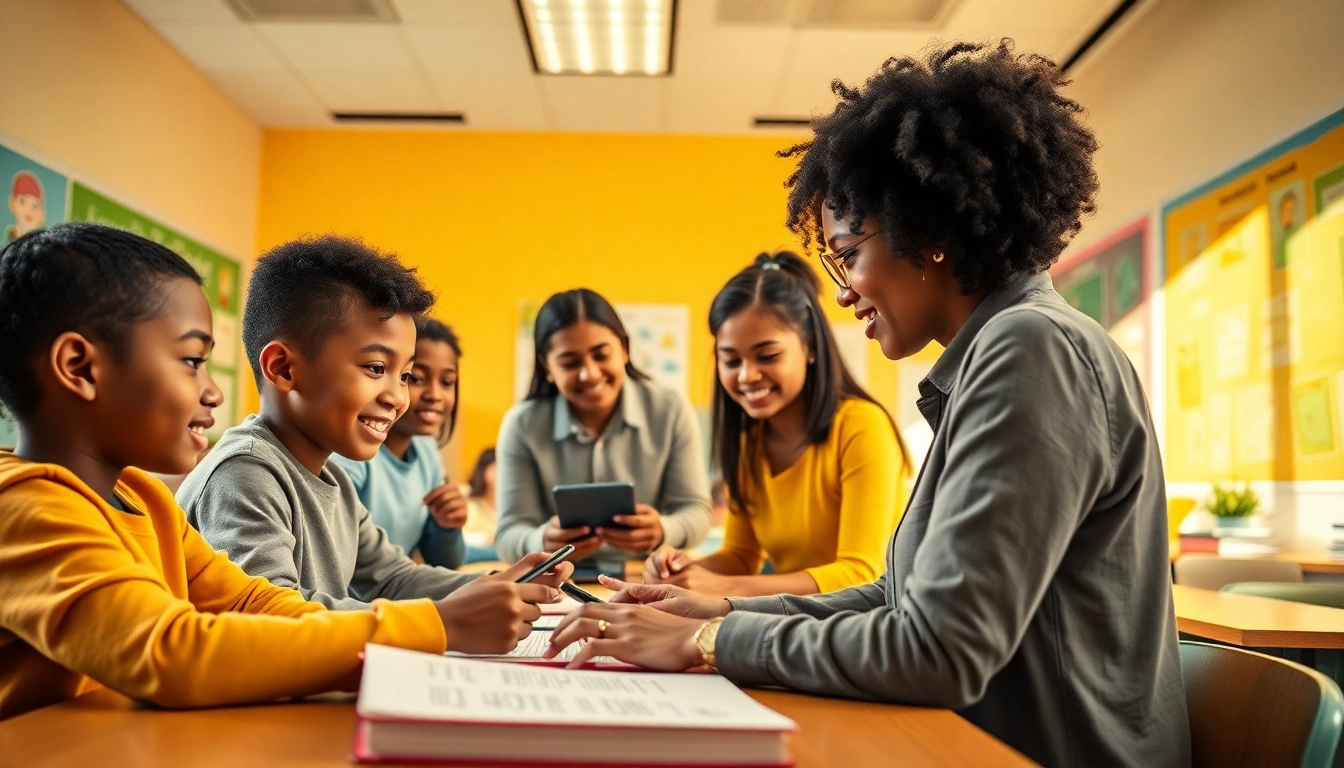
Understanding the Principles of Education Equity
Education equity is a fundamental issue that impacts societies on a global scale. This concept emphasizes the importance of equal access to educational resources, opportunities, and support for all students, regardless of their backgrounds, abilities, or identities. Dr. Matthew Lynch, an advocate for education reform, emphasizes that education is the doorway to freedom, equality, and justice. By fostering an environment in which every student can thrive, it is possible to break the cycles of disadvantage that too often characterize the educational landscape. For comprehensive insights into educational equity, education advocates are crucial in promoting innovative solutions that address systemic challenges.
What is Education Equity?
Education equity refers to the principle of fairness in education, ensuring that personal or social circumstances—like gender, ethnic origin, or family background—are not obstacles to achieving educational potential. It involves creating an environment where every student has the resources and support they need to succeed. This requires understanding diverse needs and providing tailored resources, individualized attention, and adaptive learning environments. The drives for education equity highlight that it’s not merely about providing the same resources; rather, it’s about providing what each student needs to flourish.
The Importance of Equal Opportunities in Learning
Equal opportunities in learning are crucial for the development of a just society. When students from different backgrounds have access to the same quality of resources and support, it reduces the risk of perpetuating social inequalities. Research has shown that equitable education can significantly impact economic growth, social mobility, and overall national development. For instance, countries that prioritize education equity tend to have lower poverty rates and higher levels of civic engagement. Such outcomes underscore the importance of designing educational policies that focus on inclusivity and fairness.
Common Misconceptions About Education Reform
One prevalent misconception about education reform is that it only involves changes in curriculum or testing standards. In reality, education reform is a multifaceted initiative that encompasses policies, practices, and structures aimed at enhancing educational experiences and outcomes. Moreover, reforms should not be viewed as one-time interventions but rather as ongoing processes that require feedback, adaptation, and community involvement. It is vital to engage stakeholders—including educators, parents, and the students themselves—in these discussions to ensure that reforms meet the diverse needs of the student population.
Innovative Approaches to Education Reform
Innovation in education reform is critical to address the dynamic challenges facing modern educational institutions. With the rapid advancements in technology and shifts in societal expectations, educational systems must evolve accordingly. Innovative approaches can range from integrating technology into the classroom, fostering collaborative learning environments, to adopting interdisciplinary curricula that promote critical thinking and creativity. Examples of successful educational initiatives provide a roadmap for implementing these changes effectively in various educational contexts.
Case Studies: Successful Education Reform Examples
Examining successful case studies of education reform can provide valuable lessons and insights into effective practices. For instance, Finland’s education system is frequently cited for its innovative approach, offering a student-centered curriculum and emphasizing teacher autonomy. Schools in Finland focus on holistic development rather than high-stakes testing, which has resulted in improved student outcomes and overall well-being. Similarly, programs like the “Teach For America” initiative aim to address educational inequities by placing strong teachers in under-resourced schools, thereby providing students with mentorship and guidance they might not otherwise receive.
Technology’s Role in Modern Education
Technology is rapidly transforming education, offering new tools and resources that enhance learning experiences. From online learning platforms and virtual classrooms to educational apps and gamified learning experiences, technology provides flexible and accessible options that cater to diverse learning styles. Moreover, incorporating technology facilitates individualized learning paths, allowing students to progress at their own pace. However, equitable access to technology remains a challenge. Bridging the digital divide is essential to ensure that all students can benefit from technological advancements in education.
Collaborative Learning: Enhancing Student Engagement
Collaborative learning strategies foster an environment where students can engage with one another, share diverse perspectives, and work collectively towards common goals. This approach not only enhances student engagement but also builds critical social and communication skills. Group projects, peer review sessions, and cooperative learning activities are effective methods to encourage collaboration. By creating a supportive classroom atmosphere, educators can motivate students to take ownership of their learning while fostering a sense of community and belonging.
Barriers to Effective Education
Despite the commitment to educational equity and innovation, numerous barriers continue to impede effective education for many students. These challenges can arise from systemic inequalities, resource constraints, and social factors that affect learning environments. Identifying and addressing these barriers must be central to any reform efforts aimed at creating equitable educational opportunities for all students.
Identifying Common Challenges in Education
Some common challenges in education include underfunded schools, lack of access to quality teachers, and disparities in educational resources. Students from lower socio-economic backgrounds may experience additional obstacles such as inadequate support systems, high dropout rates, and less encouragement to pursue higher education. Addressing these issues calls for targeted interventions that not only focus on academic support but also on the emotional and social well-being of students.
Strategies to Overcome Obstacles
Overcoming barriers to effective education requires a multi-faceted approach. Schools can implement mentorship programs, provide additional resources such as tutoring, and create community partnerships to foster a supportive learning environment. Professional development for educators is also essential to equip them with the skills necessary to address the varied needs of their students effectively. Additionally, policymakers must advocate for equitable funding and resources to ensure all schools have access to the tools needed for success.
Addressing Systemic Inequalities in Educational Systems
Addressing systemic inequalities requires a comprehensive understanding of the complex factors that contribute to these disparities. This includes examining historical contexts, socio-economic conditions, and cultural biases that influence educational practices and policies. Initiatives aimed at promoting educational equity must be grounded in data-driven research that highlights the specific needs of diverse communities. Engaging in transparent dialogue around these issues and fostering partnerships with local organizations can lead to more effective strategies for implementing meaningful change.
Implementing Change: Best Practices for Educators
To create a transformative educational experience, educators must adopt best practices that prioritize equity, innovation, and effective teaching strategies. This involves designing a curriculum that is inclusive, culturally responsive, and adaptable to the needs of all students.
Effective Teaching Strategies for Diverse Classrooms
Effective teaching strategies should cater to diverse learning styles and promote inclusivity. Differentiated instruction, for example, allows educators to tailor their teaching methods to meet the individual needs of students, providing varying degrees of support and challenge. Additionally, culturally relevant pedagogy encourages educators to incorporate students’ cultural references into the learning process, fostering a more engaging and relatable educational experience.
Measuring Success: Metrics in Educational Reform
Metrics for measuring the success of educational reforms must extend beyond standardized test scores. Effective assessments should consider various indicators, such as student engagement, attendance rates, and social-emotional development. Employing a holistic approach to evaluation allows educators and policymakers to gain a more comprehensive understanding of the impact of reforms on student achievement and well-being.
Building a Supportive Learning Environment
A supportive learning environment is essential for fostering student success. This can be achieved by cultivating positive relationships between teachers and students, creating inclusive classroom cultures, and implementing restorative practices that promote conflict resolution and emotional safety. Schools that prioritize social-emotional learning equip students with the tools necessary to navigate challenges and develop resilience, ultimately enhancing their overall educational experience.
Future Trends in Education for 2026 and Beyond
The future of education is poised for dramatic changes as societal needs evolve and technology continues to advance. Educators, policymakers, and communities must anticipate and adapt to these changes to ensure that all students receive quality education.
Embracing Lifelong Learning in a Rapidly Changing World
As the workforce demands evolve, embracing lifelong learning will be crucial for students of all ages. Educational institutions must prepare students not only for current job markets but also for future careers that may not yet exist. Incorporating skills such as problem-solving, critical thinking, and adaptability into curricula will help students thrive in a constantly changing landscape.
Equity in Technology: Bridging the Digital Divide
As technology becomes increasingly integrated into education, addressing the digital divide remains essential. Ensuring equitable access to technology and internet connectivity for all students can significantly enhance learning opportunities and outcomes. Programs that provide devices and internet access to underprivileged areas are critical in promoting educational equity in the digital age.
Predictions for the Future of Education Systems Worldwide
Looking ahead, several predictions can be made regarding the future of education systems worldwide. We can expect a continued emphasis on personalized and competency-based learning, where education is tailored to individual student needs and progress is evaluated through mastery of skills rather than seat time. Additionally, the integration of artificial intelligence and machine learning in education will likely enhance the customization of teaching and learning experiences. Overall, staying committed to principles of equity, innovation, and collaboration will be essential in shaping the education of tomorrow.