Understanding Remote Monitoring and Management (RMM)
In today’s tech-driven world, the need for effective IT management has never been higher. Companies leverage various tools to maintain their IT infrastructure’s health, security, and efficiency. Among these essential tools is Remote Monitoring and Management (RMM), a technology that allows IT departments to oversee and manage distributed networks and systems seamlessly—from anywhere in the world. This article will delve into the fundamental aspects of RMM, its benefits, challenges, best practices, and future trends that are transforming the IT landscape.
Defining RMM in IT
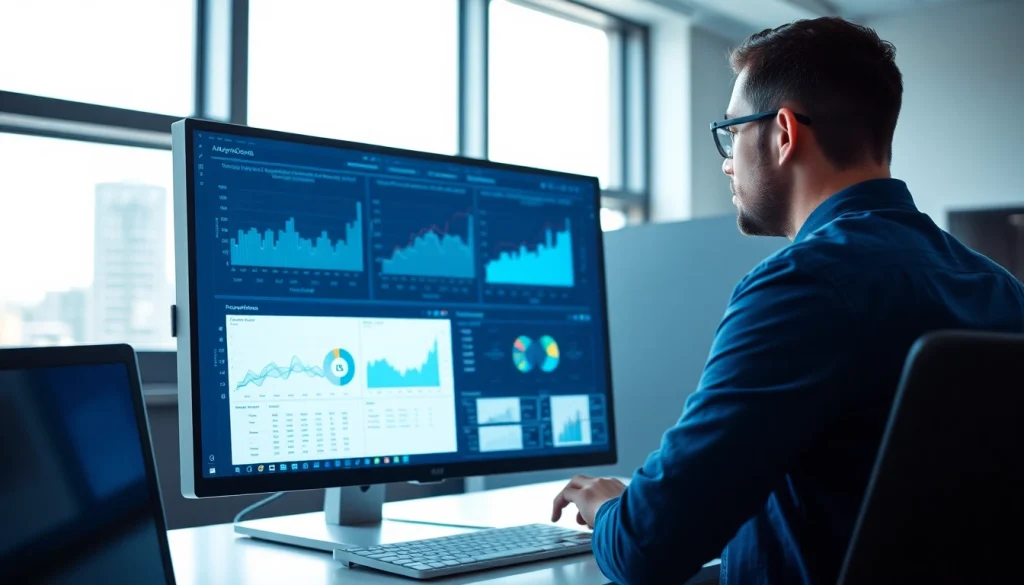
Remote Monitoring and Management (RMM) encompasses a suite of software solutions that enable IT professionals to remotely monitor, manage, and maintain endpoints, networks, and other IT assets. By employing RMM tools, IT service providers gain visibility into their operations, which allows them to respond to issues before they escalate into significant problems.
At its core, RMM facilitates tasks such as software updates, system patches, performance monitoring, and cybersecurity measures—all performed remotely. This is crucial for businesses that require operational continuity amidst varying remote work conditions.
The Importance of Remote Monitoring
The importance of Remote Monitoring and Management cannot be overstated. With an increasing number of organizations embracing digital transformation and remote work, RMM has become vital for ensuring operational efficiency. Through RMM, businesses can:
- Enhance responsiveness: Quickly address issues as they arise, minimizing downtime.
- Improve security: Continuously update systems to guard against the latest threats.
- Streamline operations: Automate routine tasks, freeing up IT staff for more strategic initiatives.
- Increase visibility: Monitor system health and performance in real time.
Core Features of Remote Monitoring and Management (RMM)
RMM solutions come packed with features designed to provide comprehensive IT management capabilities:
- Monitoring and Alerts: Continuous tracking of system performance and alerting IT teams of critical issues.
- Patch Management: Automatically deploying software patches and updates to ensure systems are current and secure.
- Asset Management: Comprehensive inventory of hardware and software to maintain visibility over an organization’s assets.
- Remote Access: Enabling technicians to troubleshoot issues without needing to be physically present.
- Reporting and Analytics: Offering insights into system performance and trends, aiding in decision-making.
Key Benefits of Implementing Remote Monitoring and Management (RMM)
Enhancing Operational Efficiency
Operational efficiency is paramount for businesses aiming to thrive in today’s competitive environment. RMM achieves this by automating routine maintenance tasks. Regular updates, health checks, and monitoring reduce the burden on IT staff. They can focus on critical projects instead of getting bogged down with day-to-day maintenance. Automated systems allow organizations to consistently maintain high performance levels and achieve better resource allocation.
Proactive Issue Resolution
One of the most significant advantages of RMM is its ability to empower IT teams to resolve issues proactively. Traditional IT management often means reacting to problems after they occur. In contrast, RMM employs monitoring tools to detect deviations from normal operation, enabling swift action before these issues affect users or clients.
For example, if a server’s CPU usage spikes unexpectedly, RMM can alert the IT team to investigate immediately, thus preventing potential breakdowns that could lead to costly downtime.
Cost Savings Through RMM
Implementing Remote Monitoring and Management can lead to substantial cost savings. By reducing the time spent on manual monitoring and management, organizations can lower operational costs. Additionally, RMM helps to avoid costly emergencies by catching problems early, which can prevent extensive damage or failure. The ability to manage multiple systems remotely also means less on-site technician time, translating to lower labor costs.
Challenges in Remote Monitoring and Management (RMM)
Common Implementation Hurdles
While the benefits of RMM are considerable, there are several challenges businesses may face when implementing these systems. One major hurdle can be the initial cost of investing in RMM solutions and training staff to use them effectively. Additionally, transitioning from existing processes to incorporate RMM can disrupt normal operations and meet with employee resistance.
To overcome these challenges, organizations should:
- Conduct a thorough analysis of potential costs and benefits.
- Create a clear implementation plan to transition smoothly.
- Provide sufficient training for employees to leverage RMM tools effectively.
Data Security Concerns
As with any technology that involves remote access, RMM solutions can pose data security risks. Organizations must ensure that their RMM tools include robust security protocols to protect sensitive information from breaches. This becomes increasingly essential as cyber threats evolve and become more sophisticated.
To mitigate these risks, businesses should invest in RMM solutions that offer end-to-end encryption, multi-factor authentication, and regular security audits to safeguard data integrity.
Integration with Existing Systems
Integrating RMM tools with legacy systems can pose significant challenges. Often, outdated systems might not be compatible with new RMM solutions, which could lead to operational inefficiencies. Companies should assess their current IT infrastructure to ensure compatibility with planned RMM solutions.
Consulting with RMM vendors about integration capabilities and conducting pilot tests can offer insights into potential issues before implementation.
Best Practices for Remote Monitoring and Management (RMM)
Choosing the Right RMM Tools
Selecting the right RMM tools is crucial for successful implementation. Organizations should consider factors such as scalability, user-friendliness, and integration capabilities with existing systems. Additionally, evaluating the vendor’s experience, support options, and customer reviews can lead to making an informed decision.
It may also be beneficial to request demos to see how these tools can fit into specific operational needs.
Establishing Clear Protocols
Establishing protocols for using RMM tools can help streamline processes and ensure that everyone on the IT team is on the same page. Protocols can include guidelines for responding to alerts, documenting actions taken, and reviewing system performance regularly. By creating a structured approach to using RMM, organizations can maximize the benefits of the technology while minimizing operational confusion.
Continual Training and Support
Ongoing training and support for IT staff are essential for leveraging the full potential of RMM tools. Technology evolves rapidly, and ensuring that staff are up-to-date with the latest functionalities and best practices will enhance overall performance and security. Organizations should invest in regular training sessions, workshops, and resources to foster continuous learning.
Future Trends in Remote Monitoring and Management (RMM)
Automation and AI in RMM
The future of RMM will likely see more integration of automation and artificial intelligence (AI) capabilities. By automating routine tasks and employing AI-driven insights, RMM solutions can provide deeper analytical capabilities that boost efficiency and effectiveness. AI can help anticipate potential problems based on historical data patterns, enabling even faster resolutions.
The Role of IoT in RMM Solutions
As the Internet of Things (IoT) continues to expand, the importance of RMM will only grow. Many organizations are adopting IoT devices to enhance efficiency and gain real-time insights into their operations. RMM tools will need to evolve to accommodate the unique requirements of managing IoT devices effectively, ensuring secure communication and integration within existing IT ecosystems.
Adapting to Emerging Technologies
The technological landscape changes rapidly, and RMM solutions must keep pace to remain relevant. Future RMM systems must be adaptable to integrate with new technologies such as 5G, edge computing, and advanced cybersecurity solutions. Organizations need to remain flexible and willing to update their RMM strategies to capitalize on the benefits that emerging technologies bring.