
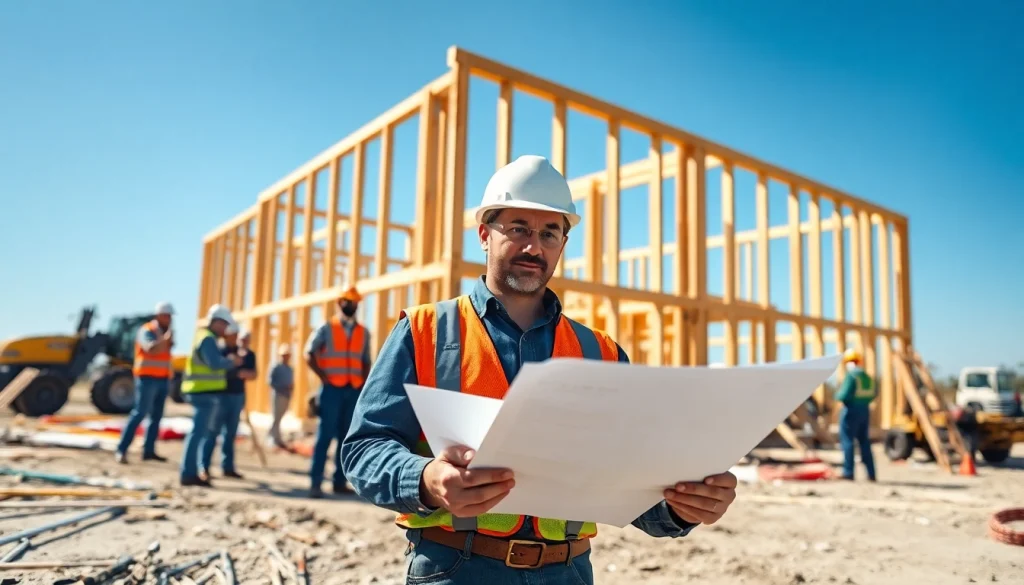
Understanding the Role of a New Jersey General Contractor
When embarking on a construction or renovation project, whether it’s residential or commercial, understanding the role of a general contractor is crucial. They are the orchestrators of the entire construction process, managing various subcontractors and ensuring projects are completed on time and within budget. By working with a New Jersey General Contractor, you can navigate the complexities of construction with greater ease and expertise.
What Does a General Contractor Do?
A general contractor (GC) is primarily responsible for overseeing construction projects from start to finish. They coordinate tasks, manage the workforce, procure materials, and ensure that the project complies with local building codes and regulations. A general contractor acts as the main point of communication for the homeowner and all subcontractors, which can include electricians, plumbers, and framers, among others.
In addition to logistical management, a GC also handles administrative needs, such as permitting and inspection scheduling. Their involvement is critical at every stage, from initial planning and budgeting to final inspections and project completion.
Key Responsibilities and Skills
General contractors possess a range of responsibilities and skills that are essential for successful project completion. Key responsibilities include:
- Project Planning: Developing project timelines and coordinating labor and materials.
- Budget Management: Creating detailed budgets and ensuring expenditures remain within limits.
- Quality Assurance: Overseeing work to meet quality standards and building codes.
- Safety Management: Implementing safety protocols to protect workers on-site.
- Communication: Regularly updating homeowners on progress and addressing any concerns promptly.
Effective GCs also possess strong negotiation skills, problem-solving abilities, and extensive knowledge of construction practices, which enables them to make informed decisions throughout the project lifecycle.
How They Manage Construction Projects
A skilled general contractor uses various project management techniques to ensure efficient workflow and hiring of subcontractors. They often utilize software tools that help track progress, budgets, and deadlines, facilitating smooth communication among all parties involved.
By breaking down the project into manageable phases and assigning specific tasks to the right subcontractors, GCs can keep projects on schedule. They conduct regular site meetings, provide updates, and are proactive in addressing potential issues before they escalate, ensuring the project proceeds as smoothly as possible.
Finding the Right New Jersey General Contractor
Finding the right general contractor for your project can significantly influence the outcome and experience of the construction process. The following sections provide insights on how to identify and select the most suitable contractor.
Top Qualities to Look For
As you search for a New Jersey General Contractor, look for the following key qualities:
- Experience: Look for a GC with a proven track record in your type of project, be it renovations, new builds, or commercial work.
- Reputation: Check for positive reviews and testimonials from past clients to gauge reliability and quality of work.
- Licensing and Insurance: Ensure they hold the necessary licenses and carry liability insurance to protect against accidents.
- Communication Skills: Select a contractor who communicates clearly and promptly, making it easier to convey your vision.
- Problem-Solving Ability: A good contractor confronts challenges adeptly and offers practical solutions without compromising quality.
Where to Search for Contractors
Finding potential contractors can be done through several avenues:
- Online Directories: Websites like Angie’s List, HomeAdvisor, or Houzz can provide lists of contractors with user reviews.
- Word of Mouth: Ask family, friends, or colleagues for recommendations; personal experiences can be revealing.
- Local Trade Associations: Membership in associations often indicates a commitment to professional standards.
- Social Media: LinkedIn and Facebook groups can provide potential leads and community feedback.
Checking Credentials and References
Before making a final decision, it’s crucial to vet your options thoroughly. This includes:
- Checking Licenses: Verify that the contractor holds all required licenses through the New Jersey Division of Consumer Affairs.
- Reviewing Insurance: Ensure they carry both general liability and workers’ compensation insurance to protect you from liabilities.
- Contacting References: Speak to past clients about their experiences, focusing on quality, reliability, and overall satisfaction.
- Viewing Portfolios: Review past work examples that are similar to your project to assess their style and quality.
Cost Factors and Pricing Insights
Understanding the cost structures and influencing factors of a construction project can help you budget effectively and avoid financial surprises. Gaining insight into pricing models is essential for homeowners.
Typical Pricing Models
General contractors in New Jersey may employ various pricing models, including:
- Fixed Price Contracts: A set amount is established before work begins, but adjustments may occur for unforeseen changes.
- Cost Plus Contracts: The contractor is reimbursed for actual costs plus a fee, providing flexibility but less predictability for homeowners.
- Time and Materials: Costs are determined by the time spent and materials used, suitable for smaller or unclear scope projects.
What Influences Contractor Pricing?
Several factors can influence the overall cost of a project:
- Project Scope: The size and complexity of the project are primary cost drivers; larger or more intricate designs often require more resources.
- Material Choices: Premium materials increase overall costs, so establishing a budget aligned with desired quality upfront is essential.
- Location: Pricing may vary based on the local market, availability of labor, and accessibility of the site.
- Time of Year: Seasonal trends can affect labor availability and material costs, especially during peak construction times.
Budgeting Tips for Homeowners
Budgeting is critical to ensuring your project stays on track. Here are tips to manage your budget effectively:
- Define Your Budget: Start with a clear idea of what you are willing to spend, accounting for potential unexpected expenses.
- Get Multiple Estimates: Obtain at least three quotes from different contractors to compare pricing and services offered.
- Prioritize Essentials: Identify must-haves and be willing to compromise on non-essential elements to stay within budget.
- Maintain a Contingency Fund: Set aside around 10-20% of your total budget for unexpected costs that may arise during the project.
Managing Your Project with a General Contractor
Effective project management is vital when working with a general contractor. It ensures all going according to plan and that any issues are handled swiftly.
Effective Communication Strategies
Strong communication is fundamental for a successful partnership with your general contractor. Here are some strategies:
- Regular Updates: Schedule consistent meetings or check-ins to discuss progress, challenges, and feedback.
- Clear Expectations: Define project goals, timelines, and responsibilities at the outset to minimize misunderstandings.
- Open Lines: Encourage an open-door policy for questions and concerns, fostering transparency throughout the project.
Monitoring Progress and Quality
Monitoring is essential to ensure quality work and adherence to timelines:
- Site Visits: Make regular visits to the job site to observe the work and ask questions directly.
- Quality Checks: Establish criteria for work quality and conduct inspections at key project milestones.
- Document Everything: Keep written records of changes, communications, and payments to maintain clarity and accountability.
Handling Changes and Disputes
Managing changes and potential disputes effectively can save time and stress:
- Document Changes: Any alterations to the project scope should be documented and agreed upon to prevent confusion.
- Stay Professional: In the event of a dispute, maintain a calm demeanor and approach the situation professionally to facilitate resolution.
- Seek Mediation: If disagreements arise, consider mediation before escalating issues legally.
FAQs about Hiring a New Jersey General Contractor
What should I ask my contractor during the interview?
Ask about their experience, past projects, licenses, estimated timelines, and how they handle disputes. An open dialogue helps set clear expectations.
How can I ensure quality work from my contractor?
Review their past work, ask for references, set clear quality standards, and maintain regular communication throughout the project.
What are the most common mistakes when hiring?
Common mistakes include not checking references, overlooking contracts, ignoring credentials, and failing to establish clear project goals.
How do I handle disputes with my contractor?
Maintain professionalism, document everything, and address issues promptly. If necessary, consider mediation before taking legal action.
How can I prepare for a contractor’s visit?
Prepare questions, outline your project goals, gather inspiration images, and assess your budget to ensure a productive discussion.