
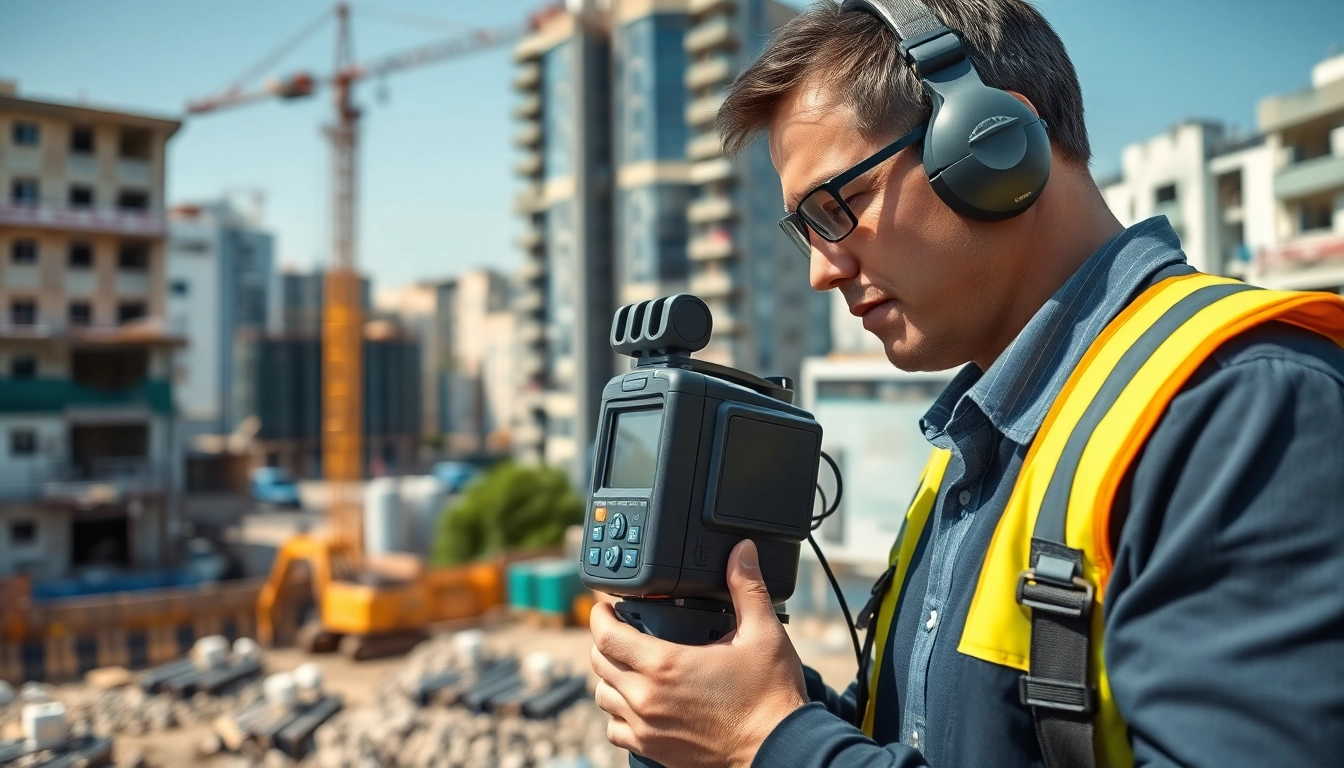
Introduction to Noise Impact Assessment
In an era where urban growth and industrial expansion continuously shape our environments, managing noise pollution has become a critical concern. A noise impact assessment serves as a vital tool to evaluate and mitigate the effects of noise on communities and ecosystems. Understanding this process is essential for developers, city planners, environmentalists, and community advocates, as it ensures that acoustic considerations are integrated into project planning and execution. This article delves deep into the intricacies of noise impact assessments, exploring their definition, significance, methodologies, applications, challenges, and future directions.
Definition and Importance
A noise impact assessment (NIA) is a systematic evaluation of noise levels and their potential effects on individuals, wildlife, and the environment. It involves analyzing current noise conditions, predicting future noise impacts from proposed developments, and suggesting mitigation measures. The importance of an NIA cannot be overstated; it not only safeguards public health and promotes well-being but also aids in compliance with legal requirements and enhances project viability by providing insights that guide design and operational decisions.
Key Components of Noise Impact Assessment
Several components constitute a comprehensive noise impact assessment. These include:
- Noise Sources: Identification of existing and proposed sources of noise, including traffic, construction, industrial activities, and community events.
- Noise Sensitivity: Understanding the noise sensitivity of surrounding areas, such as residential zones, schools, parks, and hospitals, which are affected differently by noise exposure.
- Measurement and Prediction: Use of sound measurement techniques and modeling software to predict potential noise levels post-development.
- Mitigation Strategies: Recommendations for noise reduction measures that could be implemented to minimize adverse impacts.
Legal Framework and Guidelines
Noise impact assessments are often guided by legal frameworks at the federal, state, and local levels. Various agencies provide guidelines that outline standard practices and methodologies for conducting NIAs. Adhering to these regulations is crucial, as it ensures the protection of communities from excessive noise and aligns projects with urban planning policies and noise ordinances.
Methodologies for Noise Impact Assessment
Types of Noise Measurements
Various types of measurements are essential for an accurate noise impact assessment. These include both long-term and short-term noise measurements, typically quantified in decibels (dB). Long-term monitoring provides a comprehensive view of ambient noise conditions over time, while short-term measurements capture specific noise events, allowing for detailed analysis of peak noise levels. Additionally, community feedback is an integral qualitative element, helping to contextualize the quantitative data.
Data Collection Techniques
Data collection methodologies can vary widely based on project requirements and environmental conditions. Common techniques include:
- Sound Level Meters: Portable devices that measure sound levels at specific locations.
- Noise Monitoring Stations: Fixed installations that provide continuous data over time.
- Acoustic Modeling Software: Tools used to simulate noise levels based on known parameters and predict impacts in various scenarios.
Analysis and Interpretation of Results
Once data is collected, it enters the analysis phase, where noise levels are compared against established standards to determine compliance. The interpretation of results often considers the cumulative effects of multiple noise sources and assesses their potential impact on sensitive receivers. Advanced statistical techniques and modeling software can help validate findings and provide a clearer picture of expected outcomes.
Applications of Noise Impact Assessment
Environmental Planning
The application of noise impact assessments extends beyond just compliance; they play a crucial role in broader environmental planning efforts. By evaluating noise impacts, planners can balance developmental activities with the need to protect natural habitats and ecosystems, ensuring sustainable growth.
Urban Development Projects
In urban environments, noise impact assessments are often a prerequisite for large-scale development projects, such as residential buildings, commercial complexes, and transportation infrastructure. These assessments guide the integration of sound barriers, building design modifications, and site planning to alleviate potential noise issues.
Community Stakeholder Engagement
Noise impact assessments serve as a communication tool, facilitating dialogue between developers, local governments, and community members. Engaging stakeholders in the assessment process can provide valuable insights that guide decision-making and enhance project acceptance within the community.
Challenges in Conducting Noise Impact Assessment
Common Obstacles and Solutions
Conducting a noise impact assessment presents several challenges, often stemming from logistical issues, varied regulations, and stakeholder perceptions. Common obstacles include inaccurate noise modeling due to the absence of precise data, lack of standardization in measurement techniques, or resistance from community members concerned about noise pollution. Solutions may involve employing expert consultants, utilizing advanced technology, and ensuring transparent communication with stakeholders throughout the process.
Technological Limitations
While technology has advanced significantly, certain limitations still exist in the methodologies used for noise impact assessments. For example, environmental factors such as weather conditions can affect sound propagation, leading to variabilities in measurements. By continuously updating technology and methodologies, practitioners can improve the accuracy of assessments.
Variability in Noise Regulations
Noise regulations can vary significantly from one jurisdiction to another, complicating the assessment process. This variability necessitates a comprehensive understanding of local ordinances and guidelines, making collaboration with local authorities vital in streamlining the assessment process.
Future Directions in Noise Impact Assessment
Innovative Approaches and Tools
The future of noise impact assessments is poised for innovation, with emerging technologies promising improvements in data collection and analysis. Utilizing artificial intelligence and machine learning models can enhance predictive capabilities, enabling more sophisticated simulations of noise impacts based on a multitude of variables.
Integration with Environmental Impact Studies
As the environmental sector continues to evolve, integrating noise impact assessments with broader environmental impact studies can lead to a more holistic understanding of development implications. This approach not only addresses noise but also considers air quality, wildlife habitats, and social factors associated with urbanization.
Advocacy for Improved Standards
There is a growing need for advocacy around noise pollution and its health effects, leading to the demand for improved standards. Professionals in the field are urged to engage with policymakers to establish comprehensive noise regulations that reflect current research and community needs. The goal should be to create a balance that allows for development while protecting public health and environmental integrity.