Understanding Different Painting Techniques
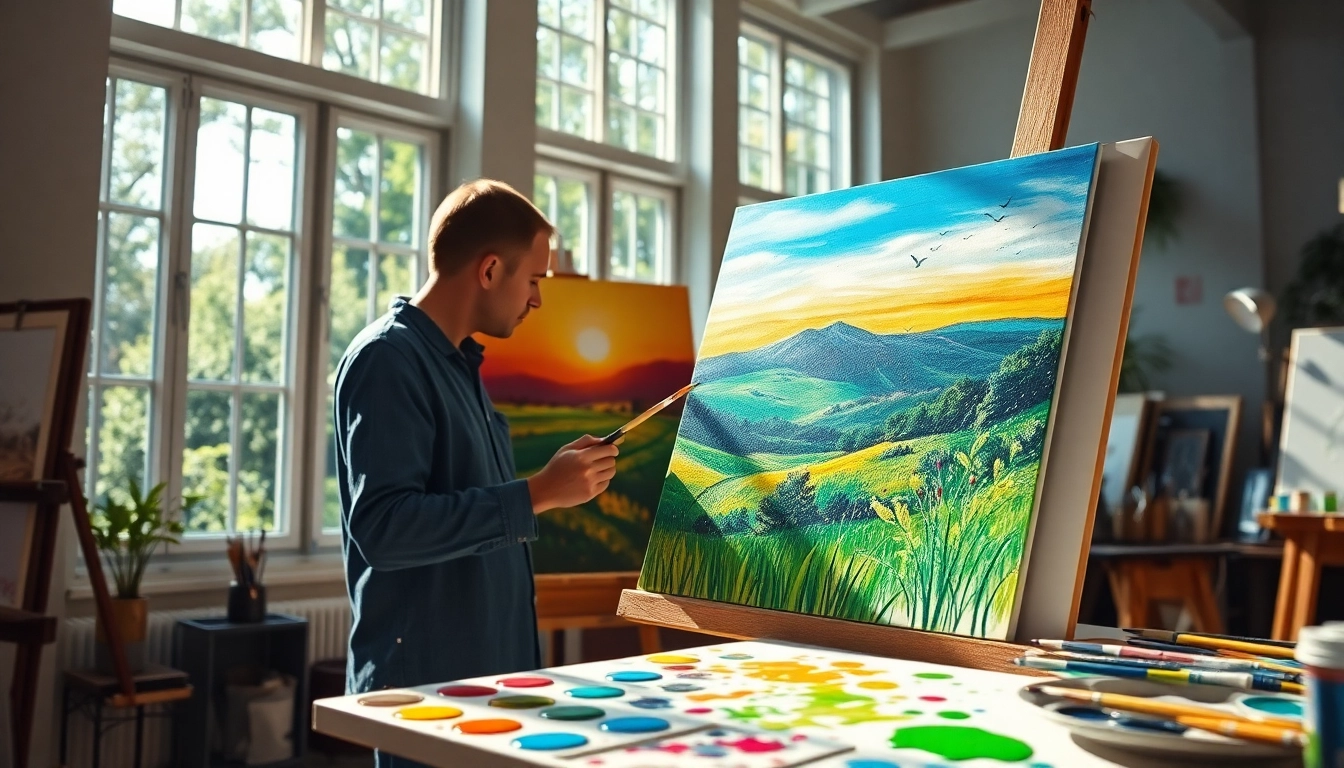
Embarking on a journey through the world of painting provides an exciting opportunity for creative exploration. Whether you’re a novice seeking to express yourself or an experienced artist refining your skills, understanding the various painting techniques available is critical. Each method offers unique possibilities and outcomes, shaping the overall aesthetic of your work. In this section, we will delve into the intricacies of three predominant techniques: acrylic, watercolor, and oil painting.
Exploring Acrylic Painting Methods
Acrylic painting is a versatile medium that appeals to artists of all levels. Known for its quick-drying properties and vibrant colors, acrylics can mimic both watercolors and oils, depending on how they are used.
The first method to explore is the wet-on-wet technique, where wet paint is applied on top of wet paint, allowing colors to blend organically. This technique is excellent for creating backgrounds or soft edges and can lead to unexpected results, adding spontaneity to the artwork.
Another popular approach is layering, where artists apply multiple layers of paint. The initial layer often serves as a base, while subsequent layers add depth, texture, and contrast. This technique is particularly effective for creating depth and visual interest.
Finally, there’s dry brushing, where a dry brush is used to apply a small amount of paint to the canvas. This technique creates a textured effect and is excellent for adding highlights and details.
Watercolor Techniques for Beginners
Watercolor painting is characterized by its translucent quality, allowing for both soft washes and intricate details. For beginners, mastering a few essential techniques can significantly improve results.
The wet-on-dry technique involves applying wet paint onto dry paper, creating crisp, defined edges. This method is perfect for controlled applications, especially when painting detailed subjects.
Granulation is another technique where pigments that settle into the texture of the paper create a beautiful, dappled effect. Understanding how different pigments interact with water and paper can enhance the overall aesthetic of your work.
Lastly, the lifting technique involves removing paint from the paper using a damp brush or sponge. This skill is crucial for adding highlights and correcting mistakes, making it a fundamental technique for watercolor artists.
Oil Painting Essentials: Tools and Methods
Oil painting, known for its richness and depth, requires specific tools and techniques to achieve desired effects. One of the most significant elements in oil painting is understanding fat over lean. This principle involves applying layers with higher oil content over those with lower oil content, preventing issues such as cracking.
Another essential technique is glazing, wherein transparent layers of color are built up over dried paint. This method enriches the colors and adds luminosity to your artwork.
Impasto is also a favored technique in oil painting, where paint is applied thickly, creating a tactile texture. This effect can convey drama and depth, drawing viewers into the artwork.
Choosing the Right Painting Supplies
Selecting the appropriate supplies is crucial for successful painting. The right brushes, colors, and canvas types can significantly influence your artistic expression.
Essential Brushes for Every Painting
Brush selection varies based on the medium and style of painting. For acrylics, synthetic brushes work exceptionally well due to their durability and control. In contrast, natural hair brushes can be better suited for oils, as they hold more paint and provide varied texture.
Round brushes are ideal for detailed work and sharp lines, while flat brushes are perfect for broader strokes and filling in large areas. Additionally, specialty brushes—such as filbert and fan brushes—offer unique effects. Familiarizing yourself with various brush types and their applications enhances artistic versatility.
Colors that Inspire: Selecting Your Palette
The choice of colors can profoundly affect the emotional impact of your painting. A well-thought-out palette enhances cohesion and allows for better blending. A basic palette includes primary colors—red, blue, and yellow—along with secondary colors—green, orange, and purple.
To create various shades, consider adding warm and cool tones of each primary color. Experimentation can lead to personal color harmony, making your work stand out. Effective color mixing not only results in a vibrant palette but also resonates with deeper emotions and sentiments.
Canvas Types: Which is Best for Your Painting?
The choice of canvas impacts the texture and finish of the painting. Cotton canvas is the most common option, appreciated for its affordability and versatility, making it suitable for a wide range of painting techniques.
Linen canvas, though more expensive, offers superior quality and durability, ideal for professional artworks. Additionally, consider using boards or panels for specific effects, as these surfaces can provide a different texture compared to traditional canvases.
Finding Inspiration: Where to Start Your Painting Journey
Inspiration is the lifeblood of creativity. Knowing where to look for it can be the difference between a blank canvas and a masterpiece.
Sources of Creative Inspiration
Inspiration can come from various sources—art history, literature, and even your emotions. Engaging with art books, visiting galleries, or exploring art movements can spark new ideas and techniques. Personal experiences and folk tales can also infuse your work with deeper meaning.
Listening to music or poetry can stimulate creative thoughts, allowing your mind to wander and visualize different themes or concepts. Keeping a journal to jot down spontaneous ideas can serve as a rich resource for future paintings.
Explore Nature: Best Outdoor Painting Spots
Nature is a compelling subject for artists. Setting up your easel in open spaces offers the chance to observe colors, textures, and forms in a dynamic environment.
Whether at a local park, by the beach, or in the mountains, painting outdoors (also known as plein air painting) opens up opportunities to capture the ever-changing light and atmosphere. Often, outdoor environments resonate deeply with the emotions, enhancing the overall feel of the artwork.
Using Photography as a Reference
Photography can serve as an excellent reference for artists. It captures moments in time with stunning detail, providing a plethora of subjects to choose from.
Utilizing photographs allows artists to focus on composition and color relationships at their convenience, making it a valuable practice, especially during winter months when outdoor painting is less accessible. However, it’s essential to approach this method ethically, ensuring you have the rights to use any photographs as reference material.
Perfecting Your Technique: Tips for Improvement
Clarity and skill in painting come with practice and reflection. Implementing targeted strategies can facilitate growth in your technique and overall artistic journey.
Practicing Brush Strokes: Techniques to Try
Brush stroke practice is an effective way to develop muscle memory and control. Consider trying a series of strokes—short, long, diagonal, and curved—to gauge how your brush reacts with various amounts of pressure and paint.
Create textures by varying your speed during strokes or by applying heavy paint in some areas while lightly brushing in others. These practices help you to gain confidence and adaptability in your technique.
Understanding Color Theory for Better Painting
Color theory is foundational for any artist, dictating how colors interact, complement, or clash in your work. Familiarize yourself with the color wheel and learn about color harmony, contrast, and the emotional effects of different hues.
Experimenting with monochromatic palettes (using different values of a single color) or complementary palettes (using colors opposite each other on the wheel) can broaden your understanding and application of colors in your artwork.
How to Seek Constructive Criticism
Criticism is a valuable aspect of artistic growth. Actively seeking feedback from peers, mentors, or through art classes can provide new perspectives on your work.
When requesting critiques, specify what areas you’re interested in improving or are uncertain about. This approach helps provide targeted feedback that can guide your development effectively.
Showcasing Your Artwork: The Final Steps
Once your artwork is complete, showcasing it thoughtfully can extend its reach and enhance visibility. Consider how you want your art to be perceived and the best ways to present it.
How to Frame and Display Your Painting
Framing your artwork is critical in enhancing its presentation and protecting it from damage. The choice of frame should complement rather than overpower the painting. Neutral frames often work well for most artworks.
When displaying your painting, consider lighting and placement to ensure it is highlighted effectively. Displaying art in various environments can also give you insight into public perception.
Marketing Your Artwork Online
In the digital age, showcasing and selling your artwork online is more accessible than ever. Creating a personal website or using social media platforms can significantly enhance reach.
Engaging storytelling about your art, sharing behind-the-scenes glimpses, and collaborating with other artists can help build a following. Regularly updating your portfolio online can keep your audience engaged and encouraged.
Participating in Art Exhibitions and Competitions
Exhibitions and competitions provide excellent opportunities to showcase your work, gain exposure, and connect with fellow artists. Research local galleries, community events, and national competitions to find suitable opportunities.
When entering competitions, ensure your work aligns with the theme and criteria. Even if your work isn’t chosen, participation allows valuable learning experiences and networking opportunities.
Frequently Asked Questions
1. What materials do I need to start painting?
To begin painting, you’ll need brushes, paint (acrylic, watercolor, or oil), canvas or paper, and a palette. Don’t forget water or solvent for cleanup!
2. How can I improve my painting skills?
Practice regularly, experiment with different techniques, and seek feedback from fellow artists. Consider taking classes for structured learning.
3. What are some famous painting techniques I should know?
Popular techniques include glazing, wet-on-wet, and impasto. Each has its unique effects and applications, enhancing your creative expression.
4. How do I find inspiration for my paintings?
Inspiration can come from nature, daily life, or feelings. Visiting galleries and using reference photos are also excellent ways to spark creativity.
5. What should I do after completing a painting?
Consider how to display your work or share it online. Framing, posting on social media, or entering exhibitions can increase visibility.