
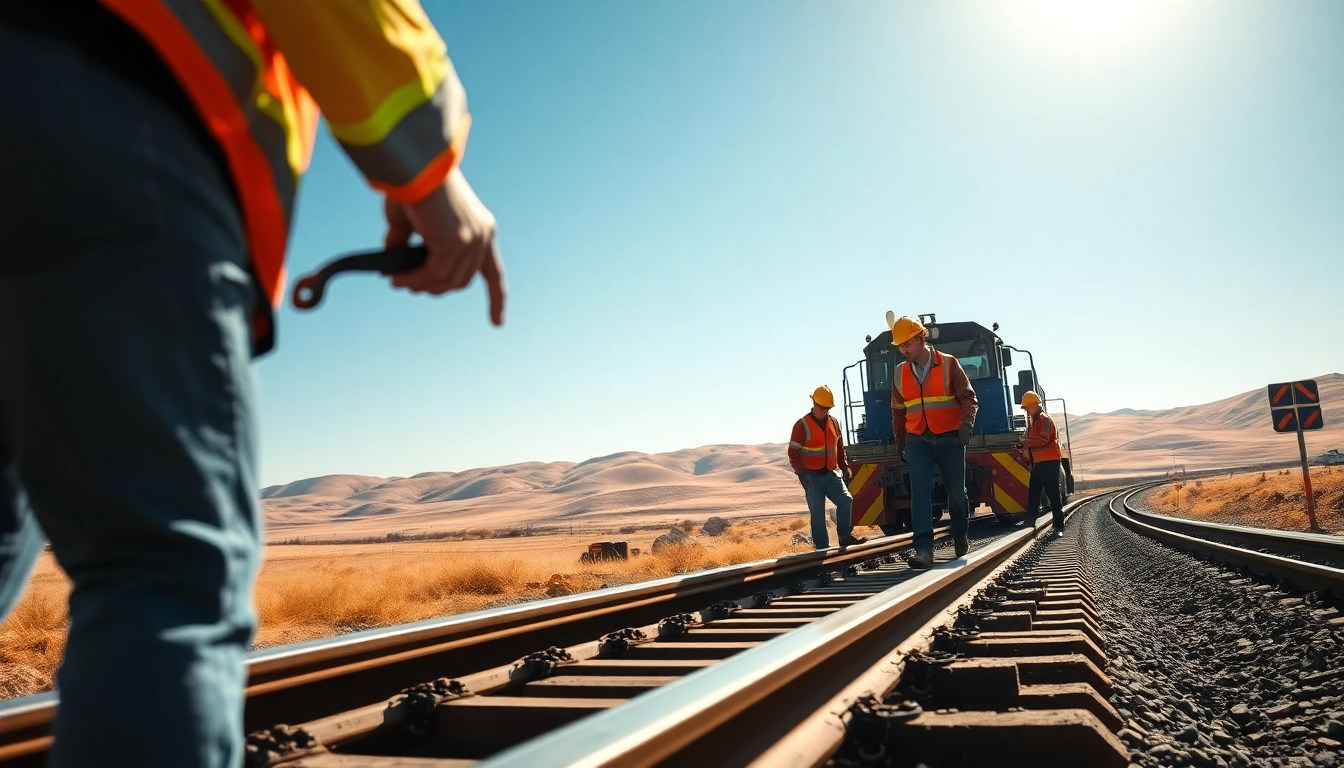
Understanding Railroad Construction Fundamentals
What is Railroad Construction?
Railroad construction involves the techniques and processes employed in the building of railway lines, including tracks, bridges, tunnels, and related infrastructure. This field requires a specialized understanding of engineering principles, materials, and safety practices. The successful completion of Railroad Construction projects can significantly enhance transportation networks and contribute to economic growth by facilitating the movement of goods and people.
Importance of Safety in Railroad Construction
Safety is of paramount importance in railroad construction. Given the potential hazards associated with heavy machinery, high-speed trains, and the working environment, stringent safety measures must be implemented. This includes comprehensive training for workers, adherence to safety protocols, regular inspections, and the utilization of personal protective equipment (PPE). By prioritizing safety, companies can minimize accidents, reduce downtime, and ensure that projects are completed efficiently.
Types of Railroad Construction Projects
Railroad construction projects can vary significantly based on their purpose and scope. The main types include:
- New Track Construction: Building new railway lines to connect different regions.
- Track Rehabilitation: Upgrading or replacing existing tracks to improve safety and efficiency.
- Bridges and Tunnels: Constructing critical infrastructure to navigate geographical challenges.
- Station Construction: Building or renovating train stations to enhance passenger services.
Planning and Design in Railroad Construction
Key Considerations for Project Planning
Effective planning is crucial for the success of railroad construction projects. Key considerations include:
- Site Assessment: Evaluating the geographical and environmental aspects of the location.
- Budgeting: Establishing a detailed budget that encompasses all phases of the project.
- Timeline Development: Crafting a realistic timeline for project milestones.
- Stakeholder Engagement: Collaborating with local communities, authorities, and other stakeholders to address concerns and expectations.
Design Tools for Efficient Railroad Construction
Advancements in technology have revolutionized the design of railroad construction projects. Key tools include:
- CAD Software: Computer-Aided Design (CAD) software allows engineers to create precise 2D and 3D models of proposed railways.
- GIS Technology: Geographic Information Systems (GIS) can analyze spatial data to inform route selection and environmental impact.
- Simulation Software: This software helps visualize train movements, track interactions, and potential bottlenecks under different scenarios.
Environmental Impact Assessments
Environmental considerations are increasingly central to railroad construction projects. Conducting an Environmental Impact Assessment (EIA) is crucial. An EIA identifies potential environmental effects, evaluates alternatives, and proposes mitigation strategies. This process ensures compliance with environmental regulations and seeks to minimize the project’s ecological footprint. Engagement with environmental experts and local stakeholders during this phase is essential for transparency and sustainability.
Materials and Equipment for Railroad Construction
Common Materials Used in Railroad Construction
The choice of materials in railroad construction is crucial for durability and safety. Common materials include:
- Rails: Typically made from steel, rails are fundamental to train tracks.
- Sleepers: Also known as ties, these are usually made from concrete or wood and support the rails.
- Ballast: Crushed stone or gravel used to support the weight of the track and provide drainage.
- Fastenings: Components that secure rails to sleepers.
Machinery Essential for Construction Projects
Railroad construction demands heavy machinery capable of handling substantial loads and performing intricate tasks. Essential equipment includes:
- Excavators: Used for digging and land preparation.
- Ballast Regulators: Machines that maintain the level of ballast around the track.
- Railway Cranes: Specialized cranes for moving heavy rails and materials.
- Track Laying Machines: Automated systems that facilitate the efficient laying of tracks.
Innovations in Construction Technology
Innovations continue to shape the landscape of railroad construction, enhancing efficiency and safety. Recent advancements include:
- 3D Printing: This technology is being explored for fabricating customizable components used in rail infrastructure.
- Drones: Utilized for site surveys, monitoring construction progress, and ensuring compliance with safety standards.
- Smart Sensors: Integrated into trains and infrastructure, these sensors facilitate real-time monitoring of conditions, enhancing safety.
Execution of Railroad Construction Projects
Project Management Best Practices
Executing a successful railroad construction project requires adherence to best practices in project management, including:
- Defining Clear Objectives: Establishing what success looks like at the outset.
- Regular Communication: Keeping stakeholders informed throughout the project lifecycle.
- Agility: Being ready to adapt to changing circumstances and challenges.
- Regular Training: Ensuring that all personnel are trained on the latest techniques and safety procedures.
Tracking Progress and Adjusting Plans
Tracking project progress ensures that milestones are met and allows for timely adjustments. Tools for managing this include:
- Project Management Software: Software platforms that help track tasks, resources, and timelines.
- Gantt Charts: Visual tools that show project timelines and dependencies.
- Regular Reporting: Providing updates to stakeholders to keep everyone aligned.
Managing Labor and Resources
Efficient management of labor and resources is critical to prevent delays and ensure budget compliance. Strategies include:
- Resource Allocation Plans: Detailed strategies for utilizing equipment and labor effectively.
- Flexible Scheduling: Allowing for adjustments based on weather or other external factors.
- Hiring Qualified Personnel: Ensuring that all workers have the necessary skills and experience for their roles.
Evaluating Success in Railroad Construction
Key Performance Indicators in Railroad Projects
Measuring the success of railroad construction projects involves key performance indicators (KPIs) such as:
- On-Time Delivery: The percentage of milestones met by their deadlines.
- Budget Variance: Comparing actual costs to budgeted amounts.
- Safety Incidents: Tracking the number of accidents or incidents that occur during construction.
Common Challenges and Solutions
Railroad construction is fraught with challenges, including:
- Weather Delays: Developing contingency plans can mitigate weather-related disruptions.
- Regulatory Hurdles: Engaging with regulatory bodies early can help streamline the approval process.
- Budget Overruns: Implementing strict financial controls and regular audits can help manage costs.
Future Trends in Railroad Construction
The future of railroad construction will likely see a blend of sustainability and technology. Emerging trends include:
- Green Construction Practices: Focusing on renewable materials and reducing waste.
- Increased Automation: Utilizing robotics to perform tasks that are dangerous for human workers.
- Digital Twins: Creating virtual models of projects for better monitoring and management.
FAQs
1. What qualifications do I need for a career in railroad construction?
Most positions require a background in engineering or construction management, along with specialized training and certifications regarding safety and equipment use.
2. How long does a typical railroad construction project take?
Project duration varies based on the project’s scale and complexity, ranging from several months for smaller projects to several years for large-scale developments.
3. What are the environmental regulations involved in railroad construction?
Projects must comply with federal and state environmental regulations, which often include conducting Environmental Impact Assessments (EIA) to evaluate potential ecological effects.
4. How is safety managed during railroad construction?
Safety is managed through training programs, use of proper personal protective equipment (PPE), regular inspections, and adherence to established safety protocols.
5. What is the role of technology in modern railroad construction?
Technology aids in design, project management, and safety monitoring, with tools like CAD, GIS, AI, and drones playing significant roles in enhancing efficiency and accuracy.
