Understanding Cutting Equipment: Basics and Types
What is Cutting Equipment?
Cutting equipment refers to tools and machinery designed to alter the form of various materials through cutting processes. It encompasses a range of devices used for slicing, shearing, or removing materials to create specified shapes and sizes. This equipment is fundamental in numerous industries, including manufacturing, construction, and arts. The efficiency and effectiveness of cutting equipment directly impact productivity and quality, making it essential in both industrial and artisanal settings. To get a clearer understanding, we recognize that there are multiple kinds of cutting equipment, each tailored for specific tasks.
Types of Cutting Equipment Explained
Various types of cutting equipment are available, tailored to meet the diverse needs of different industries. The most common categories include:
- Hand Tools: This includes scissors, knives, and chisels, which are simple and require manual operation.
- Power Tools: Such as circular saws, band saws, and jigsaws, these tools use electrical power for enhanced cutting capability.
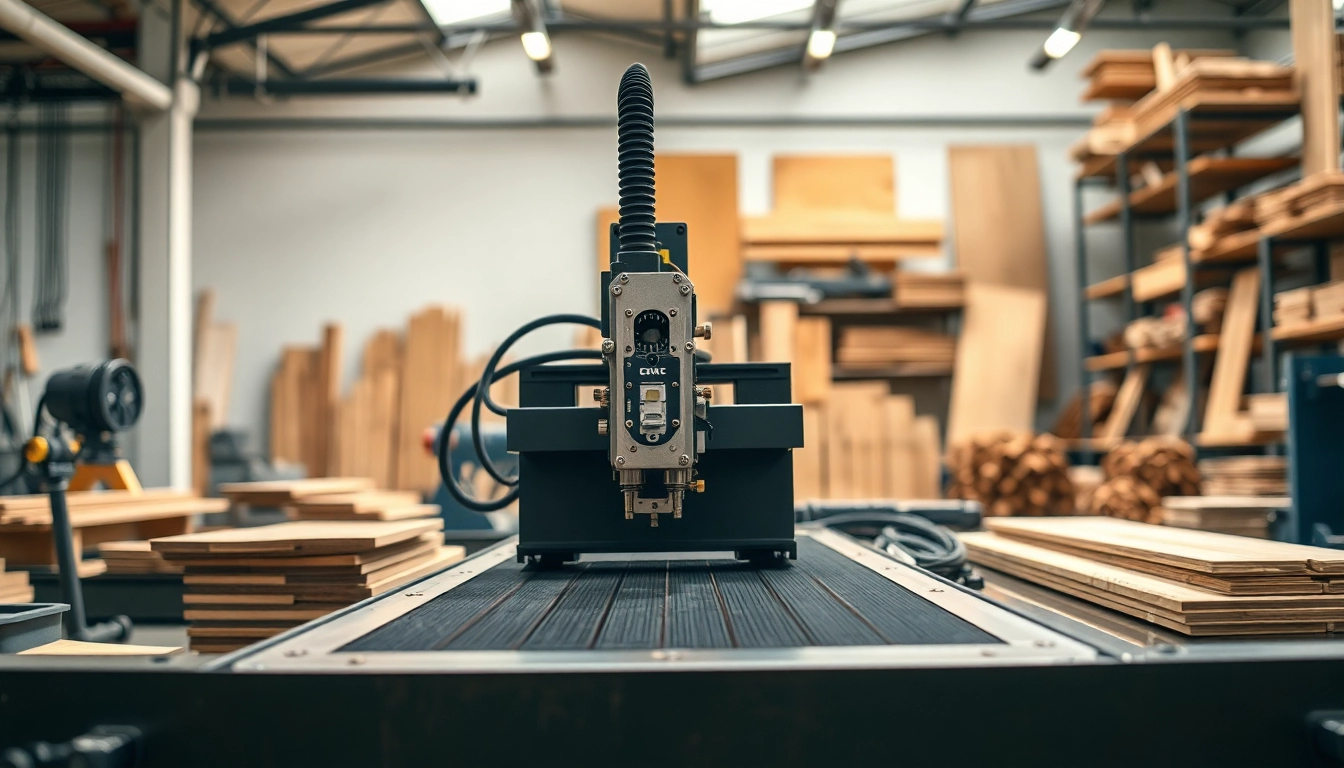
- Heavy Machinery: This category encompasses CNC machines, laser cutters, and plasma cutters, utilized in more industrial applications for precision and high-volume cutting.
- Water Jet Cutters: These machines use high-pressure water streams, often mixed with abrasive materials, to cut through tough substances.
- Robo-Cutting Systems: Integrating robotics with cutting operations, these systems enhance efficiency and precision.
Basic Principles of Operation
The operation of cutting equipment revolves around transmitting force onto a material to achieve a clean cut. The key principles include:
- Pressure Application: The amount of pressure or force applied determines the effectiveness of the cut.
- Blade Geometry: The shape and angle of the blade or cutting edge influence cutting efficiency and finishes.
- Material Properties: The type of material being cut dictates the necessary adjustments in equipment settings to achieve optimal results.
- Cutting Speed: Speed variations can affect the heat generated during cutting, impacting quality and tool longevity.
Applications of Cutting Equipment in Various Industries
Construction and Fabrication
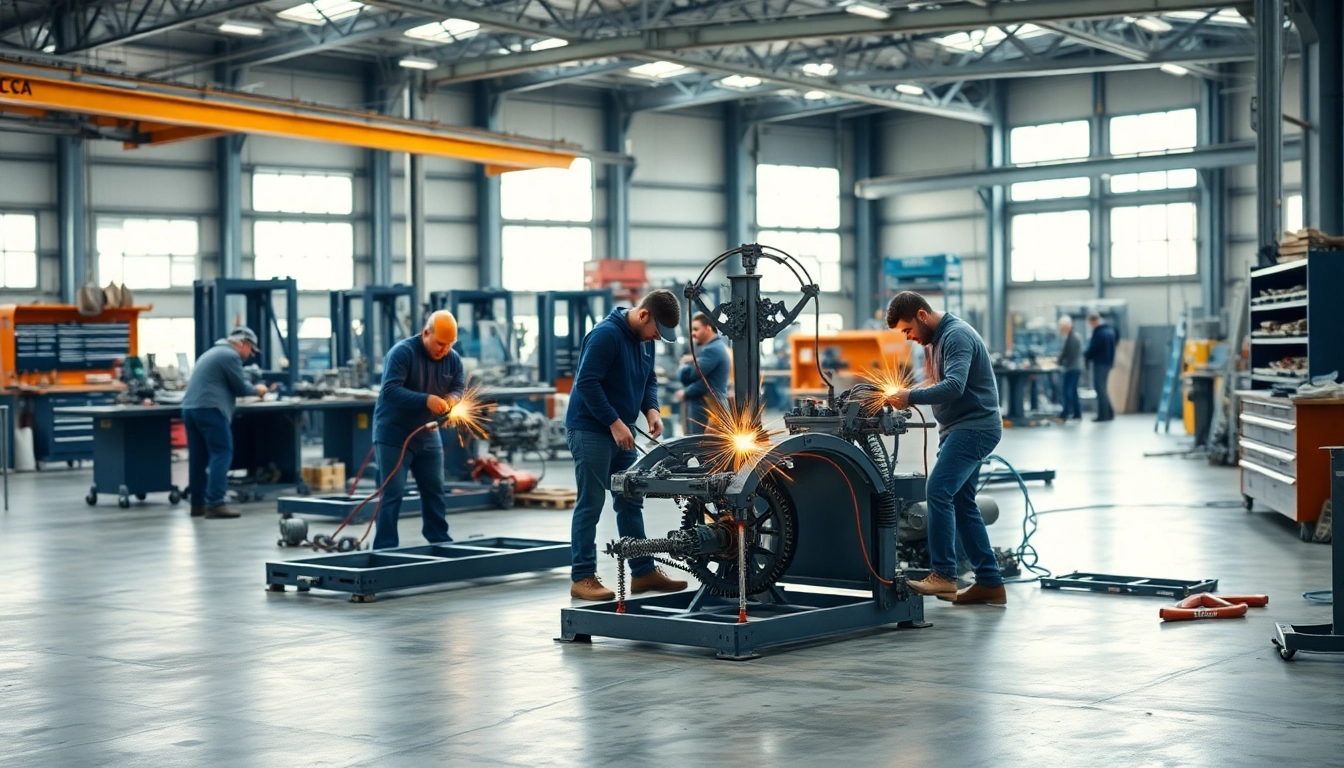
In construction and fabrication, cutting equipment is vital for creating building components. Saws and drills are frequently employed to shape materials like wood and metal. For instance, circular saws are indispensable for cutting lumber to specific lengths, while CNC machines facilitate the accurate cutting of steel beams. Fabrication shops rely heavily on plasma cutters to shape metals, creating intricate designs that are necessary for modern architecture.
Automotive and Aerospace Usage
The automotive and aerospace industries utilize cutting equipment for precision manufacturing processes. In automotive assembly lines, laser cutters are often used to create intricate panels from metal. These laser tools are favored for their high precision and ability to cut complex shapes, which reduces material waste and promotes efficiency. Similarly, the aerospace industry employs water jet cutters to shape composite materials and titanium components, essential for the lightweight, durable parts needed in aircraft.
Arts and Crafts Integration
Beyond industrial applications, cutting equipment plays a crucial role in arts and crafts. Artists and craftsmen use tools like craft knives, rotary cutters, and handheld laser cutters to achieve fine detail and precision in their work. For example, quilters use rotary cutters for accurate fabric cuts, ensuring geometric designs are maintained. Moreover, fabric and vinyl cutters automate the process, allowing for high-quality patterns without sacrificing creativity.
Choosing the Right Cutting Equipment for Your Needs
Assessing Project Requirements
Choosing the appropriate cutting equipment begins with a thorough assessment of project requirements. Factors such as the type of material to be cut, the desired precision level, and the volume of work affect the decision-making process. A comprehensive analysis helps narrow down options to those that meet specific requirements, ensuring both efficiency and quality in outcomes.
Key Specifications to Consider
When selecting cutting equipment, several critical specifications play a role in achieving optimal results:
- Power Source: Determining between manual, electric, or pneumatic tools based on available resources and project size.
- Cutting Capacity: Understanding the maximum thickness or size of the materials the equipment can handle.
- Speed Variability: The ability to adjust cutting speeds for different materials and thicknesses enhances versatility.
- Portability: For projects requiring movement, consider the weight and design for easy transport.
- Safety Features: Equipment should have adequate safety mechanisms to protect users during operation.
Budgeting for Quality Equipment
Budgeting for cutting equipment must balance cost against quality and longevity. While high-quality equipment may require a more substantial initial investment, it often leads to long-term savings by minimizing maintenance costs and enhancing efficiency. Consider total cost of ownership, including potential repair and replacement costs, before finalizing your budget.
Maintenance Tips for Longevity of Cutting Equipment
Regular Maintenance Practices
To ensure the longevity and effectiveness of cutting equipment, regular maintenance practices are essential. This includes:
- Routine Cleaning: Keeping the equipment clean reduces wear and tear.
- Blade Replacement: Timely replacement of worn blades maintains cutting efficiency and safety.
- Lubrication: Regular lubrication of moving parts prevents friction and prolongs lifespan.
- Calibration: Periodic checks and recalibration ensure the equipment remains accurate.
Common Issues and Troubleshooting
Common issues such as decreased performance, unusual noises, or overheating can indicate underlying problems. Proper troubleshooting methods involve:
- Identifying noise changes to determine if parts are misaligned or in need of replacement.
- Monitoring temperature changes to prevent overheating, adjusting operational speeds as needed.
- Analyzing cut quality to pinpoint issues relating to blade sharpness or machine settings.
Upgrading and Replacement Strategies
As technology advances, considerations for upgrading or replacing equipment become necessary. Key strategies include evaluating the efficiency of current equipment against new innovations, assessing the return on investment for new purchases, and integrating newer, sustainable technologies to improve productivity while minimizing environmental impact.
Future Trends in Cutting Equipment Technology
Innovations Driving Efficiency
Future developments in cutting equipment will focus on enhancements in efficiency and precision, driven by innovations such as advanced materials for blades, smart algorithms for operational adjustments, and digital transformations that streamline workflow. Companies are beginning to incorporate algorithms that analyze wear and tear, automating maintenance schedules more effectively.
Sustainable Options in Cutting Equipment
The shift towards sustainability is influencing cutting equipment design. New technologies are emerging that utilize lower energy consumption and eco-friendly materials, allowing businesses to reduce their carbon footprint while maintaining operational effectiveness. Future cutting solutions are likely to include energy-efficient motors and recyclable materials.
The Role of Automation in Cutting Solutions
Automation continues to dramatically reshape cutting operations. Automated cutting machines reduce labor costs, and improve safety and precision while increasing throughput. Increasingly, facilities are investing in automated systems capable of integrating different cutting techniques, enhancing versatility, and output quality in manufacturing settings.
Frequently Asked Questions
What should I look for when selecting cutting equipment?
Consider the type of material you’ll be cutting, the thickness, the precision required, and what specific features cater to your project needs.
How often should cutting equipment be maintained?
Regular maintenance should be scheduled based on usage frequency, typically weekly or monthly, to ensure optimal performance and longevity.
Can cutting equipment handle different materials?
Yes, many cutting machines can efficiently cut various materials, including metal, wood, and plastics; however, compatibility varies by machine type.
Is it worth investing in high-quality cutting equipment?
Investing in high-quality cutting equipment can enhance precision, reduce operational costs, and improve project outcomes significantly.
What are the signs that my cutting equipment needs repair?
Signs include decreased performance, unusual noises, overheating, or visible wear on blades that affect cutting quality.