
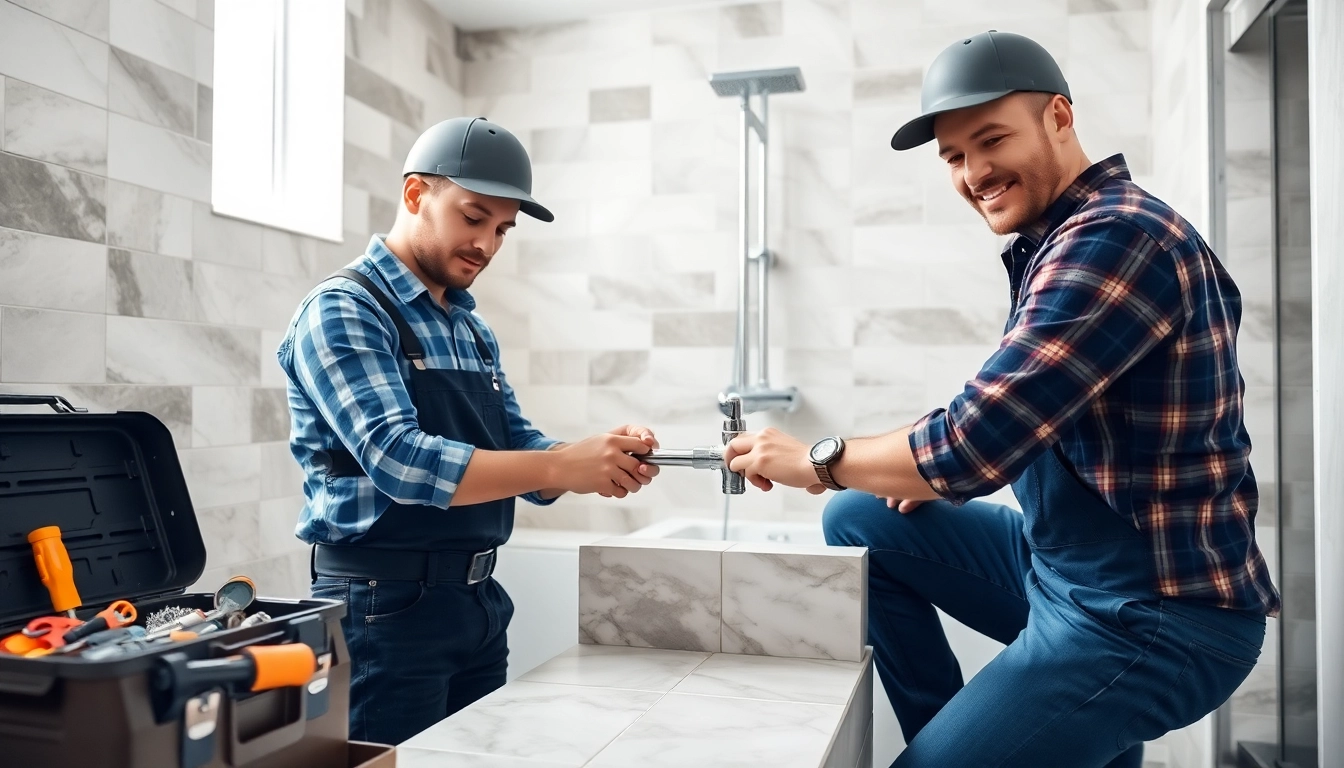
Understanding the Roles of Plumbers and Tilers
What Do Plumbers and Tilers Do?
In the construction and renovation industry, plumbers and tilers hold crucial roles that directly impact the functionality and aesthetic appeal of residential and commercial properties. Plumbers specialize in installing, repairing, and maintaining water supply systems, including pipes, fittings, and fixtures. Their expertise ensures that buildings have reliable plumbing systems that safely direct water away from structures and deliver potable water to homes and businesses.
Tilers, on the other hand, focus on covering surfaces—whether walls, floors, or ceilings—with tiles made from materials such as ceramic, porcelain, stone, or glass. Their work not only contributes to the aesthetic aspects of a space but also enhances its durability and functionality. They are responsible for measuring, cutting, and laying tiles while ensuring proper alignment and finishing touches such as grout application.
Skills Required for Success
To succeed as a plumber or tiler, a combination of technical skills and soft skills is essential. Plumbers must have a deep understanding of water systems, including how to detect leaks, fix drainage issues, and ensure compliance with local codes and regulations. They should also be naturally inclined to problem-solving, as unanticipated issues often arise during installations or repairs.
Tilers require a keen eye for detail and an appreciation for design. They should possess excellent manual dexterity to handle tools and materials with precision. Additionally, both professions benefit from strong physical stamina, as the work can be physically demanding and may involve lifting heavy materials or working in uncomfortable positions for extended periods.
The Importance of Teamwork in Home Renovations
Effective collaboration is vital in home renovation projects, particularly when integrating the efforts of plumbers and tilers. A successful renovation often involves sequential tasks that require both professionals to work closely to ensure seamless transitions between plumbing fixtures and tiled surfaces. For instance, tilers must coordinate with plumbers to ensure precise placement of fixtures and drainage systems before laying tiles, preventing costly adjustments later on.
Additionally, a unified team approach can enhance communication and efficiency, allowing for faster project completion and improved problem-solving capabilities. When both plumbers and tilers establish clear lines of communication and a shared understanding of project timelines and expectations, it leads to enhanced outcomes and higher satisfaction for homeowners.
Choosing the Right Plumbers and Tilers
How to Evaluate Their Experience
When selecting plumbers and tilers for a project, experience is a critical factor to consider. Look for professionals who have a proven track record and expertise in the specific type of work required. Checking credentials and licenses can confirm that the individuals or companies have met the necessary training requirements and comply with local regulations.
Moreover, assessing the number of years they’ve been in the industry can provide insight into their level of competence. A seasoned professional will likely have encountered a wide variety of installation and repair scenarios, giving them the skills needed to navigate challenges effectively.
Key Questions to Ask Potential Contractors
When interviewing potential plumbers and tilers, asking the right questions can help you gauge their suitability for your project. Here are some essential inquiries to consider:
- What is your experience with similar projects?
- Can you provide references from previous clients?
- What is your estimated timeline for completion?
- How do you handle unexpected issues that arise during the project?
- What warranties or guarantees do you offer on your work?
These questions can help you assess their reliability, expertise, and commitment to customer satisfaction, ensuring that you choose the right professionals for your renovations.
Assessing Portfolios and Previous Work
Portfolios can provide a visual representation of a contractor’s capabilities and style. Request to see a portfolio of completed projects from potential plumbers and tilers to evaluate their work firsthand. Look for consistency in quality and craftsmanship, as well as a variety of projects that demonstrate versatility with different materials and designs.
Online reviews on various platforms can also offer valuable insights into past performance and customer experiences. Assessing feedback can shed light on their professionalism, reliability, and overall satisfaction levels among previous clients.
Common Challenges Faced by Plumbers and Tilers
Overcoming Installation Issues
Installation issues can arise at any stage of a plumbing or tiling project. Common plumbing challenges include leaks, incorrectly sized pipes, and poor drainage. Tilers may face difficulties such as uneven surfaces or misaligned tiles. Addressing these challenges swiftly requires the right skills and experience. Effective communication between the plumbing and tiling teams can also mitigate potential complications and streamline the installation process.
Additionally, having a solid plan and ensuring proper measurements can significantly reduce the likelihood of encountering these issues. Using quality materials and tools is also critical, as inferior products are more prone to failure and complications.
Dealing with Unexpected Problems
Even the most meticulously planned projects can face unforeseen challenges. These may include hidden plumbing issues within walls, structural limitations, or supply chain delays that affect material availability. Professionals must remain adaptable and use their problem-solving skills when these situations arise. Quick thinking and resourceful strategies can help tackle unexpected issues while keeping the project on track.
Moreover, thorough inspections and assessments prior to beginning work can help identify potential hidden issues, allowing for proactive planning and minimizing surprises down the line.
Ensuring Compliance with Regulations
Compliance with local building codes and regulations is a critical aspect of plumbing and tiling work. Both professions must stay updated on current laws regarding installation standards, safety protocols, and environmental considerations. Working with inexperienced contractors can lead to compliance issues, which may result in fines or the need to redo work.
Therefore, always check that the professionals you hire are knowledgeable about local requirements and are committed to following them diligently throughout the project.
Best Practices in Plumbing and Tiling
Top Techniques for Quality Installation
To achieve optimal results, both plumbers and tilers should adhere to best practices in their respective fields. For plumbers, foundational techniques include ensuring pipes are correctly sized, securely fastened, and adequately insulated to prevent heat loss. Water pressure should be tested, and water flow should be adequately balanced to avoid leaks or blockages.
Tilers should prioritize surface preparation, ensuring that surfaces are clean, dry, and level before beginning their work. Proper layout planning is crucial for a visually appealing and functional tile installation. Techniques such as staggered layouts or diagonal placements can enhance aesthetics in rooms, especially small spaces.
Recommended Tools and Materials
Using the right tools and materials can greatly influence the quality of plumbing and tiling work. Plumbers typically utilize tools like pipe wrenches, Teflon tape, and plumbing snake tools, while tilers rely on trowels, tile cutters, and grout floats.
When selecting materials, always opt for high-quality options to enhance durability and reduce long-term maintenance costs. Investing in quality tiles, grout, and plumbing fixtures can lead to superior results and increased lifespan for installations.
Maintaining a Safe Work Environment
Safety is paramount in plumbing and tiling projects. Both professions should conform to safety standards, including using appropriate personal protective equipment (PPE), such as gloves, goggles, and masks. Proper equipment handling techniques and workplace organization can minimize accidents and injuries.
Additionally, maintaining a clean work area can prevent tripping hazards and create an efficient work environment where contractors can focus on delivering high-quality results without distractions.
Frequently Asked Questions about Plumbers and Tilers
What is the average cost of hiring plumbers and tilers?
The cost depends on the scope and complexity of the project. Basic plumbing or tiling jobs may range from hundreds to thousands of dollars, including labor and materials.
How long does a typical plumbing and tiling job take?
Completion time varies by project size and complexity. Small jobs can take a few hours, while larger renovations may require several days or even weeks.
What guarantees should I expect from my contractors?
Expect warranties covering workmanship and materials. Reputable contractors typically offer guarantees ranging from one to ten years, depending on the service.
How can I prepare my home for plumbing and tiling work?
Clear the work areas of furniture and other belongings. Ensure access to plumbing systems and communicate any special requirements or concerns with your contractors beforehand.
Are there any eco-friendly options available?
Yes, eco-friendly plumbing fixtures and sustainable tiling materials exist. Look for water-saving appliances or tiles made from recycled materials to enhance sustainability.