
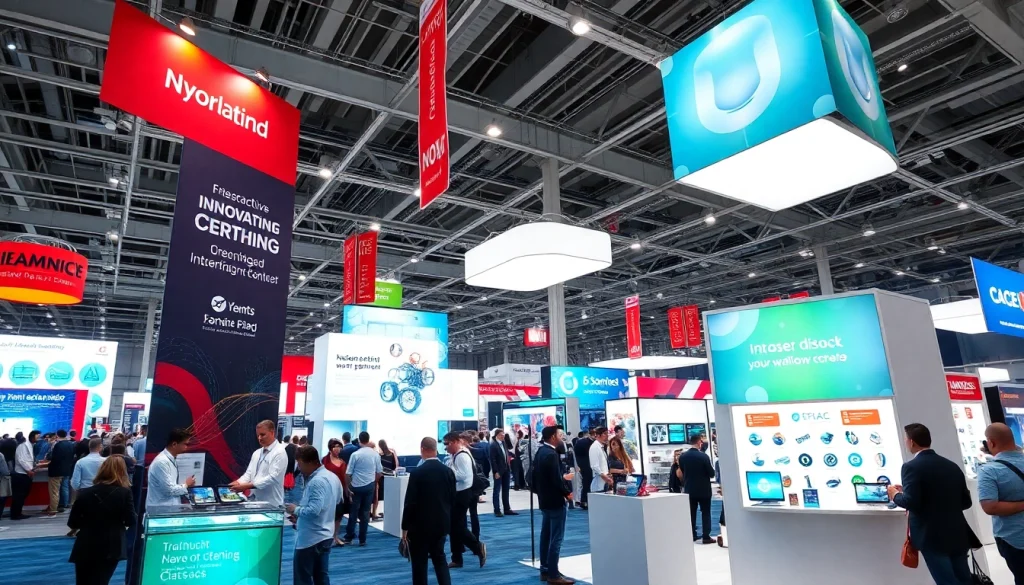
Understanding the Importance of a Trade Show Booth
Trade shows serve as vital marketing platforms for businesses aiming to showcase their products and services, connect with customers, and enhance brand visibility. One critical component that determines the impact of a company’s presence at trade shows is the trade show booth. A well-designed booth not only attracts visitors but also creates an engaging space where meaningful interactions can occur. This article delves into the multifaceted importance of trade show booths, exploring their roles in marketing strategies, the benefits of effective design, and common pitfalls that businesses should avoid.
The Role of Trade Show Booth in Marketing Strategy
A trade show booth is more than just a physical space; it is an integral part of a company’s overall marketing strategy. It acts as a direct representation of the brand, encapsulating its identity, values, and offerings. In essence, the booth serves as the face of the business at these large gatherings, making the first impression on potential clients and partners. In today’s competitive marketplace, where attention spans are fleeting, businesses must leverage their booths effectively to differentiate themselves from the competition.
Benefits of Effective Trade Show Booth Design
The impact of a well-structured trade show booth extends far beyond aesthetics. Effective design translates into numerous benefits:
- Attracting Attention: A visually appealing booth design can draw attendees in. Bright colors, engaging graphics, and innovative layouts can make a booth stand out on a crowded display floor.
- Enhancing Brand Awareness: By incorporating brand colors, logos, and messaging into the booth design, you reinforce the brand’s identity, making it memorable for all who pass by.
- Facilitating Engagement: A well-planned booth encourages attendees to stop, interact, and engage with your brand. This can be achieved through demonstrations, interactive displays, and personalized conversations.
- Driving Lead Generation: An attractive and well-functioning booth can significantly increase the quantity and quality of leads collected at trade shows.
Common Mistakes to Avoid with Trade Show Booths
While there are numerous ways to succeed with a trade show booth, certain lapses can detract from its effectiveness:
- Ignoring Target Audience: Not understanding who your audience is can lead to designs that do not resonate with potential clients.
- Overcomplicating Design: A cluttered or complex design can confuse attendees. Simplicity and clarity often yield better results.
- Neglecting Follow-up Strategies: Collecting leads without a clear follow-up plan can result in missed opportunities post-event.
- Failing to Train Staff: Uninformed or disengaged staff at the booth can deter potential customers from approaching, negating all efforts put into booth attraction.
Designing Your Trade Show Booth: Key Elements to Consider
Choosing the Right Size and Layout for Your Trade Show Booth
The size and layout of your trade show booth play pivotal roles in your overall success at the event. Selecting the appropriate dimensions depends largely on the nature of the products or services being showcased, as well as the anticipated foot traffic:
- Understanding Space Requirements: Depending on your product, you might need different booth sizes. For example, a compact product offering could thrive in a smaller 10×10 space, whereas larger installations require expansive layouts.
- Creating an Intuitive Flow: The layout should be designed to facilitate easy movement through the booth, encouraging attendees to explore all areas without feeling crowded.
Incorporating Branding into Your Trade Show Booth
A key aspect of booth design is the integration of branding elements. Every aspect of your booth should reflect your corporate identities, such as:
- Color Schemes: Use your brand colors in the booth design to create a cohesive look.
- Logo Placement: Prominently display your logo so that it is easily recognizable from a distance.
- Consistent Messaging: Ensure that all promotional materials, banners, and digital displays communicate a consistent message aligned with your brand’s values.
Utilizing Technology for an Interactive Trade Show Booth
Incorporating technology into your trade show booth can significantly enhance attendee engagement. Consider the following technological elements:
- Interactive Displays: Use touchscreen displays that allow attendees to engage with the content, such as product catalogs or videos.
- Virtual Reality Experiences: VR can provide immersive experiences showcasing your products or demonstrating their functionalities in a captivating way.
- Live Streaming: Consider streaming events directly from your booth to engage a broader audience virtually, thus increasing reach and engagement.
Engaging Attendees at Your Trade Show Booth
Creating an Inviting Atmosphere around Your Trade Show Booth
The atmosphere around your trade show booth can dictate engagement levels. Here are some strategies to foster a welcoming environment:
- Comfortable Layout: Ensure that there are areas for attendees to sit and relax, which can prompt longer interactions.
- Clear Signage: Use signage that is eye-catching and clearly communicates what your booth is about, directing attendees effectively.
- Offer Refreshments: Providing snacks or drinks can draw people into your space and create a more relaxed setting for conversation.
Training Staff for Maximum Engagement at the Trade Show Booth
Staff engagement is just as important as booth design. Having well-trained staff can significantly improve attendee interactions:
- Role-Playing Scenarios: Conduct role-playing exercises to equip staff with the skills needed to engage visitors confidently.
- Knowledge Sharing: Ensure your team is well-versed in product knowledge so they can provide informed responses to any queries.
- Interaction Techniques: Encourage staff to use open-ended questions and include visitors in discussions, making them feel valued and involved.
Incentives and Promotions for Visitors to Your Trade Show Booth
Offering incentives can effectively enhance traffic to your booth. Here are some ideas:
- Contests and Giveaways: Host contests or raffles that entice attendees to stop by and participate.
- Exclusive Show Specials: Promote special offers or discounts that are only available at the trade show, urging attendees to make on-the-spot purchases.
- Promotional Merchandise: Distribute branded swag (such as bags, pens, or notepads) as incentives for visiting the booth and engaging with staff.
Analyzing the Success of Your Trade Show Booth Experience
Defining Key Performance Indicators for Your Trade Show Booth
To assess the success of your trade show booth, it’s crucial to establish Key Performance Indicators (KPIs). Consider the following metrics:
- Lead Generation: Monitor the total number of leads collected along with their quality and conversion rates.
- Engagement Metrics: Evaluate how many visitors engaged with your booth through demos or conversations.
- Brand Visibility: Consider how many times your brand’s name or presence was mentioned on social media or trade publications during and after the event.
Collecting Feedback from Attendees about your Trade Show Booth
Feedback from visitors can provide invaluable insights into the effectiveness of your booth and experience. Employ methods such as:
- Post-Event Surveys: Distribute surveys to attendees who visit your booth to gauge their impressions.
- Interactive Feedback Stations: Set up a simple feedback station where attendees can leave comments or suggestions on their experience.
- Conversational Queries: Train your booth staff to gather informal feedback during conversations organically.
Making Improvements for Future Events
Analyzing feedback and performance metrics can guide improvements for future trade shows. Implement changes such as:
- Refining Booth Design: Adjust the layout and features of the booth based on feedback about visibility and engagement.
- Enhanced Staff Training: Address any gaps in knowledge or performance identified through post-event evaluations.
- Strategic Focus on Target Markets: Analyze visitor demographics and tailor future displays and engagement strategies based on who you want to attract.
Best Practices for Following Up after the Trade Show Booth
Strategies for Post-Event Engagement
Engaging leads post-event is crucial for leveraging the connections you made at the trade show. Consider these strategies:
- Personalized Thank You Emails: Send tailored emails to each lead, expressing gratitude for their visit and including a summary of what you discussed.
- Segmented Follow-ups: Organize leads based on interest and tailor follow-up messages to address specific needs or questions.
- Content Sharing: Share relevant resources, such as e-books or case studies, that offer added value to your leads post-trade show.
Converting Leads Generated from Your Trade Show Booth
Turning leads into customers requires an effective follow-up strategy. Ensure you are equipped with:
- CRM Tools: Utilize Customer Relationship Management (CRM) software to track interactions and lead statuses.
- Consistent Communication: Maintain regular touchpoints with leads through email, newsletters, or phone calls, reinforcing your value proposition.
- Timely Responses: Quick responses to inquiries can significantly impact the likelihood of converting leads into paying customers.
Measuring Return on Investment for Your Trade Show Booth
Understanding the ROI from your trade show booth investment is essential to justify the expenses involved. Consider the following approaches:
- Calculating Costs vs. Revenue: Track all expenses related to the booth, such as design, materials, travel, and promotional items against the sales generated from leads.
- Long-term Metrics: Recognize that not all ROI can be measured immediately. Track leads over an extended period to quantify long-term value.
- Success Stories: Share success stories and case studies from connections made at the trade show to highlight tangible outcomes from the exposure.