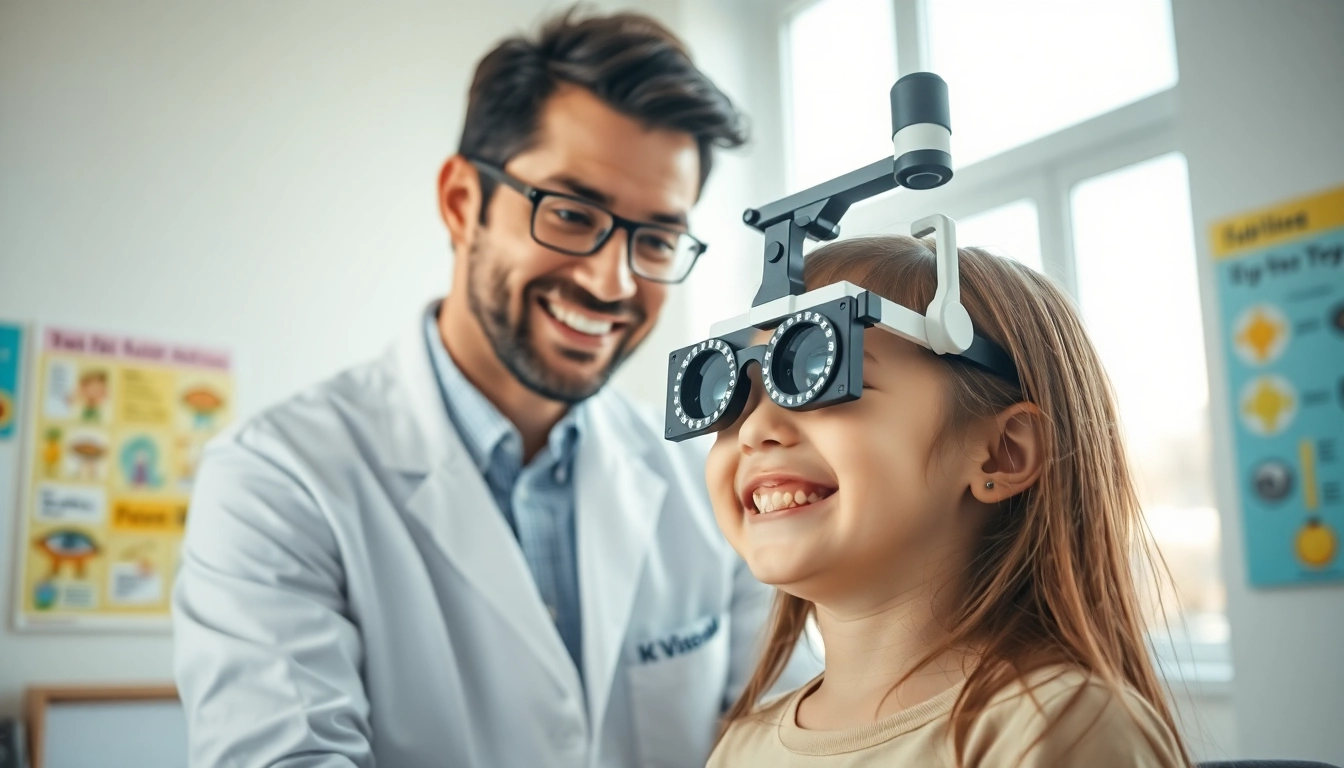
The Importance of Eye Health for Children
Eye health is a critical aspect of overall well-being in children, impacting their quality of life, learning capacity, and social interactions. With increasing evidence demonstrating that millions of children worldwide suffer from vision impairments due to lack of access to eye care, initiatives like Our Children's Vision stand essential to addressing these pressing issues. Understanding the consequences of poor vision and the statistics surrounding children's eye health can help propel changes needed to enhance vision care access.
Understanding Vision Impairment
Vision impairment encompasses a range of visual conditions, from refractive errors such as myopia (nearsightedness) and hyperopia (farsightedness) to more severe issues like blindness. Children may not always recognize their visual limitations, primarily because they have little frame of reference; therefore, adults should remain vigilant. Conditions such as amblyopia (lazy eye) and strabismus (crossed eyes) can hinder a child's development if not identified early.
Furthermore, environmental factors—including excessive screen time, inadequate outdoor activity, and poor nutrition—intensify the risk of vision issues. Addressing and understanding these factors can pave the way for enhanced preventive measures and timely interventions.
Statistics on Children's Vision Issues
Recent statistics indicate alarming trends regarding children's vision health. Approximately 1 in 4 children have an undiagnosed vision problem. Eye-related complications, if left untreated, can lead to long-term effects, impacting not only educational performance but also emotional and social development. According to various studies, vision problems are correlated with lower academic achievement and increased behavioral problems in school.
Globally, it is estimated that 19 million children under the age of 15 are visually impaired, with many suffering from preventable causes. These numbers shed light on the urgent need for widespread vision screening and comprehensive eye care services aimed at children.
The Impact of Poor Vision on Learning
The link between eye health and educational performance cannot be overstated. Children with uncorrected vision problems may find reading, writing, and other educational activities challenging. Studies reveal that these children are at a higher risk of repeating grades and experiencing social integration issues with peers.
Moreover, poor vision significantly affects confidence levels and self-esteem. Children who face difficulties in the classroom due to vision impairments may become withdrawn or exhibit disruptive behavior. Addressing these concerns swiftly through adequate eye care could substantially improve not only their academic results but also their overall quality of life.
Key Eye Care Initiatives: Our Children's Vision
Recognizing the critical need for eye care assessment and treatment in children, initiatives like Our Children's Vision have stepped up their outreach and programming efforts. The goal is simple yet profound: to ensure every child has access to the necessary vision services.
Global Outreach Programs
Our Children's Vision manages multiple global outreach initiatives that aim to deliver eye care services to children in underserved areas. These programs often include vision screening and referral systems, public awareness campaigns, and community involvement.
By collaborating with local health agencies, schools, and non-governmental organizations, these initiatives target regions with limited access to healthcare. Through comprehensive screenings and the establishment of eye-care clinics, millions of children have started to receive the help they desperately need.
Partnerships for Better Eye Care
Strategic partnerships are at the heart of transforming children's eye health. By joining forces with various stakeholders—including healthcare professionals, educational institutions, and community leaders—Our Children's Vision can expand its reach and amplify its educational efforts on vision health.
These partnerships also facilitate the sharing of resources, knowledge, and best practices aimed at improving eye care delivery processes. Additionally, collaborative funding efforts help enhance screening resources and provide treatment options for children, thereby ensuring a holistic approach to children's vision health.
Success Stories and Testimonials
The impact of Our Children's Vision is reflected in numerous success stories. For instance, a child who underwent a routine eye exam as part of an outreach program was diagnosed with severe myopia. Without this check-up, the child would likely have continued struggling academically and socially.
Testimonials from parents highlight their relief and joy upon witnessing their children thrive academically and socially following treatment for vision impairment. These stories serve as a powerful reminder of the transformative effect proper eye care can have on children's lives.
Best Practices for Parents in Promoting Eye Health
As essential as organized initiatives are, parental involvement is crucial in promoting children’s eye health. Parents can implement various best practices to ensure their children's vision is routinely monitored and cared for.
Routine Eye Exams and Their Importance
Routine eye examinations are fundamental for early detection and prevention of vision problems. The American Academy of Pediatrics recommends that children have their first comprehensive eye exam around age 1, followed by additional exams at age 3 and before entering school.
These assessments play a role in identifying refractive errors, eye diseases, and other conditions that could affect a child's ability to learn and develop. An early diagnosis allows for timely treatment, which is typically more effective in younger children.
At-Home Vision Checks
Parents can also carry out at-home vision checks to assess their children's eye health between professional exams. Simple activities such as observing whether a child squints when watching television or experiences difficulty focusing on close tasks can provide clues about potential vision issues.
Interactive tools and resources are available online for caregivers to learn and implement at-home vision checks. Regularly monitoring their child's vision helps foster awareness and can prompt parents to seek professional evaluations when necessary.
Healthy Habits for Kids' Eye Care
Promoting healthy habits concerning eye care is essential for children. Encouraging outdoor time reduces the risk of myopia; studies indicate that spending more time outdoors can significantly affect eye development positively.
A balanced diet rich in nutrients vital for eye health—such as omega-3 fatty acids, vitamins A, C, and E—should also be encouraged. In addition, parents can educate their children to practice the 20-20-20 rule: looking at something 20 feet away for 20 seconds after every 20 minutes of screen time. This can mitigate eye strain associated with prolonged computer use.
Common Eye Conditions in Children
To advocate for better eye health, it's crucial for parents and educators to be knowledgeable about common eye conditions affecting children. Recognizing symptoms early can lead to prompt treatment and better outcomes.
Myopia (Nearsightedness) Trends
Myopia, or nearsightedness, occurs when distant objects appear blurry, while close ones can be seen clearly. The prevalence of myopia among children has been on the rise. Factors contributing to this trend include increased screen time and a lack of outdoor play.
Research indicates that myopia screening and early intervention with corrective lenses or other methods can substantially reduce its impact on a child's educational experience.
Strabismus (Crossed Eyes) Overview
Strabismus, often referred to as crossed eyes, is a condition where the eyes do not align properly, resulting in different focal points. Children may not be aware of this misalignment, which can lead to difficulties with depth perception and hinder social interactions.
It is vital for parents to recognize signs of strabismus, including turning of the head when looking at objects or noticeable misalignment. Treatment options vary from corrective eyeglasses to more extensive surgical interventions, depending on the severity of the condition.
Understanding Amblyopia (Lazy Eye)
Amblyopia, commonly known as lazy eye, occurs when the brain favors one eye over the other, often due to poor vision in the affected eye. This can lead to permanent vision loss if not treated during childhood.
Common treatment measures for amblyopia include patching the stronger eye to encourage the use of the weaker one, vision therapy, or corrective lenses. Early detection is significant, underscoring the necessity of regular eye exams for children.
Future of Children's Eye Health: Trends and Predictions
As we look to the future, advancements in technology, financial support, and awareness campaigns will play pivotal roles in shaping children’s eye health. By adopting an informed perspective, we can facilitate progress and ensure that no child goes without the necessary care.
Technological Advances in Eye Care
Technology is revolutionizing the way eye care is delivered. Innovations like telehealth appointments, mobile eye clinics, and artificial intelligence in diagnostics allow for greater access to vision services, particularly in underserved areas.
Wearable technologies and vision training apps designed to monitor and improve eye health also serve as fantastic tools for both parents and clinicians. Such advances can promote proactive eye care management for children while making it more engaging and accessible.
Financial Support and Resources for Families
Many factors contribute to a family's ability to seek eye care services, including financial constraints. Increasing access to financial support through community programs, insurance initiatives, and non-profit organizations is crucial for enhancing children's access to eye care.
The development of sliding scale fees for eye care services and supportive legislative measures can create broader pathways for families to obtain necessary services without facing crippling costs.
Building Awareness Around Eye Health
Building awareness about the importance of children’s eye health is critical. Designating days, weeks, or even months for vision health advocacy can galvanize communities and bring focus to this essential topic.
Community events can serve as platforms for educational programming on preventive care, direct screenings, and engaging activities to foster interest and awareness in the importance of maintaining eye health from an early age.
The future of children’s eye health will depend largely on the collective efforts of health organizations, parents, educators, and communities alike. By emphasizing accessible, affordable, and comprehensive eye care, we can rewrite the narrative surrounding children's vision and empower a brighter future for health and learning.