Understanding Fly Fishing Kits
Fly fishing is more than just a pastime; it's a precision-based art form that offers anglers the thrill of connecting with nature while showcasing their fishing skills. At the heart of this experience lies a well-curated fly fishing kit. But what exactly constitutes a fly fishing kit, and why is it so important? Let's delve into the essence of fly fishing kits to better understand their significance in your angling journey.
What is a Fly Fishing Kit?
A fly fishing kit generally consists of all the essential equipment an angler needs to start their fly fishing adventure. These kits are tailored for different skill levels, targeting both beginners and seasoned anglers. A starter kit might include basic elements such as a rod, reel, and a selection of flies, while advanced kits may feature specialized equipment that allows for targeted fishing in specific water conditions.
Components of a Fly Fishing Kit
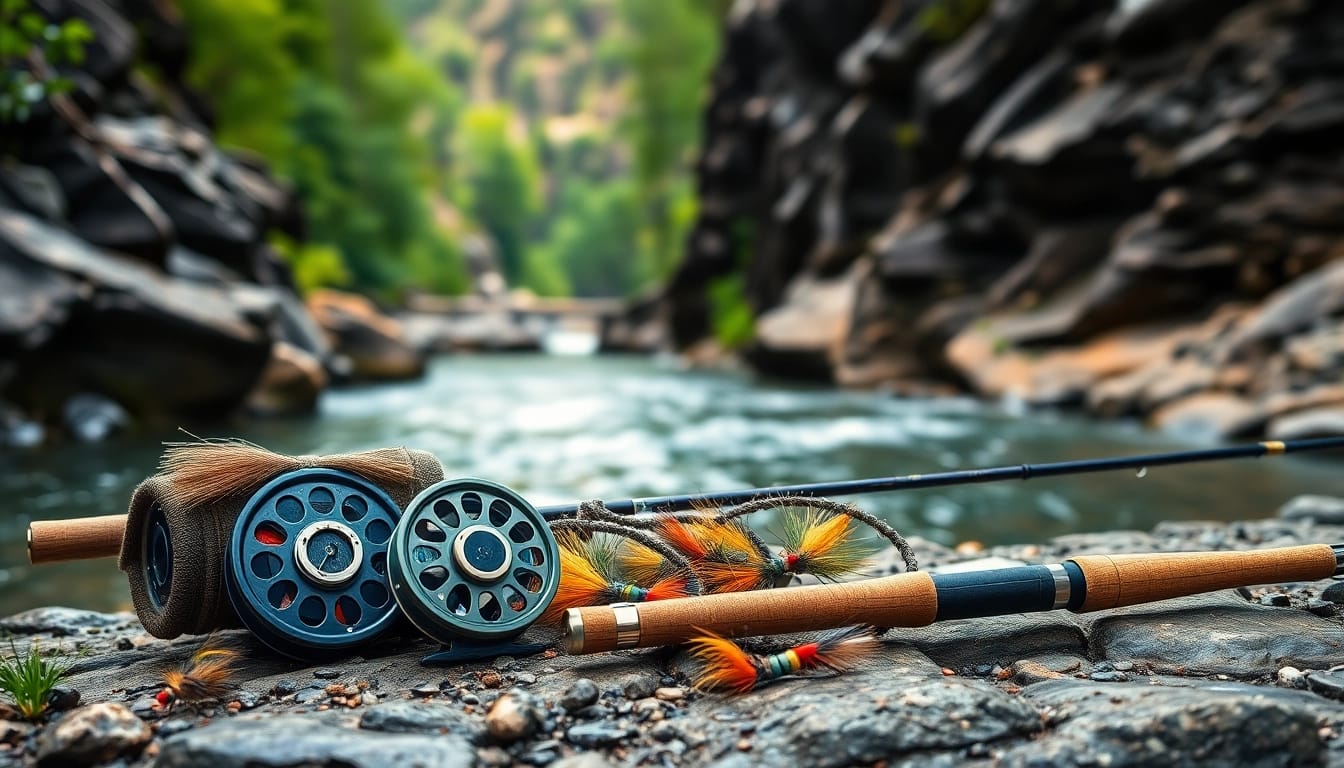
The fundamental components of a fly fishing kit include:
- Rod: The backbone of your setup, influencing casting distance and control.
- Reel: Responsible for line management during casting and landing fish.
- Line: Fly line is thicker and heavier than standard fishing line, enabling the fly to be cast efficiently.
- Flies: Imitative lures that attract fish, available in various patterns representing different aquatic life.
- Accessories: These may include tippets, leaders, nippers, and other tools that enhance the fishing experience.
Why Invest in a Quality Kit?
Investing in a quality fly fishing kit is crucial for several reasons. Firstly, a well-made kit enhances your overall fishing experience. It allows for better performance, increased durability, and improved handling of various fishing conditions. Secondly, a quality kit improves your learning curve; beginners equipped with reliable gear find it easier to master the required techniques. Ultimately, the right fly fishing kit can profoundly affect your love for the sport and your success rates on the water.
Essential Components of a Fly Fishing Kit
Rods and Reels: The Core of Your Kit
The rod and reel combination forms the core of any fly fishing kit. Selecting the right rod involves considering several factors, including length, weight, and action. A 9-foot rod is a standard choice for general freshwater fishing, while shorter rods are better for smaller streams and tight spaces. Similarly, reels vary by drag system and size, which should match the rod’s weight rating.
It's essential for anglers to balance their rod and reel for optimal performance. A mismatched setup can lead to difficulties when casting and reeling in fish, as it affects line tension and overall handling.
Flies: Choosing the Right Options
The choice of flies is vital when it comes to attracting fish. Flies are designed to imitate natural prey that fish forage upon, making their selection a blend of art and science. Common types of flies include:
- Dry Flies: Float on the water's surface, imitating adult insects.
- Wet Flies: Sink just below the surface and mimic nymphs or larvae.
- Streamers: Larger flies that mimic baitfish and can draw in larger species.
It’s advantageous for anglers to research local aquatic species and conditions before selecting flies. Matching the hatch—understanding what insects are prevalent at any given time—can lead to increased success on the water.
Accessories to Enhance Your Experience
Several accessories can improve your fly fishing experience. Key accessories include:
- Tippets and Leaders: These serve to connect your flies to the main line and provide stealth in the water.
- Nippers and Forceps: Tools for cutting line and handling fish safely.
- Vests and Packs: Gear designed to keep your essentials organized, accessible, and dry.
These accessories not only increase convenience while fishing but also add to the efficiency of landing and releasing fish, ensuring a more enjoyable experience.
How to Choose the Best Fly Fishing Kit
Assessing Your Skill Level
Your skill level should play a significant role in determining which fly fishing kit is right for you. Beginners may benefit from starter kits that are designed with user-friendly features at a reasonable price point. These kits often come with all the essential gear needed without overwhelming beginners with advanced equipment. On the other hand, experienced anglers might seek customized kits that cater to specific fishing scenarios, including saltwater fishing or targeting specific species.
Understanding Local Fishing Conditions
Knowledge of local regulations, fish populations, and environmental conditions is vital in selecting the right fly fishing kit. Consider the type of water you will be fishing in—streams, rivers, lakes, or saltwater—each requires specific setups. Additionally, seasonal changes affect the aquatic life, so adjusting your flies and techniques accordingly can dramatically enhance your success rate.
Budgeting for Your Equipment
Setting a budget for your fly fishing kit can be challenging, especially with the variety of options available. While it's tempting to go for the cheapest option, investing in quality gear will yield better results over time. As a baseline, consider allocating funds across key components—rod, reel, flies, and accessories. Remember that your initial investment can set the stage for your long-term fly fishing experience, making it a wise decision to balance cost and quality.
Care and Maintenance for Your Fly Fishing Kit
Cleaning Your Gear After Use
Proper maintenance of your fly fishing equipment is essential for longevity and performance. After each use, rinsing your rod, reel, and lines with fresh water will help remove salt, dirt, and debris that can cause corrosion or reduce the performance of your gear. Use a soft cloth to gently wipe down your rod and reel, paying particular attention to the reel's drag system. Avoid exposing your gear to long periods of direct sunlight or drastic temperature changes, as these can degrade materials over time.
Storing Your Equipment Properly
Storage techniques can drastically impact the lifespan of your fly fishing kit. Store your rod either assembled or disassembled, depending on your space availability, but always in a protective case to prevent damage. Reels should be stored with lines wound properly to avoid tangling or stretching. Keeping your flies in dry, moisture-proof containers will prevent them from becoming soggy and unusable.
Regular Checks and Repairs
Performing regular checks on your gear helps to identify wear and tear before it becomes problematic. Examine your rod guides for cracks, check your reel for smooth operation, and inspect your line for frays or weak spots. Make necessary repairs or replace equipment as needed to ensure optimal performance on the water. A well-maintained kit not only performs better but also saves you money in the long run, as you can avoid frequent replacement costs due to negligence.
Advanced Techniques with Your Fly Fishing Kit
Improving Your Casting Technique
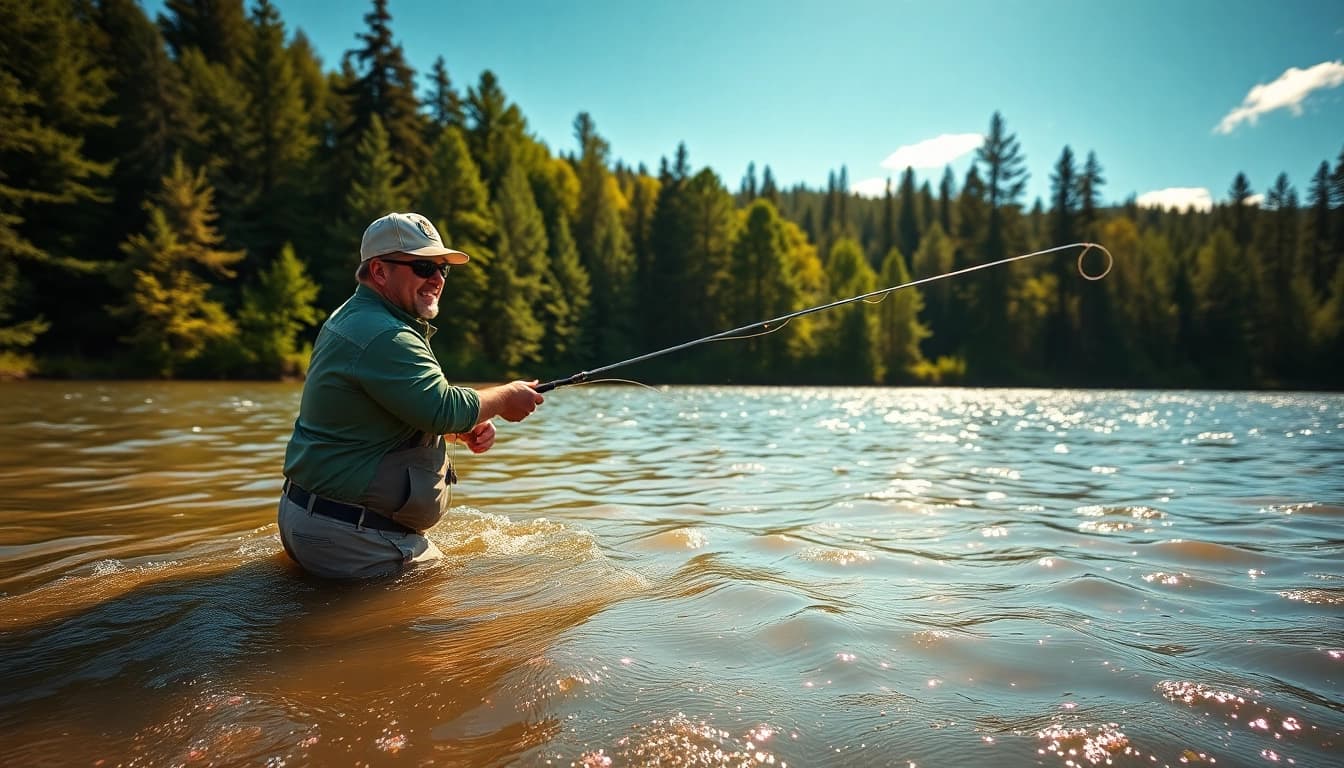
Mastering your casting technique can significantly affect your success in fly fishing. Start with the basics of the casting motion, utilizing your wrist and arm to create a smooth effortless stroke. Incorporating a double haul can help you generate more line speed and distance, allowing for better presentation of your flies. Practice in different conditions to adjust your technique for wind, current, and varying distances.
Matching the Hatch: Fly Selection Strategies
Understanding the concept of "matching the hatch" is crucial for effective fly selection. Observe the water for any hatching insects and take note of their size, color, and behavior. Having a diverse fly box organized by category—dry flies, nymphs, and streamers—will allow you to react quickly to changing conditions and enhance your chances of attracting fish. Additionally, look into seasonal hatches unique to your fishing area, as they can greatly influence fish behavior.
Experimenting with Different Environments
One of the beauties of fly fishing is the variety of environments you can explore. Each ecosystem presents unique challenges and opportunities, from freshwater lakes to saltwater flats. Experimenting with different locations can help you understand how fish behave in various conditions, and which techniques and flies are most effective. This not only hones your skill set but also expands your appreciation for the sport and the natural world around you.