
Depression is more than just feeling sad occasionally. Many people experience persistent low moods that affect their daily lives. Recognizing Depression symptoms early is crucial for recovery. At Calm Minds Hub, we aim to simplify mental health knowledge, making it practical and easy to apply. Understanding depression symptoms and adopting real-world recovery strategies can help improve emotional well-being and overall quality of life.
Understanding Depression Symptoms
Depression can manifest in many ways, and its symptoms are often unique to each person. Being aware of these signs is the first step in addressing mental health challenges effectively.
Emotional Symptoms
- Persistent sadness or a sense of emptiness
- Frequent irritability or mood swings
- Loss of interest in hobbies and activities that were once enjoyable
- Feeling hopeless, worthless, or guilty without a clear reason
- Emotional numbness, difficulty expressing feelings
For example, someone who used to enjoy painting or playing sports might suddenly lose interest and feel indifferent toward activities they once loved.
Physical Symptoms
- Chronic fatigue or lack of energy
- Changes in sleep patterns, including insomnia or excessive sleeping
- Appetite changes, leading to weight loss or gain
- Unexplained aches and pains, such as headaches or back pain
- Slowed physical movements or speech
Imagine a high school student who sleeps for 12 hours but still feels exhausted throughout the day. This fatigue may be a physical symptom of depression.
Cognitive Symptoms
- Difficulty concentrating or making decisions
- Memory problems or forgetfulness
- Negative thinking patterns
- Slower reaction times or inability to focus on tasks
A common example is a student struggling to complete homework due to persistent negative thoughts and difficulty focusing.
Behavioral Symptoms
- Social withdrawal or avoiding friends and family
- Reduced productivity at school or work
- Neglecting personal hygiene or daily responsibilities
- Increased use of alcohol or drugs to cope
Behavioral changes often indicate that someone is struggling internally, even if they appear fine on the surface.
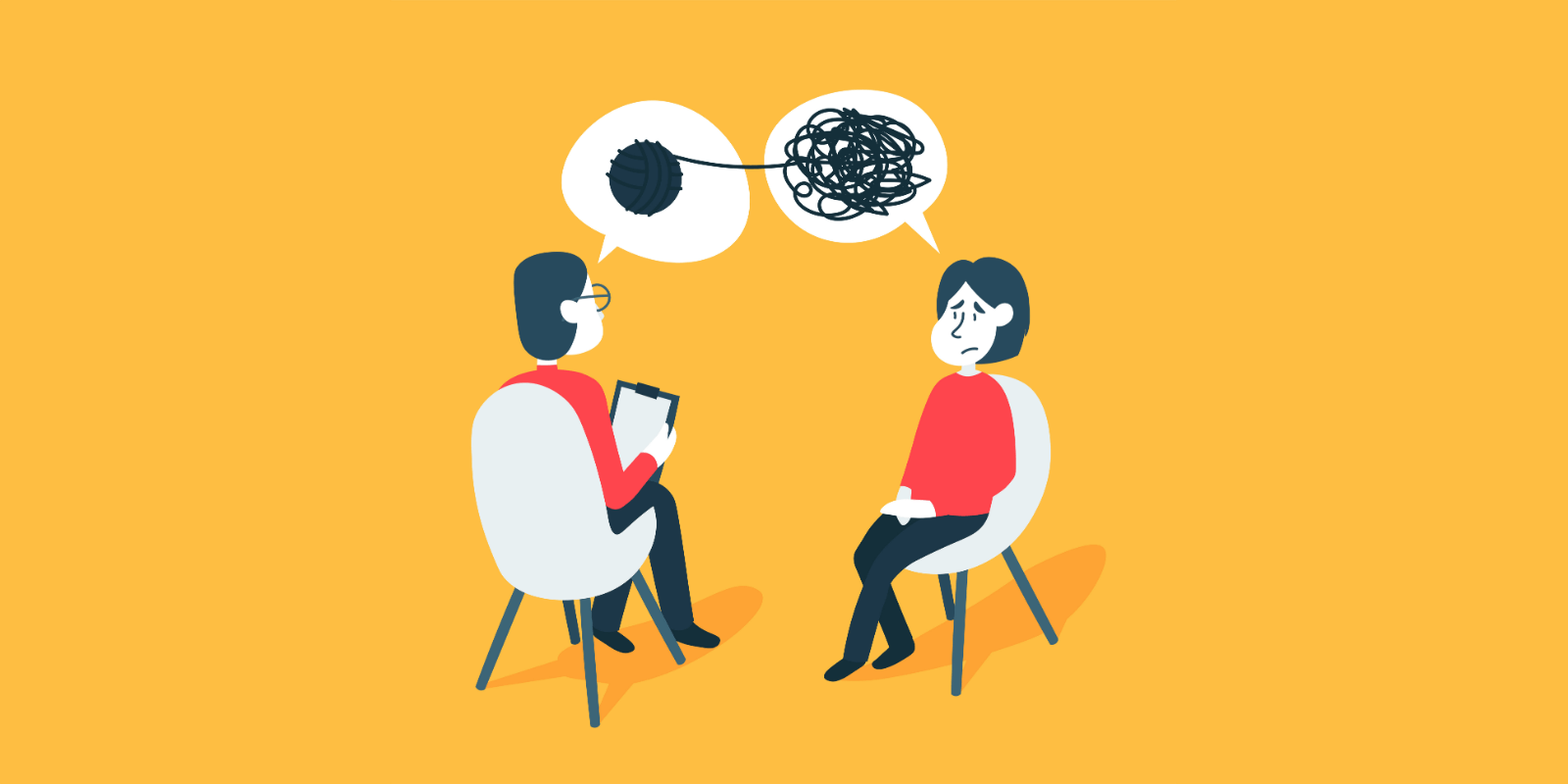
Real-World Recovery Tips for Depression
Recovering from depression requires a combination of professional support, lifestyle changes, and self-care strategies. These methods are practical and can be incorporated into daily life.
Seek Professional Help
- Consulting a licensed therapist or counselor is essential.
- Psychiatrists can prescribe medications if necessary.
- Support groups can provide encouragement and reduce feelings of isolation.
For instance, Sarah, a young adult experiencing severe depression symptoms, found relief after joining a weekly therapy group and discussing her experiences with peers who understood her struggles.
Build a Supportive Environment
- Surround yourself with understanding friends and family.
- Communicate openly about your feelings without fear of judgment.
- Limit interactions with people or situations that worsen your mood.
Even small actions, like calling a friend for a 10-minute chat, can significantly reduce feelings of loneliness.
Establish Healthy Routines
- Maintain consistent sleep patterns, aiming for 7–9 hours of sleep each night.
- Eat balanced meals to provide energy and support brain health.
- Incorporate daily physical activity, such as walking, yoga, or swimming.
Regular routines can help regulate mood and increase a sense of control over daily life.
Practice Mindfulness and Relaxation Techniques
- Meditation and deep-breathing exercises can reduce stress and improve mental clarity.
- Journaling allows expression of emotions and identification of negative thought patterns.
- Mindful activities, such as gardening or painting, promote calmness and focus.
For example, writing down three positive experiences each day, no matter how small, can gradually improve mood over time.
Set Achievable Goals
- Break larger tasks into smaller, manageable steps.
- Celebrate small accomplishments to build self-esteem.
- Avoid overloading yourself with unrealistic expectations.
A high school student struggling with homework might start by completing one subject at a time instead of trying to finish everything at once.
Avoid Harmful Coping Mechanisms
- Limit alcohol or drug use, which can worsen depression symptoms.
- Avoid isolating yourself completely; even small social interactions matter.
- Seek help immediately if you experience thoughts of self-harm.
Engage in Activities That Promote Joy
- Rediscover hobbies or try new ones that spark interest.
- Volunteer or help others, which can boost mood and self-worth.
- Spend time outdoors, as natural light and fresh air positively impact mental health.
Real-life case studies show that patients who regularly engage in enjoyable activities experience reduced depression symptoms over time.
When to Seek Immediate Help
While mild depression symptoms can often improve with self-care, certain signs require urgent attention:
- Thoughts of self-harm or suicide
- Inability to function at school, work, or home
- Severe mood swings or extreme agitation
- Sudden changes in behavior or personality
If any of these symptoms occur, contact a mental health professional or crisis line immediately.
Maintaining Long-Term Recovery
Recovering from depression is an ongoing process. Long-term strategies can help prevent relapses and support emotional health:
- Continue therapy or counseling sessions as recommended
- Maintain healthy sleep, diet, and exercise habits
- Stay connected with supportive friends and family
- Practice mindfulness and stress management regularly
- Set realistic goals and celebrate achievements consistently
Recovery is a journey, not a destination. Each small step contributes to overall well-being and resilience.
Conclusion
Recognizing depression symptoms early is essential for effective management and recovery. Emotional, physical, cognitive, and behavioral signs all play a role in understanding the condition. By combining professional support, healthy routines, mindfulness practices, and supportive relationships, individuals can significantly improve their mental health. Remember, recovery is possible, and seeking help is a sign of strength, not weakness. At Calm Minds Hub, we believe that with knowledge, practical strategies, and kindness, anyone can navigate the challenges of depression and achieve emotional wellness. Your next great read is waiting on our homepage—check it out now.
FAQs
What are the common depression symptoms to look out for?
Common depression symptoms include persistent sadness, irritability, loss of interest in activities, fatigue, changes in sleep or appetite, difficulty concentrating, social withdrawal, and feelings of hopelessness or guilt.
How can lifestyle changes help with depression recovery?
Lifestyle changes, such as maintaining a healthy sleep schedule, regular physical activity, balanced nutrition, mindfulness practices, and engaging in hobbies, support mental well-being and reduce depression symptoms over time.
When should I seek professional help for depression?
Seek professional help if depression symptoms persist for more than two weeks, interfere with daily life, or involve thoughts of self-harm. Early intervention improves recovery outcomes and overall mental health.