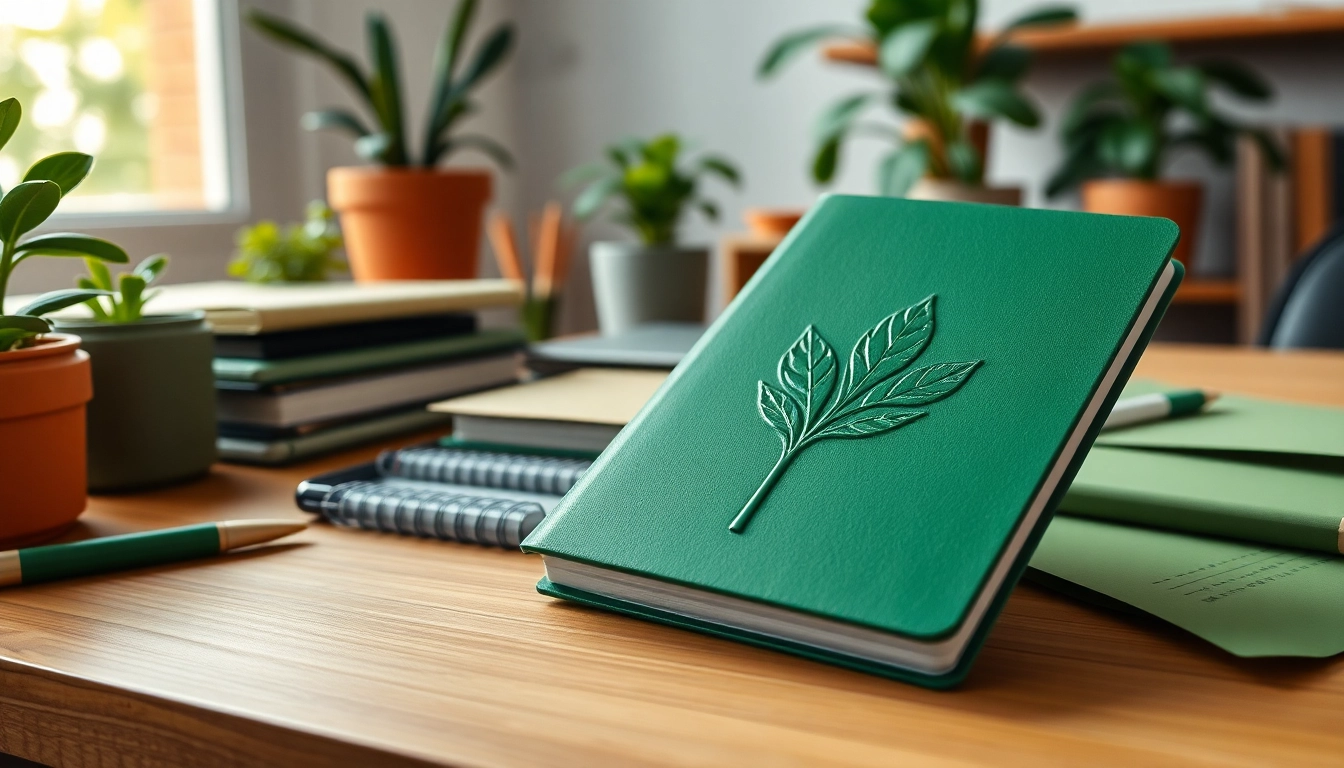
Introduction to Green Stationery
As our world faces pressing environmental challenges, the demand for sustainable solutions grows evermore critical. Among these solutions, green stationery emerges as a vital component of creating eco-conscious workspaces. Green stationery embodies a commitment to using materials and practices that minimize environmental impact. Whether it’s made from recycled products or sourced from sustainable materials, this sector is designed to meet the needs of individuals and businesses aiming to reduce their ecological footprint. Integrating green stationery into daily practices not only promotes sustainability but reflects a modern approach to conscientious consumption.
Definition and Importance of Green Stationery
Green stationery encompasses a wide range of products including notebooks, writing instruments, and office supplies that incorporate environmentally-friendly practices in their production. The importance of embracing green stationery cannot be overstated. As more consumers recognize the urgency of climate change, opting for eco-friendly alternatives becomes a way to reflect personal values and contribute positively to the planet. Green stationery represents a shift toward responsible consumption and encourages brands to commit to sustainable practices by prioritizing eco-friendly materials and ethical manufacturing processes.
Benefits of Choosing Green Stationery
Choosing green stationery comes with numerous benefits that extend beyond the immediate transaction. Here are some key advantages:
- Environmental Protection: Opting for recycled or sustainably-sourced materials helps preserve natural resources and reduce waste. This choice can significantly lower the carbon footprint associated with production.
- Health and Safety: Many green stationery products are free from toxic chemicals, making them safer for both producers and end-users, thereby promoting a healthier workplace.
- Brand Reputation: Organizations that prioritize sustainability often see improvements in their public perception. Consumers are increasingly drawn to brands that demonstrate corporate social responsibility.
- Cost Savings: In the long run, choosing eco-friendly materials can lower costs associated with waste management and energy consumption, making sustainable practices economically viable.
Trends in Eco-Friendly Stationery
The landscape of green stationery is continuously evolving, with an influx of innovative products and practices. Current trends include:
- Biodegradable Materials: Products made from materials that biodegrade naturally are gaining popularity. This reduces long-term waste and aligns with consumer preferences for environmentally-friendly options.
- Minimalistic Design: Aesthetic simplicity not only appeals to consumers but also lends itself to materials usage efficiency, thereby benefiting the environment.
- Customization and Personalization: As companies strive to stand out, customizable green stationery options have emerged, allowing consumers to choose products that reflect personal style while supporting sustainability.
- Plantable Paper: Unique offerings such as seed-infused paper that can be planted after use are becoming more common, further integrating ecological practices into everyday stationery.
Types of Green Stationery Products
Recycled Paper Options
Recycled paper forms the backbone of green stationery. By using post-consumer recycled materials, manufacturers can significantly reduce the need for virgin resources. Types of recycled paper options include:
- Stationery Paper: Ideal for letters, notes, and branding, recycled stationery paper offers excellent quality for various uses.
- Envelopes: Recycled envelopes complement stationery, promoting a cohesive and sustainable communication style.
Brands often emphasize that their recycled paper options are made without compromising quality. This broadens the possibilities for businesses and individuals seeking sustainable options without sacrificing functionality.
Bespoke Printing Solutions
Custom printing on eco-friendly materials is another flourish in the world of green stationery. Bespoke solutions allow individuals and businesses to create unique products while maintaining sustainable practices. Key points about bespoke printing include:
- Reduced Waste: Customized print runs can be managed more effectively to minimize surplus and waste, ensuring that products are only made based on demand.
- Unique Branding Opportunities: Businesses can showcase their commitment to sustainability through bespoke stationery that highlights eco-friendliness in their branding.
Eco-Friendly Writing Instruments
Writing instruments have seen a sustainable renaissance with options that include biodegradable pens, recycled plastics, and refillable versions. Considerations when choosing eco-friendly writing instruments include:
- Material Composition: Look for pens made from recycled materials or sustainably-sourced wood, which contribute less to deforestation.
- Durability and Lifespan: Selecting longer-lasting writing instruments reduces replacement frequency, minimizing waste.
Sourcing and Selecting the Best Green Stationery
Understanding Certifications and Labels
When sourcing green stationery, understanding certifications can help consumers make informed choices. Look for labels such as:
- FSC Certification: Indicates that the paper has been sourced from forests that are responsibly managed.
- Post-Consumer Content: Signals that a portion of the material was made from previously used products, reducing waste.
Evaluating Product Quality
Quality evaluation is crucial when selecting green stationery. Check for:
- Durability: Ensure the products can withstand regular use, particularly for stationery that sees daily wear.
- Print Quality: For printed products, ensure color vibrancy and clarity meet expectations.
Comparative Price Analysis
While green stationery may sometimes carry a premium price, it is essential to perform a comparative analysis, examining:
- Long-term Value: Consider cost over the lifespan of the product rather than just initial expenditure.
- Bulk Savings: Many suppliers offer discounts on larger orders, incentivizing businesses to invest in sustainable stationery.
Implementing Green Stationery in Your Office
Creating an Eco-Friendly Workspace
Transforming an office into an eco-friendly environment begins with the integration of green stationery. Steps to implement this include:
- Audit Existing Supplies: Identify areas where traditional supplies can be converted to green alternatives.
- Set Up a Recycling Program: Ensure that any waste produced during daily operations is recycled appropriately.
Encouraging Sustainable Practices Among Employees
Incorporating green stationery is just one element of a broader sustainability strategy. Encourage employee engagement by:
- Hosting Workshops: Educating employees about the benefits of using green products fosters a culture of sustainability.
- Rewarding Eco-Friendly Behavior: Incentives for those who actively participate in promoting sustainable practices can enhance their commitment to the company's goals.
Measuring Impact and Performance
To determine the effectiveness of green stationery initiatives, organizations should track key performance metrics, including:
- Waste Reduction: Measure the decrease in waste generation associated with adopting green stationery.
- Employee Satisfaction: Conduct surveys to gauge employees' acceptance and appreciation of eco-friendly changes. This feedback can guide future initiatives.
Case Studies and Real-Life Examples
Successful Businesses Using Green Stationery
Numerous organizations have successfully integrated green stationery into their operations, showcasing how sustainability can blend seamlessly with brand identity. Examples include:
- Small Startups: Many small businesses add value to their brand by adopting green stationery practices, distinguishing themselves in their markets.
- Large Corporations: By implementing company-wide green initiatives, large organizations can significantly scale their sustainability impact.
User Testimonials and Feedback
User testimonials can provide valuable insights into the benefits experienced from switching to green stationery. Positive feedback often highlights improvements in brand image and employee morale, as well as reduced environmental footprint.
Innovative Ideas for Green Stationery Usage
Creative usage of green stationery can significantly enhance both functionality and sustainability in the workspace. Consider these innovative ideas:
- Joint Projects: Collaborate on projects using various green materials, encouraging teamwork while promoting sustainability.
- Creative Workshops: Host events where employees can explore artistic and creative applications of green stationery, fostering engagement.