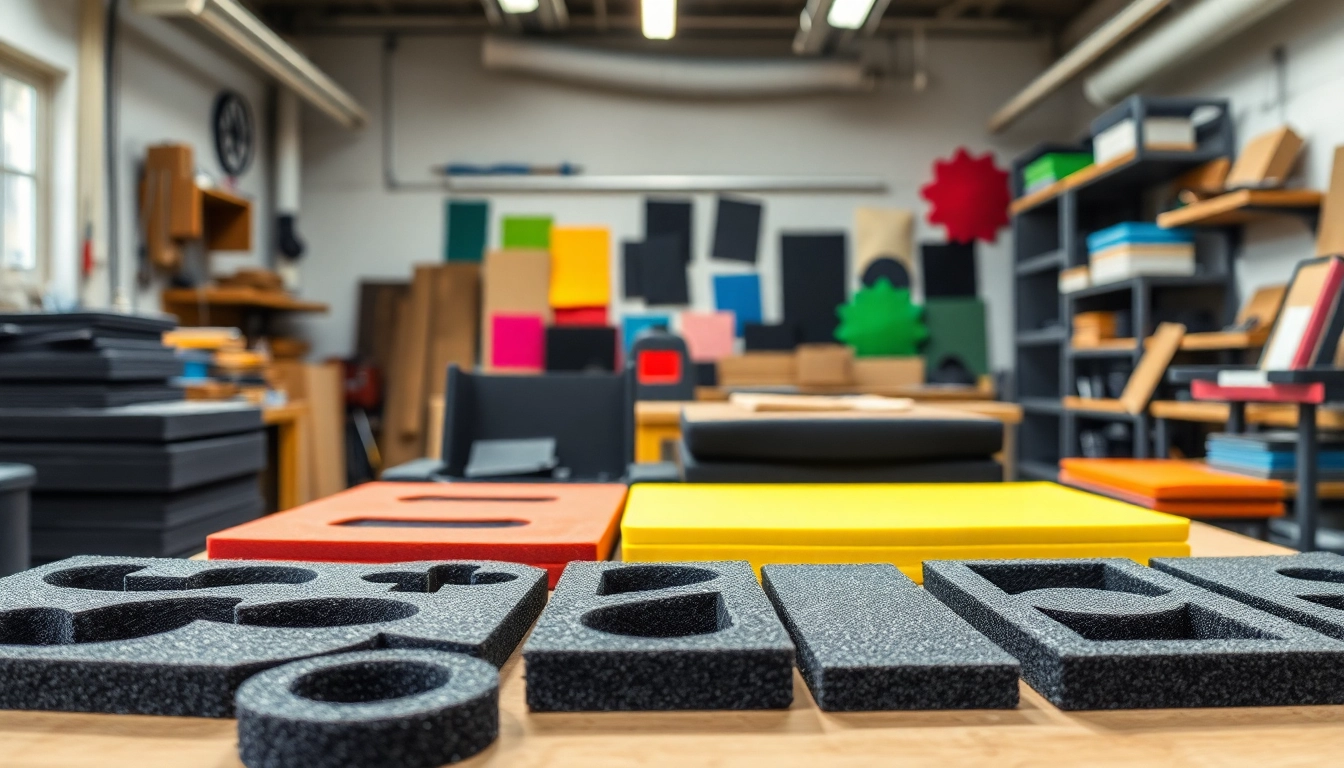
Understanding Custom Foam Inserts
What Are Custom Foam Inserts?
Custom foam inserts are specifically designed foam cutouts tailored to fit and protect various items, ensuring they remain secure during transport or storage. These inserts are utilized across multiple industries, including electronics, medical, automotive, and retail. By utilizing a precise fit, custom foam inserts minimize movement and potential damage to valuable equipment or delicate items, offering both organization and defense.
Essentially, a custom foam insert is a structured layer of foam that cradles individual items, allowing for a more efficient packing solution. They are commonly produced from various types of foam materials, tailored to meet specific protection requirements. For more insights on the intricacies of foam designs, check out Custom Foam Inserts.
Types of Custom Foam Inserts
There are several types of custom foam inserts designed for different applications. Here are the most common varieties:
- Pick and Pull Foam: This type features a grid structure allowing users to easily remove foam cubes to create a container that fits their items perfectly.
- Die-Cut Inserts: Precisely cut to match the shape of specific items, these inserts provide optimal protection and are typically used for high-value applications.
- Soft Foam Liners: Designed to cushion delicate electronics, soft liners offer impact absorption while ensuring that items remain undisturbed.
- Hard Foam Cases: These offer a durable, protective layer, ideal for cases that need to withstand rough handling and environmental conditions.
Benefits of Using Custom Foam Inserts
The implementation of custom foam inserts in packaging offers numerous benefits, including:
- Enhanced Protection: They provide a tailored fit that secures items, reducing the risk of damage caused by movement or impact.
- Improved Organization: Foam inserts allow you to store items in a structured manner, which simplifies inventory management and retrieval.
- Cost Efficiency: By ensuring that items are adequately protected, custom foam inserts can reduce costs associated with product replacement or repair.
- Professional Presentation: Companies often utilize custom foam inserts in retail packaging, enhancing the unboxing experience for customers.
Choosing the Right Material
Foam Density Explained
Foam density significantly impacts the performance of custom foam inserts. Ranging from soft to firm options, density affects compression resistance, durability, and overall cushioning characteristics. For instance, higher density foams generally provide superior protection against impact for heavier items. Thus, selecting the right density is crucial to match the foam's application requirements, ensuring optimal performance and protection.
Open Cell vs. Closed Cell Foam
The choice between open cell and closed cell foam depends on the specific needs of the application:
- Open Cell Foam: Known for its light weight and flexibility, open cell foam absorbs shock effectively but is less resistant to moisture and environmental conditions.
- Closed Cell Foam: Typically denser and moisture-resistant, closed cell foam is suitable for outdoor uses or applications where protection from water or chemicals is required.
Both types have advantages and disadvantages, necessitating consideration based on the intended use of the foam insert.
Environmental Considerations
As sustainability becomes increasingly vital, considerations surrounding the environmental impact of materials used in custom foam inserts are essential. Many manufacturers prioritize eco-friendly materials, with options available made from recycled content or biodegradable solutions. When selecting materials, consider not only their protective qualities but also their environmental influence, contributing to greater sustainability in packaging practices.
Designing Your Custom Foam Inserts
Measuring Items for Inserts
Accurate measuring is the cornerstone of designing effective custom foam inserts. Be sure to account for dimensions, including length, width, height, and any irregular shapes. Use calipers, rulers, and templates to ensure precision in measurements, providing a snug fit for each item. Remember that even slight discrepancies can lead to compromised protection and organization.
Software Tools for Design
Utilizing design software can streamline the process of creating custom foam inserts. Many platforms offer user-friendly interfaces for designing inserts where users can input specific measurements and visualize cutouts in three dimensions. Some tools also allow for 3D rendering, providing a clearer picture of how the insert will appear once manufactured.
Common Design Mistakes to Avoid
When designing custom foam inserts, avoid these frequent pitfalls:
- Insufficient Padding: Ensure adequate padding is included, especially for fragile items.
- Ignoring Functional Needs: Consider the item usage; if items will be frequently removed, design with accessibility in mind.
- Inaccurate Measurements: Double-check measurements to prevent misfits and wasted materials.
Applications of Custom Foam Inserts
Use Cases in Different Industries
Custom foam inserts find utility across a variety of industries:
- Medical: They protect sensitive equipment and ensure efficient organization within mobile medical cases or sterile environments.
- Electronics: Essential for safeguarding delicate gadgets, custom inserts are widely used in packaging for laptops, phones, and other electronic devices.
- Retail: Custom inserts improve presentation while ensuring items remain undamaged during distribution and delivery.
Custom Foam Inserts for Packing
In packaging, custom foam inserts enhance protection for shipments. They minimize movement of the contents within boxes, ensuring products reach their destination undamaged. Opting for inserts tailored to each product guarantees more efficient use of packing materials, often resulting in reduced shipping costs due to optimizing box sizes and minimizing empty space.
Foam Inserts for Electronics and Fragile Items
The electronics industry particularly benefits from custom foam inserts. Given the fragility of devices such as tablets and laptops, using tailored inserts can significantly reduce the risk of damage during transport. By encapsulating devices tightly, these inserts absorb shocks and vibrations, providing much-needed protection during movement.
Maintaining and Evaluating Your Inserts
How to Inspect Foam Inserts
Regular inspections of foam inserts are vital for ensuring their continued performance. Check for wear and tear, signs of compression, and any loss of shape. If foam appears overly compressed, it may signify the need for replacement to maintain optimal protection.
Cleaning and Care Tips
To extend the lifespan of foam inserts, it’s important to handle them properly. Avoid immersing foam in water—use a damp cloth to wipe clean when necessary. Additionally, store foam inserts in a climate-controlled environment to prevent degradation from temperature fluctuations and humidity.
When to Replace Custom Foam Inserts
Recognizing the right time to replace foam inserts is key. Signs include visible wear, loss of cushioning properties, or degradation in protection capabilities. To maintain the integrity of your items, replace inserts once they show significant signs of damage or when their performance starts to decline.
FAQs
1. How can I customize my foam inserts?
You can customize foam inserts by selecting the shape, size, and density required for your items. Tools and templates can aid in designing the exact fit.
2. Are custom foam inserts expensive?
Pricing varies based on material and design complexity, but many options exist to fit different budgets.
3. Can custom foam inserts be made for any item?
Yes, as long as you provide the proper measurements and design specifications, inserts can be tailored for virtually any item.
4. How long do custom foam inserts last?
With proper care, foam inserts can last several years. Material quality plays a significant role in their longevity.
5. Are there eco-friendly options for foam inserts?
Yes, many manufacturers offer eco-friendly foam options made from sustainable materials or recycled content.