
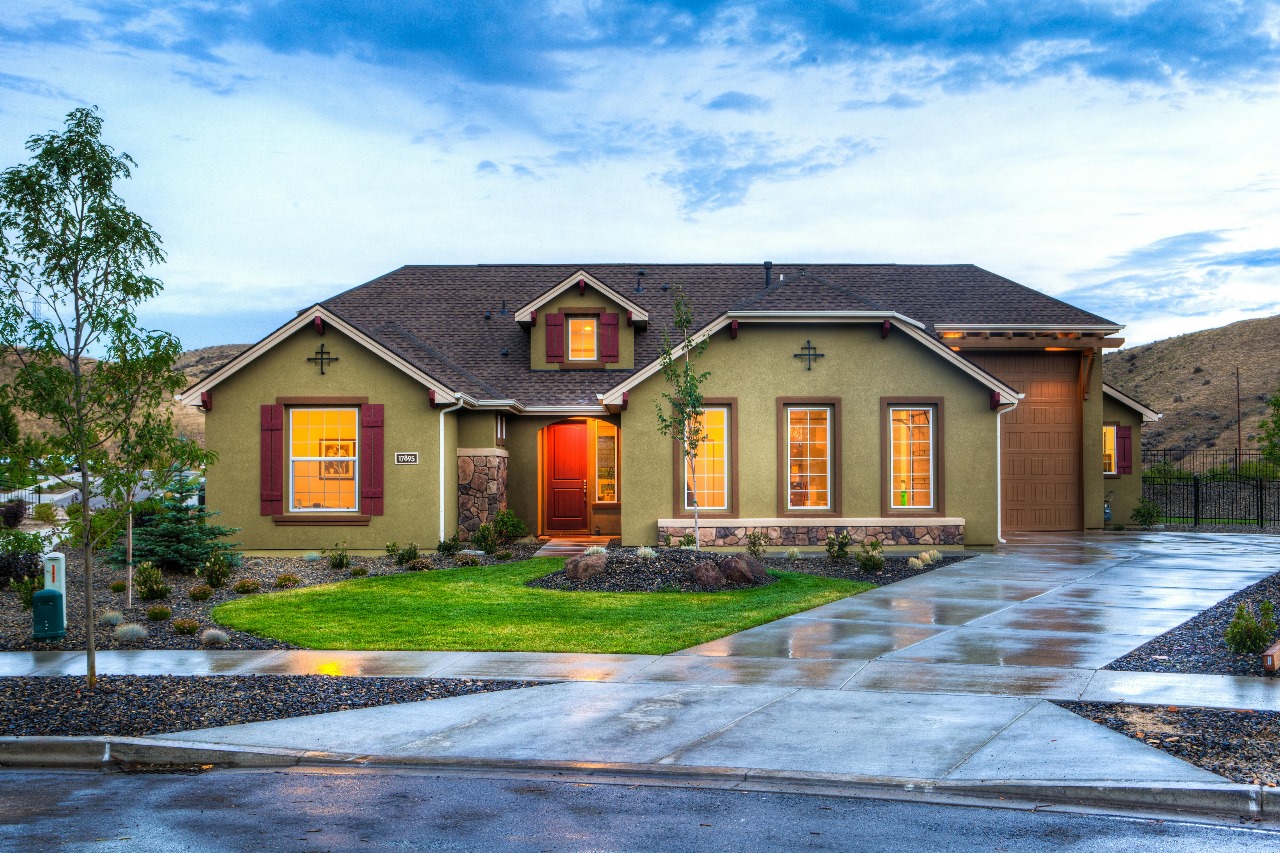
When it comes to choosing siding for your home, two popular options dominate the market: Hardie board and vinyl siding. Each material has unique advantages and considerations depending on your climate, budget, and maintenance preferences. This guide will help you make an informed decision for your home with a detailed comparison.
What is Hardie Board?
Hardie board, also known as fiber cement siding, is made from a mixture of cement, sand, and cellulose fibers. This combination creates a durable and long-lasting siding option that can withstand harsh weather conditions. Hardie board comes in various textures and styles, mimicking wood, stucco, or stone finishes, making it versatile for different architectural designs.
What is Vinyl Siding?
Vinyl siding is made from polyvinyl chloride (PVC) and is a popular choice for homeowners looking for low-maintenance, affordable options. Vinyl siding comes in various colors and textures, offering flexibility in design. It is lightweight, easy to install, and resistant to pests, but its durability can vary based on climate exposure.
Durability Comparison
When comparing Hardie board vs. vinyl siding, durability is a major factor. Hardie board is known for its resistance to fire, moisture, and insects. It can last up to 50 years with proper maintenance, making it an excellent long-term investment. Vinyl siding is generally less durable than Hardie board, with a lifespan of 20-40 years. It can crack, warp, or fade under extreme heat or cold, which may be a concern depending on your climate.
Climate Considerations
Your local climate plays a critical role in siding performance. Hardie board performs exceptionally well in areas with heavy rainfall, snow, or high humidity due to its moisture-resistant properties. It does not rot or warp like wood and can withstand severe weather better than vinyl. Vinyl siding, on the other hand, can expand and contract with temperature fluctuations. In very hot climates, vinyl siding may warp, while in colder regions, it may become brittle and crack.
Maintenance Requirements
One of the significant advantages of vinyl siding is its low maintenance. It typically only requires occasional cleaning with soap and water. Hardie board, while more durable, requires periodic painting and sealing to maintain its appearance and protect it from moisture. However, this extra maintenance ensures that Hardie board lasts longer and retains its structural integrity over time.
Aesthetic Appeal
Both siding options offer aesthetic versatility. Hardie board provides a premium look with a wide range of textures that mimic natural materials like wood and stone. It can significantly enhance curb appeal and increase property value. Vinyl siding offers many colors and styles but may not achieve the same realistic textures as Hardie board. For homeowners seeking a more natural or upscale appearance, Hardie board is often the preferred choice.
Cost Comparison
Cost is always a consideration. Vinyl siding is generally less expensive upfront, both in materials and installation. Hardie board costs more initially due to its durable composition and heavier material, which requires skilled labor for installation. However, considering longevity and maintenance, Hardie board may offer better long-term value compared to vinyl siding.
Energy Efficiency
Another factor to consider is energy efficiency. Hardie board can provide better insulation when combined with proper house wrap and insulation, helping to regulate indoor temperatures. Vinyl siding offers some insulation benefits but is generally less effective at maintaining energy efficiency, especially in extreme climates.
Environmental Impact
For environmentally conscious homeowners, Hardie board is made from natural materials and is more sustainable than vinyl siding, which is petroleum-based. Additionally, Hardie board’s long lifespan reduces the need for frequent replacement, lowering environmental impact over time.
Installation Process
The installation process varies significantly. Vinyl siding is lightweight and easier to install, making it a popular choice for DIY projects. Hardie board is heavier and requires specialized tools and professional installation to ensure proper alignment and weatherproofing. Proper installation is crucial for maximizing the durability and lifespan of Hardie board.
Conclusion: Hardie Board vs. Vinyl Siding
Choosing between Hardie board and vinyl siding ultimately depends on your climate, budget, and long-term goals. Hardie board excels in durability, aesthetic appeal, and performance in extreme weather conditions, making it ideal for areas with heavy rain, snow, or temperature fluctuations. Vinyl siding is a cost-effective, low-maintenance option suitable for moderate climates and homeowners looking for simplicity and affordability.
For homeowners prioritizing longevity, protection, and design flexibility, Hardie board is often the superior choice. Understanding your climate and maintenance preferences will guide you in selecting the siding that best suits your home, ensuring both beauty and durability for years to come.