Understanding Steel Structure Design
What is Steel Structure Design?
Steel structure design refers to the process of creating buildings and other structures utilizing steel as the primary material. This design method takes into account various factors, including structural integrity, safety, aesthetic appeal, and sustainability. Steel, known for its high strength-to-weight ratio, plays a critical role in modern construction, allowing for more flexible and innovative architectural designs. Additionally, steel's recyclability makes it a popular choice for eco-friendly construction practices. Properly executed, steel structure design seamlessly integrates beauty and functionality while adhering to engineering standards.
Benefits of Using Steel in Construction
The utilization of steel in construction offers numerous advantages, making it a preferred choice among architects and engineers. Some key benefits include:
- Durability: Steel structures can withstand harsh weather conditions and do not suffer from issues like rot, mold, or insect infestation, ensuring long-term reliability.
- Flexibility and Strength: With a high strength-to-weight ratio, steel can support substantial loads, allowing for open spaces and flexible layouts.
- Sustainability: Steel is fully recyclable, making it an environmentally friendly choice that reduces waste and promotes sustainable practices.
- Speed of Construction: Pre-fabricated steel components can significantly reduce construction time, allowing projects to be completed more efficiently.
- Cost-Effectiveness: Although initial costs may be higher than other materials, the longevity and low maintenance costs of steel make it a cost-effective choice in the long term.
Key Components of Steel Structures
Understanding the key components of steel structures is crucial for effective design. These components work in unity to provide structural stability and integrity:
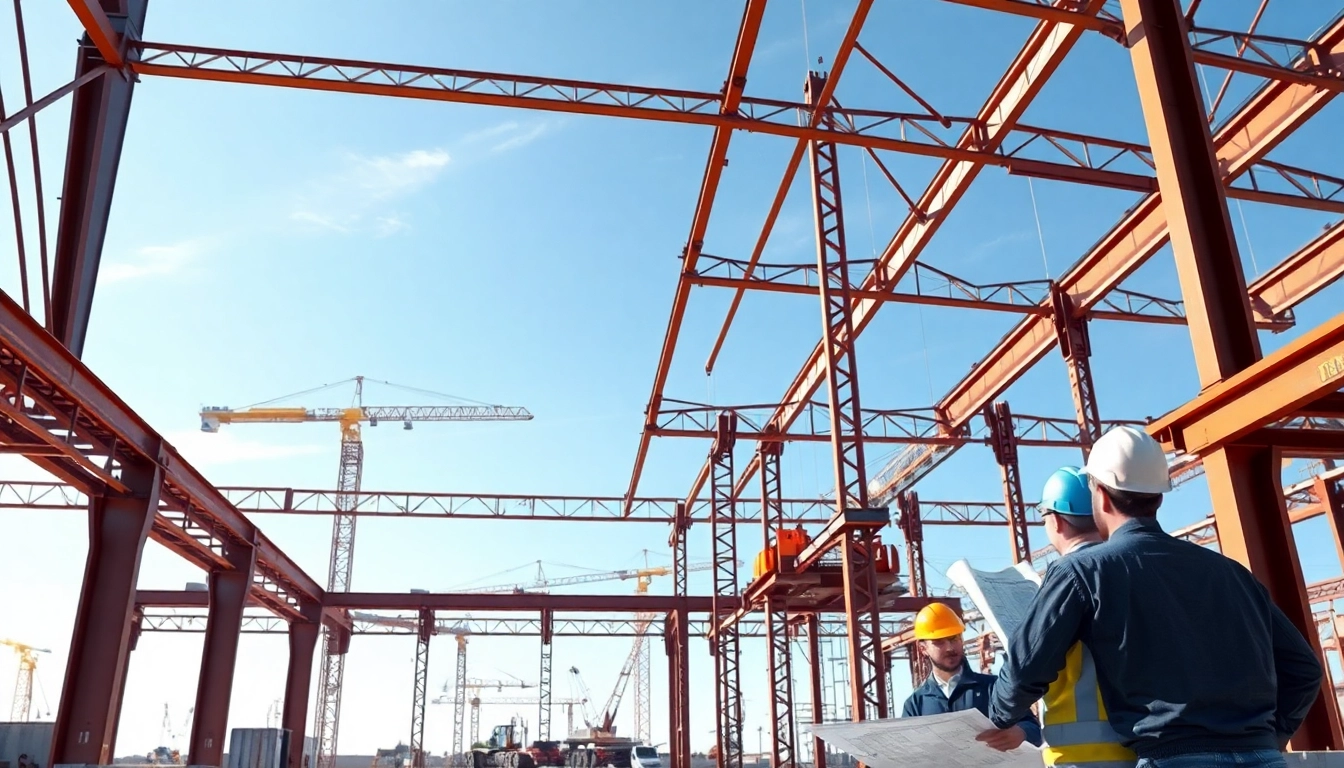
- Beams: Horizontal members that support vertical loads and structural framework.
- Columns: Vertical support members that transfer loads from beams to foundations.
- Trusses: Frameworks composed of triangular units that distribute loads efficiently across a structure.
- Connections: Welds, bolts, or rivets that join various steel components together, essential for maintaining structural integrity.
- Bracing: Diagonal elements that protect against lateral loads, providing stability against wind or earthquakes.
Design Considerations for Steel Structures
Load-Bearing and Structural Integrity
In steel structure design, understanding load-bearing capabilities is vital for ensuring structural integrity. Designers must consider the types of loads the structure will endure, including:
- Dead Loads: Permanent static forces from the weight of the structure itself.
- Live Loads: Temporary dynamic forces from occupants, furniture, or equipment.
- Environmental Loads: Forces resulting from wind, snow, or seismic activity, which can significantly impact a structure's safety and longevity.
Effective load-bearing analysis involves calculating the stresses and strains on structural elements using various engineering principles and advanced software tools.
Acoustic and Thermal Performance
Steel structures can present challenges regarding acoustic and thermal performance. Proper design methods are essential to minimize noise transmission, especially in residential and commercial buildings where comfort is paramount. Acoustic treatments, like sound insulation materials, can be integrated into the walls and ceilings of steel buildings to improve sound quality.
Moreover, thermal performance is crucial in maintaining a comfortable indoor environment. Insulated panels or wrapping systems can help regulate temperature and reduce energy consumption, highlighting the importance of considering thermal regulations in design.
Environmental Impact and Sustainability
As the construction industry progresses, environmental considerations have become increasingly critical. Steel is inherently more sustainable than many other materials, already being produced from recycled content. Designers are tasked with ensuring that steel structures are not only efficient but also sustainable throughout their life cycle—considering factors like:
- Minimizing waste during construction.
- Utilizing energy-efficient construction practices.
- Designing for future adaptability and disassembly.
Implementing green building practices and certifications, such as LEED (Leadership in Energy and Environmental Design), can enhance sustainability goals within steel structure design.
Best Practices in Steel Structure Design
Choosing the Right Materials and Techniques
Selecting appropriate materials and techniques is critical for successful steel structure design. Decisions around the grade of steel, dimensions, and joint configurations should be informed by the specific use case and environmental conditions. For instance, weathering steel may be beneficial in corrosive environments, while high-strength steel can be used for structures that require reduced weight without compromising strength.
Implementation of Design Software
Using advanced design software is essential to modern steel structure design. Programs such as AutoCAD, Tekla Structures, and Revit provide engineers the ability to create accurate 3D models that simulate real-world conditions. This technology enables effective visualization, clash detection, and collaboration among multi-disciplinary teams, streamlining the design process and improving overall project efficiency.
Collaborative Approaches with Engineers
Collaboration between architects and engineers is vital in steel structure design. Involving structural engineers early in the design process allows for better integration of architectural vision with functional engineering requirements. Regular communication fosters innovation while ensuring that all stakeholders are aligned with project goals, budgets, and timelines.
Case Studies in Steel Structure Design
Residential Projects
Residential steel structures have gained popularity, especially in single-family homes and multi-family units. A notable case is 'The Steel House' in Texas, where the use of steel allowed for a modern aesthetic while maintaining functionality and energy efficiency. The innovative design utilizes an open floor plan, maximizing natural light through strategically placed windows and leveraging steel's strength to create expansive spaces.
Commercial Buildings
Steel structures are also prevalent in the commercial sector. The Burj Khalifa in Dubai is one of the world's tallest structures, primarily composed of reinforced concrete and structural steel. This iconic building showcases how steel can be incorporated into high-rise designs to ensure stability while allowing for creative architectural expressions. Its design includes a three-lobed footprint that minimizes wind load and maximizes lateral stability.
Infrastructure and Bridges
Steel plays a monumental role in infrastructure projects, particularly bridges. The Golden Gate Bridge in San Francisco is an excellent example of how steel can combine aesthetic excellence with engineering prowess. The bridge utilizes steel cables for suspension, demonstrating remarkable load distribution capabilities. Advances in steel fabrication have led to innovations in design, allowing for larger spans and more durable structures.
Future Trends in Steel Structure Design
Advancements in Fabrication Techniques
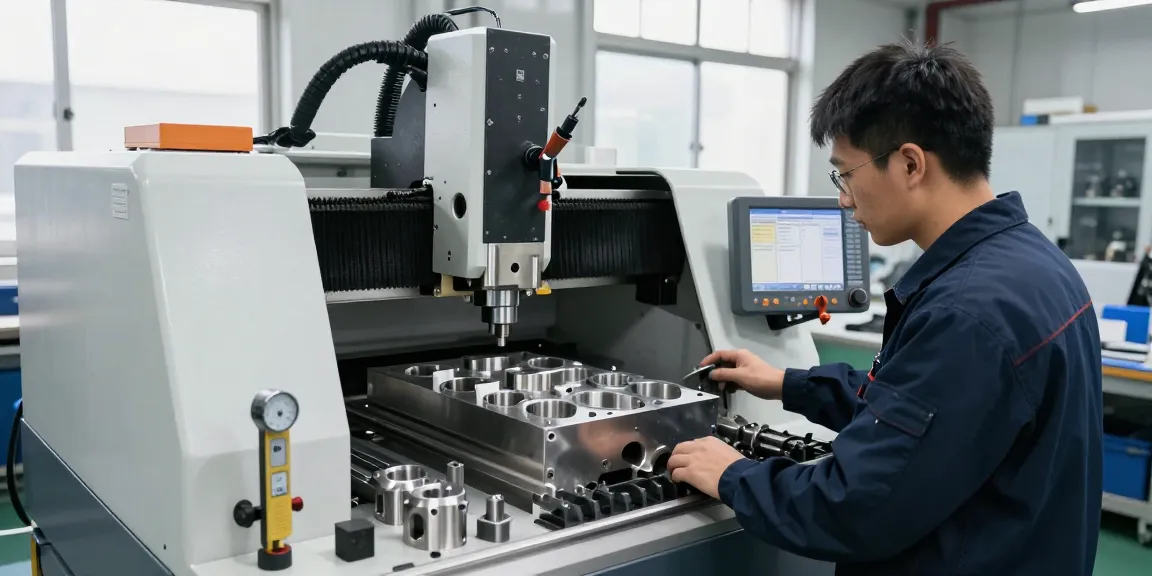
The future of steel structure design is poised for transformation through advancements in fabrication techniques. Innovations in automation and robotics are revolutionizing the way steel components are fabricated and assembled. Techniques such as 3D printing and modular construction enable faster, more precise production, which can enhance the overall quality of steel structures and reduce costs.
Smart Technology Integration
Smart technology is making its way into steel structure design, facilitating advanced monitoring systems that enhance structural integrity and safety. Sensors embedded within steel components can offer real-time data on stress levels, vibrations, and overall structural conditions. This integration of Internet of Things (IoT) devices allows for proactive maintenance, ensuring that any issues are addressed promptly.
Global Trends in Sustainability
As sustainability becomes an essential aspect of construction, steel structure design is no exception. The trend towards reducing carbon footprints through low-emission steel production techniques, efficient use of resources, and sustainable site practices is gaining traction. Innovations in recycling methods and biocomposite materials will likely shape the future of steel construction, further emphasizing the importance of environmentally responsible practices.