Understanding Fluid Power Systems
What Are Fluid Power Systems?
Fluid power systems are integral technologies that use pressurized fluids to generate, control, and transmit power. These systems can be categorized mainly into hydraulic and pneumatic technologies. Their reliance on liquids and gases makes them highly versatile for numerous industrial applications, from manufacturing to aerospace. Essentials of fluid power systems encompass not only the underlying physics of fluid mechanics but also the engineering principles that govern their design, operation, and maintenance. Understanding these systems can greatly enhance operational efficiency and drive innovation in various sectors, where automation and precision are paramount. In industries worldwide, fluid power systems serve as the backbone of dynamic operations.
Key Components of Fluid Power Systems
Fluid power systems consist of several critical components that work together to create powerful and efficient systems:
- Power Source: This is typically a pump or compressor that generates the pressurized fluid necessary for system operation.
- Control Components: Valves and regulators control the flow and pressure of the fluid within the system, allowing for precise manipulation of power.
- Actuators: Hydraulic cylinders or pneumatic cylinders transform fluid power into mechanical motion, performing actual work.
- Reservoir: A container for storing the hydraulic fluid, ensuring a consistent supply to the system.
- Filters: Remove debris and contaminants from the fluid to ensure optimal system performance and longevity.
Understanding these components and their interactions is crucial for optimizing fluid power systems in any given application.
The Importance of Fluid Power Systems in Industry
The significance of fluid power systems cannot be overstated—they represent a core technology in modern industry. Their ability to generate large amounts of power while maintaining precision and control makes them ideal for different settings. Whether it's for lifting heavy machinery in construction, precise movements in robotics, or powering complex manufacturing processes, fluid power systems provide unrivaled capabilities. Based on their operational efficiency, reliability, and scalability, industries increasingly turn to these systems to enhance productivity, reduce operational costs, and meet customer demands effectively.
Types of Fluid Power Systems
Hydraulic Systems Explained
Hydraulic systems utilize incompressible liquids—typically oil—to transmit power. The main advantage of hydraulic systems is their capability to generate significant force in a relatively compact setup. This makes them suited for applications such as construction equipment, manufacturing machinery, and aircraft systems, where high power density is required. Key characteristics of hydraulic systems include:
- High Force Generation: Ideal for applications requiring heavy lifting and high torque.
- Versatility: Can operate a wide range of machinery and processes.
- High Speed: Capable of rapid movement and response times.
While hydraulic systems provide many advantages, they also require careful maintenance to manage challenges like leaks and thermal effects, which can impact efficiency.
Pneumatic Systems Overview
Pneumatic systems rely on compressed gases, predominantly air, to transmit power. These systems are typically used where speed and flexibility are crucial. Common applications include automated assembly lines, packaging, and material handling. Pneumatic systems have distinct features, such as:
- Fast Operation: Pneumatics enable rapid actuator movements and quick cycle times.
- Lightweight Components: Common materials keep system weight down, making them easy to integrate with robotic systems.
- Safety: Since they operate on air, pneumatic systems are less hazardous in environments where leaks might be a concern.
Despite these benefits, pneumatic systems can be less energy-efficient compared to hydraulic systems and require dry air to avoid moisture-related issues.
Comparing Hydraulic and Pneumatic Fluid Power Systems
When deciding between hydraulic and pneumatic systems, it's essential to weigh their respective strengths and limitations:
AspectHydraulic SystemsPneumatic SystemsMedium UsedIncompressible LiquidCompressible GasPower OutputHigh ForceHigh SpeedApplicationsHeavy MachineryLightweight OperationsEnergy EfficiencyHighLowerCostGenerally HigherMore Economical
This comparison is vital for selecting the right system for your specific applications and performance requirements.
Applications of Fluid Power Systems
Fluid Power Systems in Manufacturing
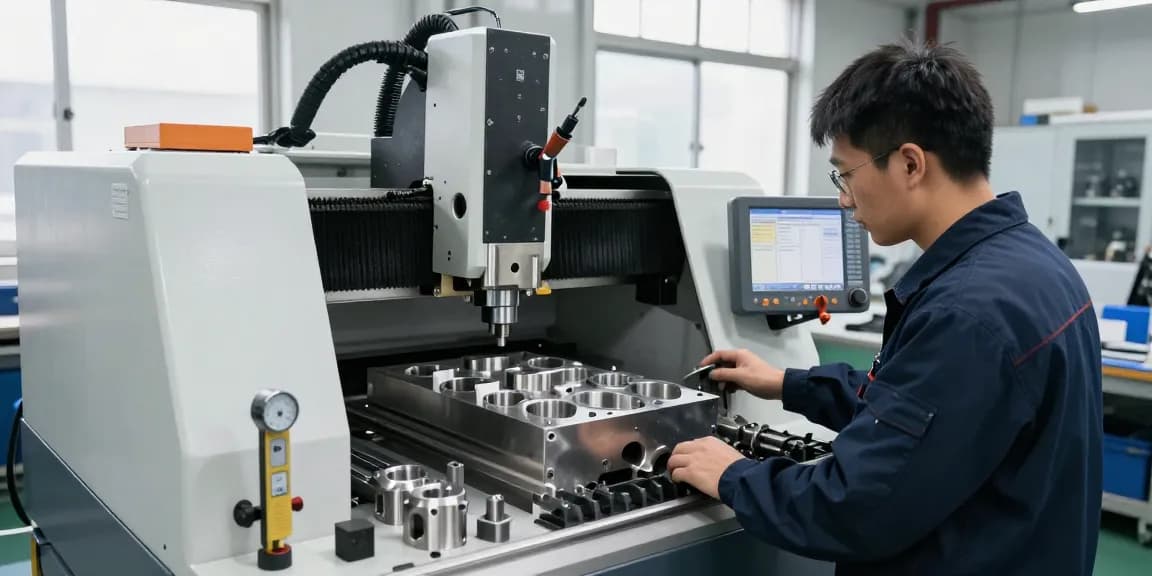
In the manufacturing sector, fluid power systems find applications in various processes such as material handling, machining, assembly, and automation. Hydraulic presses use fluid power for compression tasks, while pneumatic systems often drive conveyors and robotic arms. Implementing fluid power systems can maximize efficiency, cut down turnaround times, and increase precision in manufacturing operations. Interestingly, companies that invest in modern fluid power technologies often see marked improvements in productivity and operational safety.
Fluid Power Systems in Construction
Construction equipment heavily relies on hydraulic systems for their powerful performance. Equipment such as excavators, cranes, and bulldozers employs hydraulic systems for lifting, pushing, and digging operations. The ability to generate substantial forces in compact designs enhances on-site productivity significantly. Additionally, advancements in fluid power technology have led to the development of more energy-efficient machinery, reducing fuel consumption and operating costs on construction sites.
Fluid Power Systems in Aerospace
Aerospace applications utilize both hydraulic and pneumatic systems for crucial functionalities. Hydraulic systems are essential for flight control mechanisms, landing gear operation, and braking systems. Pneumatics play a role in cabin pressurization and de-icing systems. The precision and reliability of fluid power systems are vital for safety in aerospace applications, making regular maintenance and upgrades necessary to meet strict regulations and standards.
Best Practices in Fluid Power Systems Maintenance
Essential Maintenance Tips
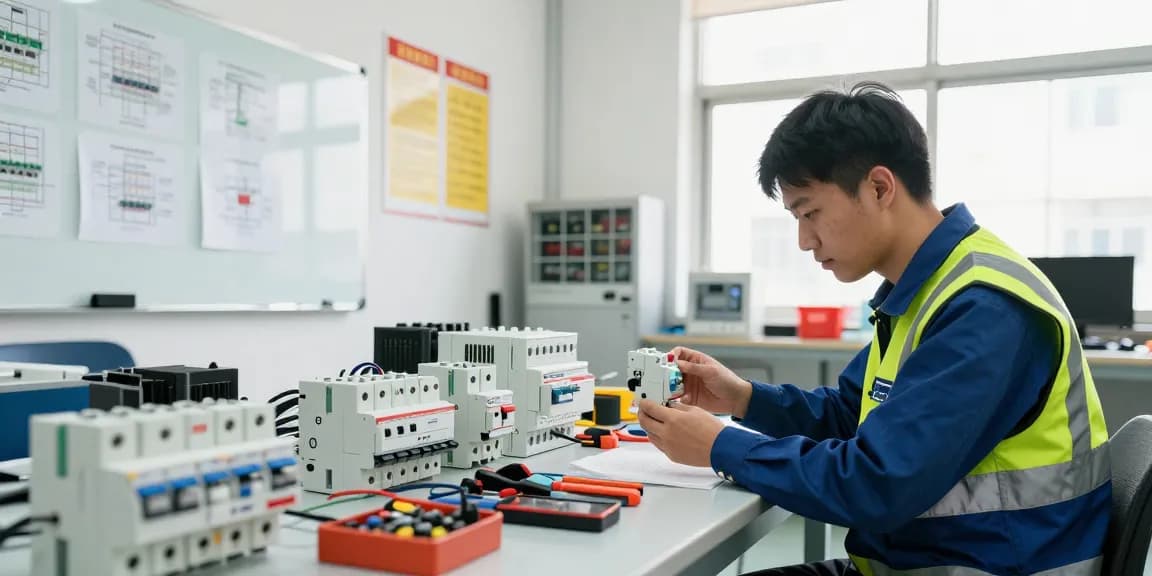
Regular maintenance of fluid power systems is key to their longevity and efficient performance. Here are best practices to consider:
- Regular Inspection: Routinely check for leaks, damaged hoses, and any signs of wear and tear.
- Fluid Quality Monitoring: Regularly test and replace hydraulic fluids and lubricants to prevent contamination and breakdown.
- Cleaning Filters: Ensure that filters are kept clean and replaced on schedule to maintain system efficiency.
Common Issues and Troubleshooting
Identifying common issues can save downtime and repair costs. Typical problems include:
- Fluid Leaks: Can indicate hose wear or failed seals, requiring immediate attention.
- Pressure Drops: Often caused by blockages or faulty filters and can diminish performance.
- Noisy Operation: Can suggest low fluid levels or mechanical wear.
Staying proactive with troubleshooting can prevent major system failures and expenses in the long run.
Improving System Longevity
Increasing the lifespan of fluid power systems revolves around several strategies:
- Quality Components: Invest in high-quality materials and components to withstand operational demands.
- Regular Training: Train staff on proper operational techniques to avoid misuse.
- Monitor System Performance: Use sensors and gauges to detect anomalies in performance promptly.
By implementing these practices, companies can significantly enhance the longevity and reliability of their fluid power systems.
Future Trends in Fluid Power Systems
Integration of Smart Technology
The future of fluid power systems is leaning towards enhanced interconnectivity and smart technology. The emergence of IoT devices enables real-time monitoring and control, allowing for predictive maintenance and improved uptime. Smart sensors can track performance metrics, energy consumption, and operational efficiency effectively. This integration leads to systems that not only operate efficiently but adapt and optimize output automatically.
Environmental Considerations
With growing awareness of environmental issues, fluid power systems are evolving to minimize ecological footprints. The adoption of biodegradable hydraulic fluids, energy-efficient systems, and recycling of components are becoming priorities. Manufacturers are increasingly focusing on sustainability to comply with regulations and meet consumer demands for eco-friendly practices.
The Role of Robotics in Fluid Power Systems
As industries increasingly adopt automation, the role of robotics in fluid power systems is growing. Fluid power technologies drive actuators and robots, enhancing their operational capabilities. This synergy between robotics and fluid power systems is paving the way for automation in critical applications while ensuring that systems remain efficient, adaptive, and precise.
FAQs
1. What are the main differences between hydraulic and pneumatic systems?
Hydraulic systems use incompressible fluids to generate high force, while pneumatic systems use compressed air for rapid motion. Hydraulics are better for heavy lifting, whereas pneumatics excel in speed and flexibility.
2. What applications do fluid power systems serve?
Fluid power systems are used in various sectors including manufacturing, construction, and aerospace for tasks such as automation, lifting, and control mechanisms.
3. How can I increase fluid power systems' lifespan?
Improve lifespan by using high-quality components, conducting regular maintenance, and ensuring proper training for operators to prevent misuse.
4. What are common issues in fluid power systems?
Common issues include fluid leaks, pressure drops due to blockages, and operational noise, each requiring immediate troubleshooting to maintain efficiency.
5. Why is smart technology important in fluid power systems?
Smart technology enhances the functionality of fluid power systems by enabling real-time monitoring, improving maintenance practices, and optimizing performance automatically.