Understanding the Role of a Steel Fabrication Shop
Defining Steel Fabrication and Its Importance
Steel fabrication is a pivotal process that involves the cutting, bending, and assembling of steel structures to create a range of products, from simple brackets to complex frameworks. This process serves as the backbone of many industries, including construction, automotive, aerospace, and manufacturing. The significance of a steel fabrication shop lies not only in its ability to provide essential components but also in its role in enhancing the strength and durability of constructed elements.
Fabricated steel is known for its versatility and resilience, making it a favored material in various applications. The importance of steel fabrication cannot be overstated; it facilitates innovation in architectural design while ensuring that structures are built to withstand considerable loads and stresses over time.
Key Processes in the Steel Fabrication Shop
The processes involved in a steel fabrication shop are comprehensive and typically include several stages:
- Cutting: Steel is first cut to the desired length and shape. This can be achieved through various techniques, including laser cutting, plasma cutting, and sawing.
- Bending: After cutting, the steel pieces are bent into shape using specialized bending machines, which allow for precise curves and angles.
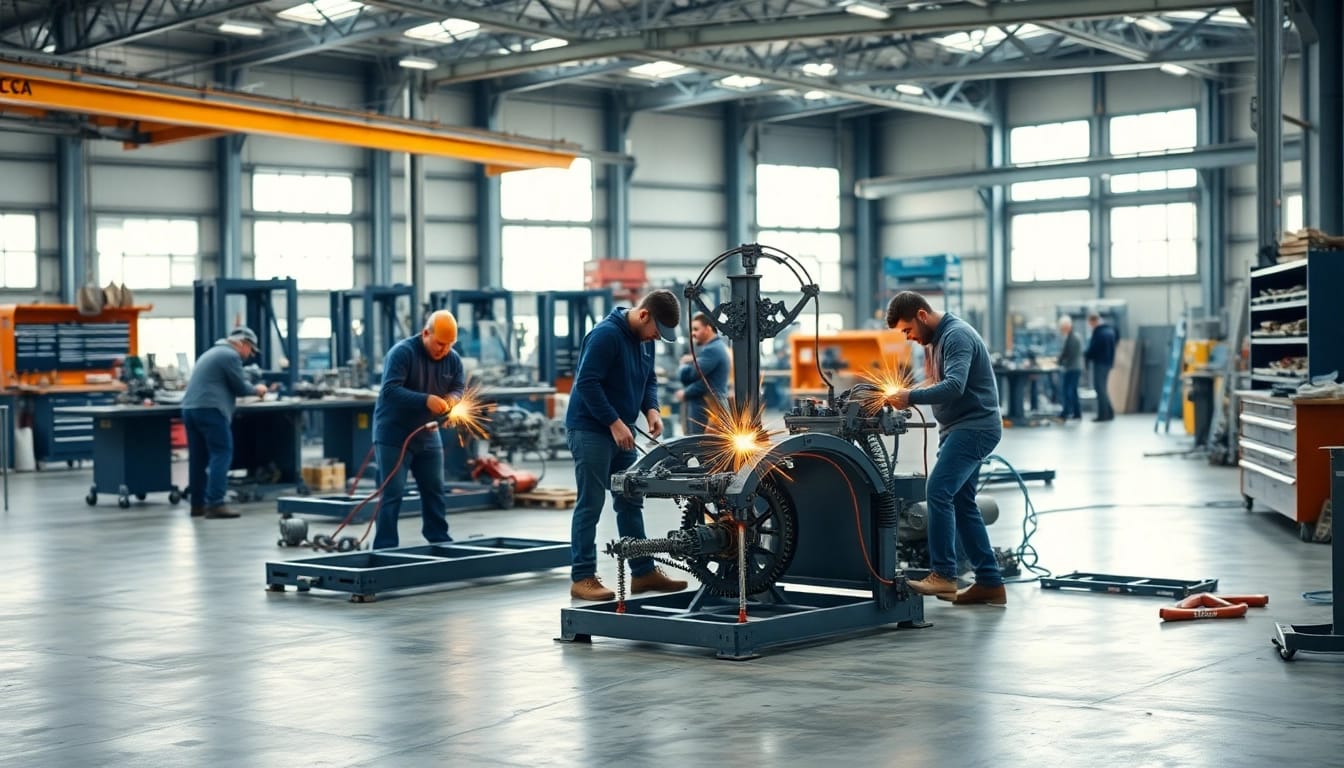
- Assembling: The final stage involves assembling the cut and bent pieces into the required structure. This can include welding, bolting, or connecting with other fasteners to ensure structural integrity.
- Finishing: The final step often includes surface treatment processes such as painting, galvanizing, or coating to prevent corrosion and enhance aesthetics.
Each of these processes is critical to the overall efficiency and quality of the final product. The ability to customize each step ensures that specific project requirements are met, which is essential in today’s competitive market.
Common Applications of Steel Fabrication
The applications of steel fabrication are extensive and influential across various sectors. Some of the most common applications include:
- Construction: Steel frames and structural components are fundamental in commercial and residential building projects.
- Aerospace: Components such as aircraft frames and parts are fabricated with exacting standards to ensure safety and performance.
- Automotive: Many vehicle parts such as chassis and structural supports are produced through steel fabrication methods.
- Manufacturing Equipment: Machines and tools used in production facilities often incorporate fabricated steel components for durability and performance.
Ultimately, the versatility and strength of steel fabrication enable a wide range of industries to deliver innovative solutions and products, reinforcing the ongoing demand for skilled fabricators.
Essential Equipment for a Steel Fabrication Shop
Must-Have Tools and Machines
A steel fabrication shop requires a diverse array of tools and equipment to perform its essential functions effectively. Some of the must-have machines include:
- Plasma Cutters: These use a focused plasma arc to cut through steel with precision, making them essential for intricate designs.
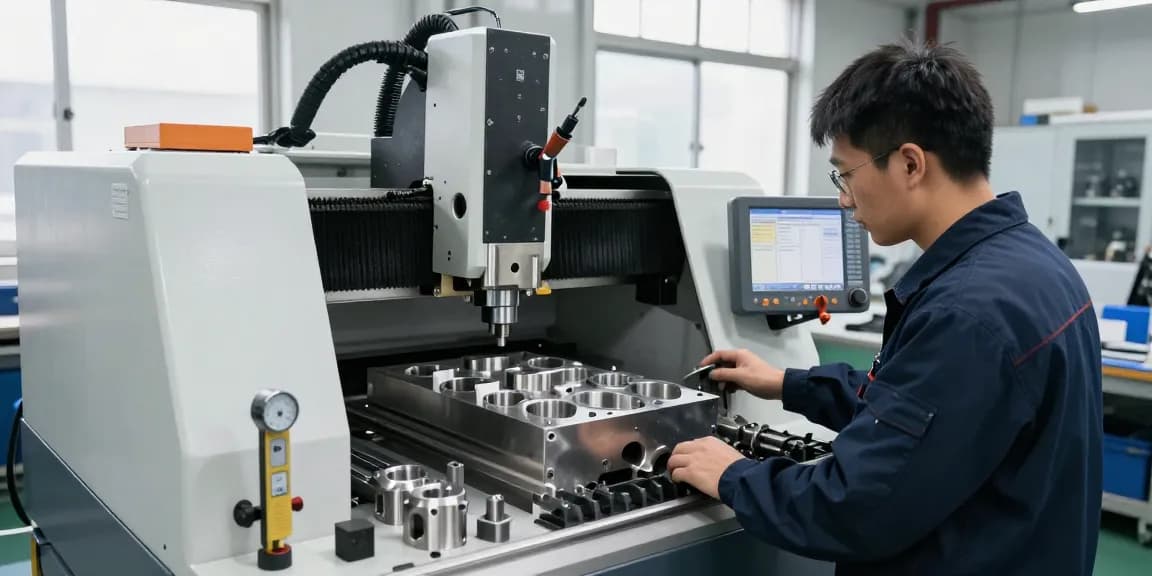
- Bending Machines: Commonly used for creating angles or curves in steel, these machines help ensure accuracy in shaping materials.
- Mig and Tig Welding Machines: These are vital for joining steel components securely. Each welding method has its advantages depending on the type of steel and application.
- Drilling Machines: Essential for creating holes in steel for assembly and fastening purposes.
- Finishing Machines: These include sanders and polishers that prepare the final product for delivery or installation.
Having the right tools is essential not only for efficiency but also for quality control throughout the fabrication process.
Safety Equipment for Steel Fabrication
Safety in a steel fabrication shop cannot be overemphasized. Due to the inherent risks including heavy machinery, sharp tools, and the potential for harmful fumes, appropriate safety equipment must be carefully integrated into everyday operations. Essential safety gear includes:
- Personal Protective Equipment (PPE): Helmets, gloves, goggles, and ear protection should be standard for all workers.
- Fume Extractors: These are crucial for maintaining air quality and protecting workers from harmful inhalants.
- Fire Extinguishers: Given the risk of welding and cutting, readily accessible fire extinguishers must be strategically positioned throughout the shop.
- Safety Signs and Training: Providing comprehensive safety training and clear signage helps foster a culture of safety awareness among employees.
By investing in proper safety equipment and practices, a steel fabrication shop can significantly reduce accidents and improve overall workplace culture.
Maintenance Tips for Long-Lasting Equipment
Regular maintenance of machines and tools is crucial to ensure their longevity and optimal performance. Here are some effective maintenance tips:
- Scheduled Inspections: Establish a routine for inspecting equipment to catch potential issues early.
- Cleansing Processes: Keep machines free from debris and contaminants to prevent malfunctions.
- Lubrication: Regularly lubricate moving parts to minimize wear and tear and enhance functionality.
- Training Personnel: Ensure that all staff are trained on proper equipment handling and maintenance to avoid damage.
By adhering to these maintenance practices, a steel fabrication shop can ensure that its equipment operates efficiently, minimizing downtime and costly repairs.
Best Practices for Managing a Steel Fabrication Shop
Streamlining Operations for Efficiency
Efficiency is a vital aspect of any successful steel fabrication shop. By implementing best practices, management can streamline operations significantly:
- Lean Manufacturing Techniques: Adopting lean principles can reduce waste, optimize workflow, and significantly improve productivity.
- Production Planning: Use tools and techniques to forecast needs and allocate resources effectively, minimizing delays.
- Inventory Management: Maintain an organized inventory system to enhance access to materials and reduce storage costs.
- Regular Training and Updates: Continuous training for staff on new processes and technologies ensures they are equipped with the necessary skills.
These practices create a robust framework for operational excellence in a steel fabrication shop, ensuring timely delivery and satisfied clientele.
Workforce Training and Development
Investing in the training and development of staff is essential for maintaining a highly skilled workforce. Effective workforce programs should include:
- Comprehensive Onboarding: New employees should undergo thorough training, covering both technical skills and company policies.
- Ongoing Skill Development: Provide opportunities for employees to learn new techniques and technologies through workshops and training courses.
- Mentoring Programs: Pair less experienced workers with seasoned veterans to facilitate learning and share best practices.
- Safety Drills: Regularly conduct safety drills to reinforce the importance of workplace safety and ensure readiness in case of incidents.
By cultivating a culture of learning, a steel fabrication shop can enhance productivity and retention while fostering innovation.
Implementing Quality Control Measures
Quality assurance is paramount in ensuring the effectiveness and safety of fabricated products. Implementing strong quality control measures involves:
- Quality Standards Documentation: Clearly outline all standards and specifications that products must meet.
- Regular Inspections: Conduct frequent checks throughout the fabrication process to identify and rectify any issues.
- Testing Procedures: Incorporate rigorous testing of finished products to ensure compliance with safety and quality regulations.
- Feedback Loops: Encourage feedback from customers and staff to identify areas for improvement.
Essentially, effective quality control guarantees that the final products not only meet client specifications but also pass regulatory compliance checks.
Innovations in Steel Fabrication Technology
Advancements Shaping the Steel Fabrication Shop
The steel fabrication industry is continuously evolving with new technologies that enhance productivity and precision. Recent advancements include:
- 3D Printing: While still in its infancy for metals, 3D printing technology promises to revolutionize how complex parts are produced, reducing waste and lead times.
- Smart Technologies: Machine learning and IoT (Internet of Things) devices are being integrated into fabrication machinery to increase efficiency and predictive maintenance.
- Advanced Robotics: Automation in fabrication processes allows for higher precision and reduces manual labor costs.
- Material Science Innovations: New alloy compositions and treatments improve not only the strength of the materials but also their performance in demanding applications.
Staying informed about these advancements enables fabricators to maintain a competitive edge while offering cutting-edge products.
Integrating Automation for Enhanced Productivity
Automation is transforming the landscape of steel fabrication by improving efficiency and reducing labor costs. Some strategies for integrating automation include:
- Automated Machines: Investing in automated cutting, welding, and finishing machines can greatly enhance speed and precision.
- Robotic Process Automation (RPA): Utilize robots for repetitive tasks to free up skilled labor for complex tasks requiring human intervention.
- Software Integration: Implement software tools that streamline scheduling, order tracking, and inventory management.
- Real-Time Monitoring: Leverage IoT technologies to monitor machine performance and uptime, allowing for swift identification of issues.
These automation strategies not only enhance productivity but also contribute to a safer working environment as they can handle hazardous tasks.
Utilizing Software for Design and Management
Software tools have become indispensable in modern steel fabrication, facilitating everything from design to management. Key software applications include:
- CAD Software: Computer-Aided Design (CAD) tools enable engineers to create precise design specifications, optimizing how components will fit together.
- Project Management Tools: These applications assist in scheduling, budgeting, and tracking the progress of projects, ensuring that timelines and resources are adhered to.
- ERP Systems: Enterprise Resource Planning (ERP) systems integrate various management functions into a unified system, enhancing data accessibility across departments.
Utilizing robust software solutions can facilitate better collaboration, improved efficiencies, and stronger project outcomes in the steel fabrication process.
Measuring Success in Your Steel Fabrication Shop
Key Performance Indicators to Track
In order to evaluate the performance of a steel fabrication shop effectively, it is crucial to measure specific Key Performance Indicators (KPIs). Essential KPIs include:
- Production Efficiency: Ratio of productive output to total input, helping to identify where improvements can be made.
- Scrap Rate: The amount of material wasted during fabrication, which can give insights into process optimization.
- On-Time Delivery Rate: Measures how often projects are completed by their deadlines, demonstrating reliability.
- Customer Satisfaction Rates: Feedback from clients about product quality and service, essential for long-term business success.
Regularly reviewing these KPIs ensures that management can make data-driven decisions that enhance operational effectiveness.
Customer Feedback and Its Role
Gathering customer feedback is an integral part of improving services and products in a steel fabrication shop. Effective strategies for collecting feedback include:
- Surveys and Questionnaires: Distributing surveys can provide valuable insights into customer satisfaction and product quality.
- Regular Communication: Establishing open lines of communication with clients allows for timely input on their experience and needs.
- Post-Project Reviews: Conducting debriefs after project completion helps identify successful aspects and areas needing improvement.
Acting on customer feedback ensures that the fabrication shop can continuously adapt and refine its offerings, maintaining competitive relevance.
Continuous Improvement Strategies
Continuous improvement is essential for sustained success in the steel fabrication industry. Strategies to foster an environment of improvement include:
- Establishing a Kaizen Culture: Promote the philosophy of small, incremental changes among employees, encouraging proactive problem-solving.
- Training Initiatives: Regularly provide education and training opportunities for staff to enhance their skills and knowledge.
- Process Audits: Conduct routine audits on processes to identify inefficiencies and potential areas for streamlining.
- Benchmarking Performance: Compare your shop’s performance against industry standards to identify gaps and areas for enhancement.
These continuous improvement strategies sustain progress within a steel fabrication shop, optimizing operations, and ensuring customer satisfaction.