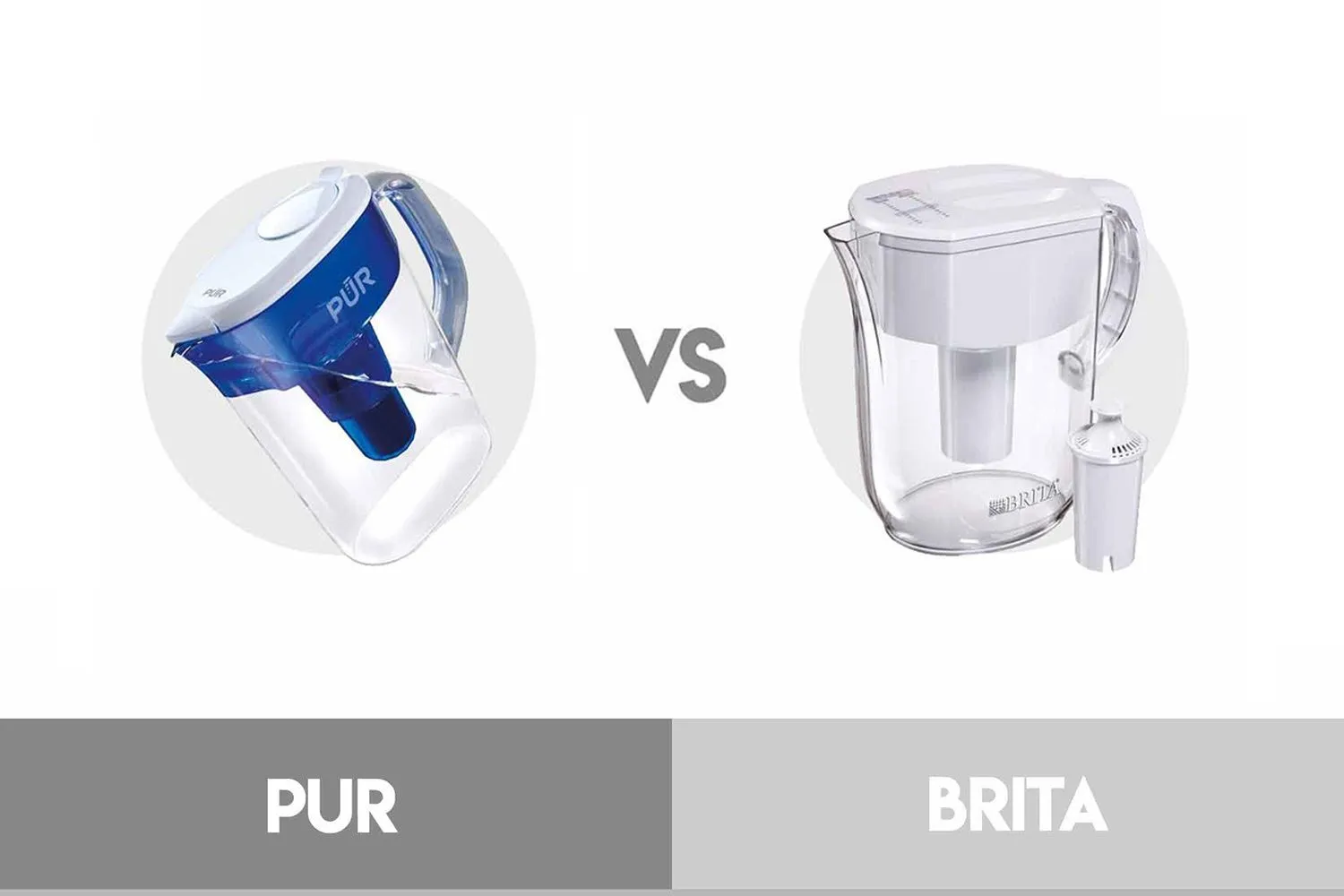
Filtered water has become a necessity in modern households. With increasing concerns about contaminants, taste, and odor in tap water, choosing the right water pitcher is critical. Among the many options available, Pur or Brita Water Pitcher brands dominate the market. They are widely trusted, but understanding the nuances between them is essential before making a purchase. After a year of personal testing and detailed research, it’s clear that the choice is not just about brand loyalty but also about the filtration technology and the quality of water each pitcher produces.
Understanding Filtration Technology in Water Pitchers
The primary difference between Pur or Brita Water Pitcher lies in their filtration technologies. Brita typically uses activated carbon filters combined with ion-exchange resin. This combination targets chlorine, which affects taste and odor, and reduces certain metals such as copper and cadmium. However, Brita’s filtration system is generally more suited for households looking for improved taste rather than aggressive contaminant removal.
Pur, on the other hand, employs a more advanced filtration method. It uses activated carbon alongside a proprietary ion-exchange system designed to remove a wider range of impurities. This includes not only chlorine and sediment but also heavy metals like mercury and lead, which can be a significant concern in older homes or areas with aging plumbing systems. The difference in technology is often noticeable, with Pur water tasting cleaner and feeling lighter compared to Brita.
Performance and Taste Differences
In side-by-side testing of Pur or Brita Water Pitcher, the taste was immediately distinguishable. While Brita effectively improved tap water flavor, traces of chlorine could still be detected in some regions. Pur water consistently provided a smoother and cleaner taste, eliminating almost all metallic or chemical flavors. This is particularly important for individuals sensitive to water taste or for those who use tap water for coffee, tea, or cooking.
The removal of contaminants also impacts taste indirectly. Heavy metals and chlorine can leave subtle chemical notes that affect overall water quality. By addressing a broader spectrum of impurities, Pur offers a noticeable improvement in taste, making it an ideal choice for households prioritizing both safety and flavor.
Contaminant Removal and Health Considerations
One of the most critical factors when evaluating Pur or Brita Water Pitcher is the type of contaminants each removes. Brita excels in reducing chlorine, copper, and cadmium, which are common in municipal water. However, its capacity to remove lead or mercury is limited compared to Pur. Pur’s filters are certified to remove over 70 contaminants, including lead, mercury, pesticides, and industrial chemicals.
Health-conscious users, especially those with infants, elderly family members, or compromised immune systems, may find Pur’s advanced filtration more suitable. Ensuring water safety is not just about taste but also about minimizing long-term exposure to harmful substances.
Filter Lifespan and Replacement Costs
Filter lifespan and replacement costs are practical considerations when choosing between Pur or Brita Water Pitcher. Brita filters typically last about 40 gallons, which translates to roughly two months of regular household use. Replacement filters are relatively affordable and widely available, making maintenance simple and cost-effective.
Pur filters have a comparable lifespan, ranging between 40 to 100 gallons depending on the model, but they tend to be slightly more expensive. While the upfront cost may be higher, Pur’s enhanced filtration capability often justifies the investment. Users who prioritize removing a broader spectrum of contaminants are often willing to pay the extra cost for better water quality.
Design, Capacity, and Usability
The physical design of Pur or Brita Water Pitcher varies significantly. Brita pitchers are generally lightweight, easy to handle, and available in various sizes to accommodate different household needs. Their lids and spouts are designed for convenience, and the digital filter indicator makes it simple to know when a replacement is necessary.
Pur pitchers tend to be more robust in construction, often featuring larger reservoirs and advanced filtration technology integrated into a compact system. Some models include LED filter indicators, ergonomic handles, and a more modern aesthetic suitable for contemporary kitchens. While slightly heavier, Pur pitchers often feel more substantial and premium.
Environmental Impact
When evaluating Pur or Brita Water Pitcher, environmental considerations should not be overlooked. Both brands encourage recycling filters, but the volume of used filters generated over time can add up. Brita’s lighter design and longer availability make it easier to recycle through municipal programs. Pur filters, though slightly heavier, offer the advantage of reducing more contaminants per gallon of water filtered, which could translate to less bottled water consumption and a reduced environmental footprint.
Price Comparison
Price is a decisive factor for many consumers choosing between Pur or Brita Water Pitcher. Brita pitchers are generally more budget-friendly, with lower initial costs and inexpensive replacement filters. Pur products usually have a higher upfront cost, reflecting their superior filtration technology and design features.
The decision often comes down to balancing budget with the desired level of filtration. Households with basic water quality concerns may find Brita sufficient, whereas families concerned about lead, mercury, and chemical contaminants may find Pur worth the premium.
User Experience and Customer Feedback
Consumer reviews provide valuable insight into the practical performance of Pur or Brita Water Pitcher. Brita users frequently highlight ease of use, affordability, and taste improvement. Some users note that while Brita effectively removes chlorine, it may leave a metallic taste in areas with older plumbing.
Pur users often praise the noticeable improvement in taste and the reduction of contaminants. Many reviews indicate that water feels fresher and cleaner, especially in regions with high lead or chemical presence in tap water. The general consensus is that while Pur requires a slightly higher investment, the benefits in taste, safety, and overall quality make it a preferred choice for discerning consumers.
Installation and Maintenance Tips
Both Pur or Brita Water Pitcher are designed for simplicity, but a few tips can enhance user experience. For Brita, always rinse the filter thoroughly before first use and replace filters promptly according to the indicator. Using warm water can help maximize the efficiency of the activated carbon.
For Pur, additional steps such as regular deep cleaning of the reservoir and careful attention to filter seating can prolong filter life and maintain optimal performance. Ensuring proper water flow through the filter is critical to achieving maximum contaminant removal.
Practical Considerations for Different Households
Choosing between Pur or Brita Water Pitcher depends on household needs. Small households with limited water consumption may benefit from Brita’s cost efficiency and compact design. Larger families, particularly those in areas with older plumbing or known water quality issues, may find Pur more suitable due to its superior filtration capacity.
For users with infants or elderly family members, the health benefits of Pur’s advanced contaminant removal are significant. Individuals who prioritize taste for beverages, cooking, and daily hydration may also notice a marked difference with Pur water.
Scientific Studies and Certifications
Both Pur or Brita Water Pitcher undergo rigorous testing to ensure safety and performance. Brita filters are certified to NSF/ANSI standards 42 and 53, which focus on chlorine reduction and specific contaminant removal. Pur filters often meet or exceed these standards, with some models certified to remove more than 70 contaminants, including lead and mercury.
These certifications are important indicators of the reliability and effectiveness of the filtration system. Consumers seeking scientifically validated water safety can rely on these certifications to guide their purchase decisions.
Long-Term Investment Considerations
When evaluating Pur or Brita Water Pitcher, long-term investment is crucial. While Brita offers affordability and convenience, the slightly higher initial cost of Pur may pay off over time through superior water quality, fewer health risks, and better taste. Families concerned about long-term exposure to contaminants often prioritize Pur despite the higher upfront expense.
In addition, using a high-quality water pitcher reduces reliance on bottled water, saving money and contributing to environmental sustainability. Over years of daily use, the cumulative benefits of enhanced filtration can outweigh the initial investment difference.
Comparing Filter Replacement Schedules
Filter replacement schedules vary between Pur or Brita Water Pitcher and can influence user experience. Brita filters generally require replacement every 40 gallons or approximately two months for average households. Pur filters have a similar range, but high-performance models may last longer per gallon while maintaining higher contaminant removal efficiency.
Consistency in replacement is essential for both brands to ensure optimal performance. Failure to replace filters on time can result in reduced water quality, diminished taste, and potential bacterial growth. Keeping track of filter life is crucial for maintaining the safety and effectiveness of either pitcher.
Aesthetic and Kitchen Integration
Design plays a subtle yet important role in the choice between Pur or Brita Water Pitcher. Brita offers practical designs that fit easily into refrigerator doors or countertops, catering to users who prioritize convenience and compactness. Pur pitchers often feature modern aesthetics with sleek lines and larger reservoirs, making them a focal point in kitchens designed for both functionality and style.
For users who value kitchen aesthetics alongside performance, Pur can offer a more visually appealing solution, complementing contemporary appliances and décor.
Expert Recommendations
Experts recommend Pur or Brita Water Pitcher based on specific needs. For basic taste improvement and affordable filtering, Brita is suitable. For comprehensive contaminant removal, especially in homes with older plumbing or higher-risk water sources, Pur is recommended.
Health professionals often highlight the benefits of removing heavy metals, chlorine, and other industrial contaminants, which makes Pur particularly appealing for households concerned with long-term water safety. Understanding your local water quality can help determine which pitcher aligns best with your needs.
Maintenance and Cleaning Tips
Maintaining your water pitcher is essential regardless of brand. Brita pitchers should be regularly rinsed and cleaned to prevent mold buildup and maintain taste. Filters should be replaced promptly and stored correctly.
Pur pitchers may require more detailed cleaning due to larger reservoirs and advanced filtration components. Periodically soaking parts in warm water or vinegar can help maintain hygiene, ensuring that water quality remains high over time. Proper maintenance ensures both safety and longevity of the pitcher.
Common Misconceptions
A common misconception is that all water pitchers remove the same contaminants. In reality, the difference between Pur or Brita Water Pitcher is substantial, especially regarding heavy metals and industrial chemicals. Another myth is that more expensive automatically means better, but price should be weighed against filtration capability and household needs.
Educating oneself on the specific certifications, filtration technology, and contaminant removal rates of each brand ensures a purchase that aligns with both health priorities and budget considerations.
User Experiences and Reviews
Personal experience often drives brand preference. Many users report satisfaction with Brita for general taste improvement. Others, particularly in older homes with lead pipes, notice a significant difference with Pur. The feedback reinforces the idea that Pur or Brita Water Pitcher are not interchangeable, and user context determines which delivers better results.
Conclusion
Choosing the right water pitcher is more than a matter of brand loyalty. Understanding the differences in filtration technology, contaminant removal, taste, cost, and maintenance is essential. Pur or Brita Water Pitcher each offer distinct advantages. Brita is an excellent choice for affordability and basic filtering, while Pur excels in advanced contaminant removal and superior taste. Ultimately, the decision should be guided by your household’s water quality, health concerns, and long-term water needs. Investing in the right pitcher not only improves taste but ensures cleaner, safer drinking water for your family. For full details, please check our homepage.
Frequently Asked Questions (FAQs)
1. Which removes more contaminants, Pur or Brita Water Pitcher?
Pur Water Pitchers generally remove a broader range of contaminants, including lead, mercury, pesticides, and chlorine. Brita is effective for chlorine and basic metals but has limited capacity for heavy metals and industrial chemicals.
2. Are Pur or Brita Water Pitchers easy to maintain?
Both brands are designed for convenience. Brita is lightweight and simple to clean, while Pur requires careful cleaning of the reservoir and filter seating to maintain maximum efficiency.
3. How often should filters be replaced?
Brita filters typically last 40 gallons or around two months, while Pur filters range from 40 to 100 gallons depending on the model. Following the indicator system ensures optimal water quality.
4. Does water taste different between Pur and Brita?
Yes, Pur generally provides cleaner, smoother water with fewer metallic or chemical notes, whereas Brita improves taste but may leave subtle chlorine traces depending on your water source.
5. Which pitcher is better for households with older plumbing?
Pur is recommended for homes with older plumbing due to its superior ability to remove heavy metals like lead and mercury, providing safer and better-tasting water.