Understanding Marginal Pond Plants
Marginal pond plants are a vital component of aquatic ecosystems, providing essential habitat and food sources for various wildlife while enhancing the aesthetic appeal of ponds and water gardens. If you're considering enhancing your landscape with these unique plants, you can Buy Marginal Pond Plants that suit your vision. Understanding their characteristics and benefits can help you make informed decisions.
What Are Marginal Pond Plants?
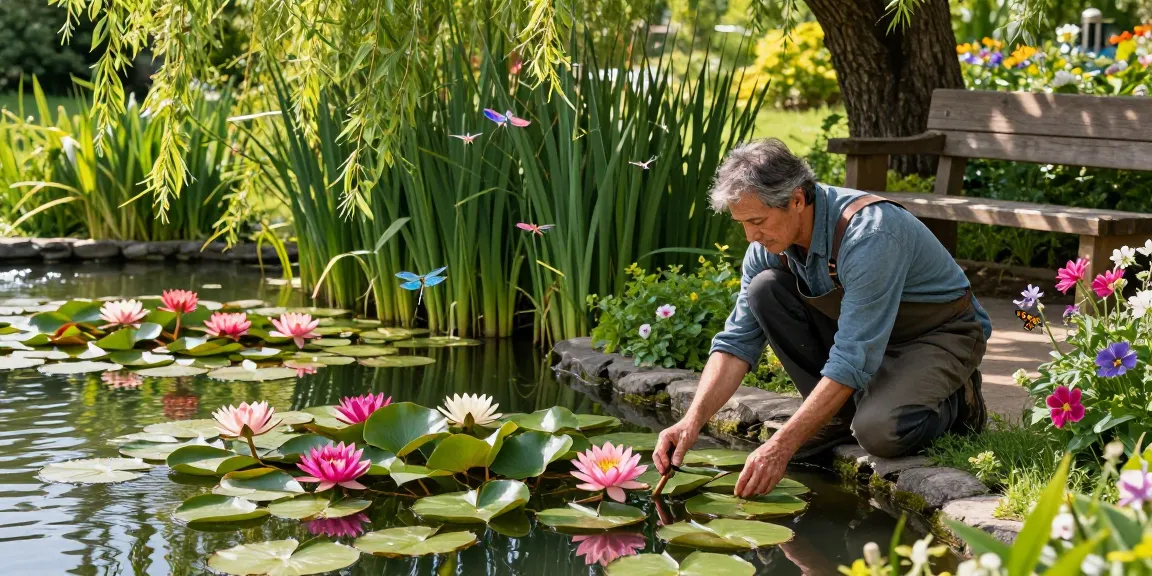
Marginal pond plants are those that thrive in the shallow margins of ponds and water bodies. They grow partially submerged, with their roots anchored in the soil at the pond's edge, while their stems and leaves often extend above the water’s surface. These plants typically flourish in areas where the water is 0 to 12 inches deep, making them ideal for creating a lush border around your pond.
Benefits of Buying Marginal Pond Plants
Investing in marginal pond plants offers numerous benefits, including:
- Water Quality Improvement: By absorbing excess nutrients and pollutants, these plants help maintain clear and healthy water.
- Wildlife Habitat: They provide shelter and food for fish, frogs, and various insects, promoting biodiversity in your pond ecosystem.
- Natural Aesthetics: Marginal plants enhance the visual appeal of your pond with their diverse forms and colors.
- Soil Stabilization: Their extensive root systems prevent soil erosion, helping maintain the integrity of your pond's edges.
Common Misconceptions About Marginal Plants
Despite their numerous benefits, several misconceptions surround marginal pond plants. Some people believe they require high maintenance or that they will overtake the pond if left unchecked. In reality, many marginal plants are low-maintenance species that can coexist with other aquatic flora. Additionally, choosing the right varieties will help you manage growth effectively.
Choosing the Right Marginal Pond Plants
Popular Types of Marginal Pond Plants
When it comes to selecting marginal pond plants, you'll find a variety of species to consider:
- Pickerel Rush (Pontederia cordata): Known for its striking blue flower spikes, it's a favorite for many pond enthusiasts.
- Marsh Marigold (Caltha palustris): With its vibrant yellow flowers in early spring, this plant brightens up the pond’s edge.
- Japanese Iris (Iris ensata): Celebrated for its colorful blooms, it creates an elegant touch to any pond setting.
- Cat Tails (Typha spp.): These tall, grass-like plants are excellent for wildlife habitats and help control water movement.
Factors to Consider When Buying Marginal Plants
To select the best marginal pond plants for your needs, consider the following factors:
- Climate: Ensure that the plants you choose are suited to your local climate, particularly if you experience extreme temperatures.
- Sunlight: Assess the amount of sunlight your pond receives. Some plants prefer full sun, while others thrive in partial shade.
- Water Depth: Select plants that match the depth of the water at the edges of your pond to ensure they can establish roots effectively.
- Pond Design: Consider how the plants will integrate with your overall pond design, including their height, color, and growth habits.
How to Assess Plant Health Before Purchase
Before purchasing marginal pond plants, look for signs of health such as vibrant colors, robust stems, and a well-developed root system. Avoid plants with yellowing leaves or signs of disease, as these can indicate underlying issues that may affect their performance in your pond.
Where to Buy Marginal Pond Plants
Online vs. Local Nurseries: Which Is Best?
Deciding between online retailers and local nurseries can be challenging. Local nurseries allow for hands-on selection and immediate assessment of plant health, while online nurseries often offer a wider variety and competitive prices. Ultimately, your choice may depend on convenience, availability, and personal preferences.
Tips for Buying Marginal Pond Plants Online
If you decide to buy marginal plants online, consider the following tips:
- Read customer reviews to gauge the quality of plants from different retailers.
- Ensure the seller provides clear information about the plant species, including care requirements.
- Check for shipping policies to avoid delays that could jeopardize plant health.
Recommended Retailers for Quality Marginal Plants
Some reputable online retailers specializing in pond plants include Aquatic Solutions, The Pond Guy, and local garden centers that offer shipping. Be sure to compare options and select one that suits your specific needs.
Planting and Caring for Marginal Pond Plants
Step-by-Step Guide to Planting Marginal Plants
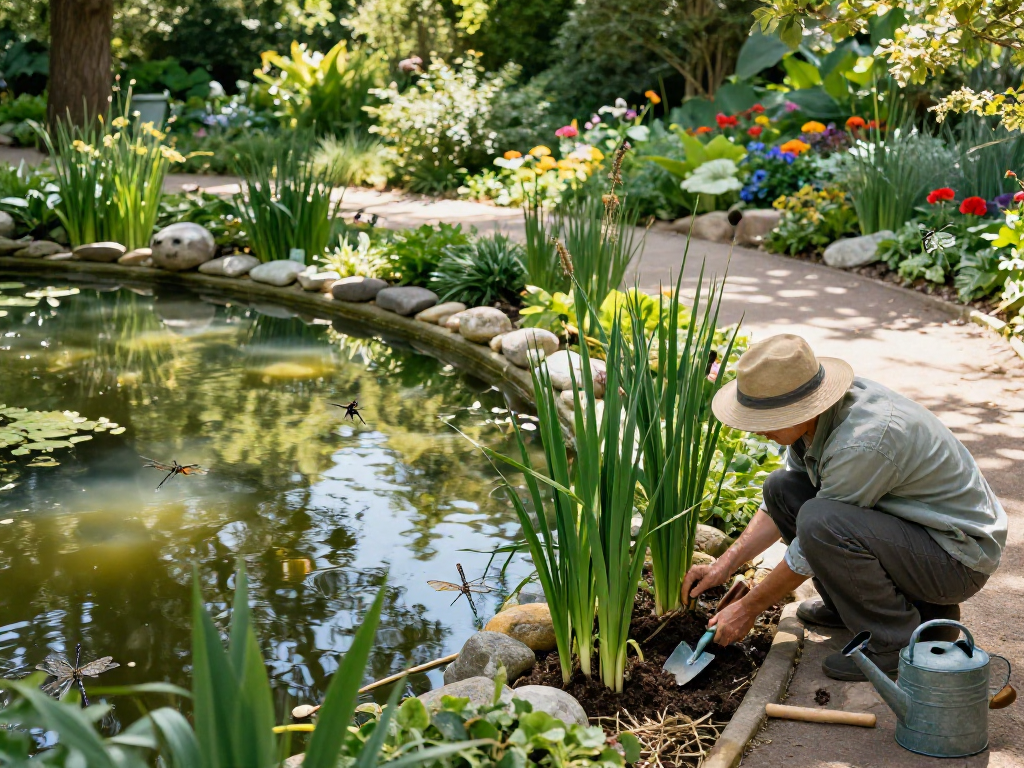
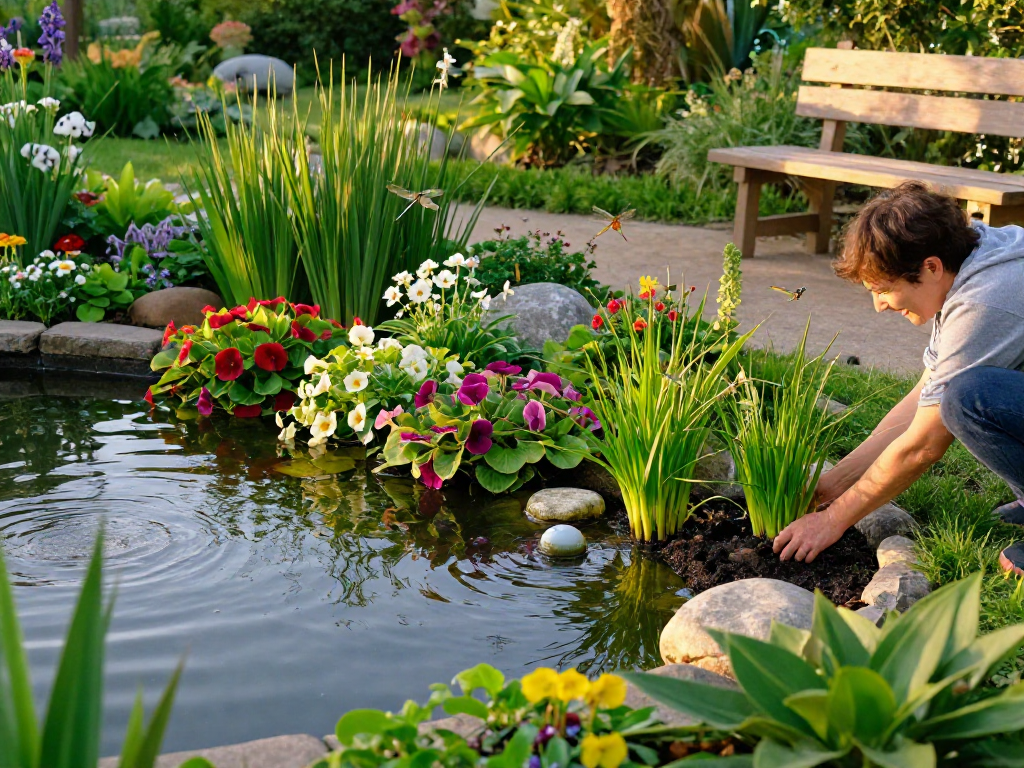
Successfully planting marginal pond plants involves a few essential steps:
- Choose the Right Location: Identify the best spot along your pond’s edge based on sunlight and water depth.
- Prepare the Planting Hole: Dig a hole that is wide enough to accommodate the roots without crowding.
- Position the Plant: Place the plant in the hole and backfill with soil, ensuring the crown sits just above the soil line.
- Water Thoroughly: After planting, provide ample water to eliminate air pockets around the roots.
- Mulch if Necessary: A layer of mulch can help retain moisture and suppress weeds around the new plants.
Maintenance Tips for Healthy Marginal Plants
To keep your marginal plants thriving:
- Regularly check for signs of pests or disease and take action as needed.
- Fertilize during the growing season to promote vigorous growth.
- Trim dead or dying foliage to maintain aesthetics and encourage new growth.
- Monitor water levels and adjust as necessary, particularly during dry periods.
Common Issues and How to Solve Them
Some common issues with marginal pond plants include:
- Pest Infestations: Regular monitoring and organic insecticides can help manage pest populations.
- Algae Growth: Promote competition with beneficial plants and reduce nutrient input to minimize algae.
- Insufficient Growth: Assess light, water quality, and nutrient levels to ensure optimal growing conditions.
Future Trends in Marginal Pond Planting
Innovations in Aquatic Gardening for 2026
As techniques and technologies evolve, so do the ways in which we interact with our aquatic spaces. Expect to see innovations such as smart irrigation systems and automated water quality monitoring that will help maintain optimal conditions for pond plants.
Sustainable Practices for Marginal Plant Cultivation
With an increasing emphasis on sustainability, more pond enthusiasts are embracing eco-friendly practices. Consider using native plants, which typically require less maintenance and are better suited for local wildlife. Additionally, using organic fertilizers and pest control methods can protect the ecosystem.
Expert Predictions for Aquatic Planting Trends
Experts predict a rise in interest in biodiversity, with more gardeners opting for diverse plant selections to create balanced ecosystems in their ponds. Miniature pond gardens and vertical planting systems may also gain popularity among those with limited space.
What Are the Top FAQs About Marginal Pond Plants?
How Do You Select the Best Marginal Pond Plants?
Selecting the best plants involves understanding your pond’s conditions and your aesthetic goals. Consider factors like climate, water depth, and sunlight availability to make informed choices.
Can Marginal Pond Plants Help with Water Quality?
Yes, by absorbing excess nutrients and providing habitat for wildlife, marginal plants play a crucial role in maintaining water quality and clarity.
What Makes Marginal Pond Plants Unique?
Marginal pond plants are unique because of their ability to thrive at the water's edge, creating a transition zone between aquatic and terrestrial environments that supports diverse wildlife.
How Often Should I Replace My Marginal Plants?
The frequency of replacement depends on the plant species and local growing conditions. Generally, it's advisable to evaluate plant health annually and replace any that show signs of decline.