
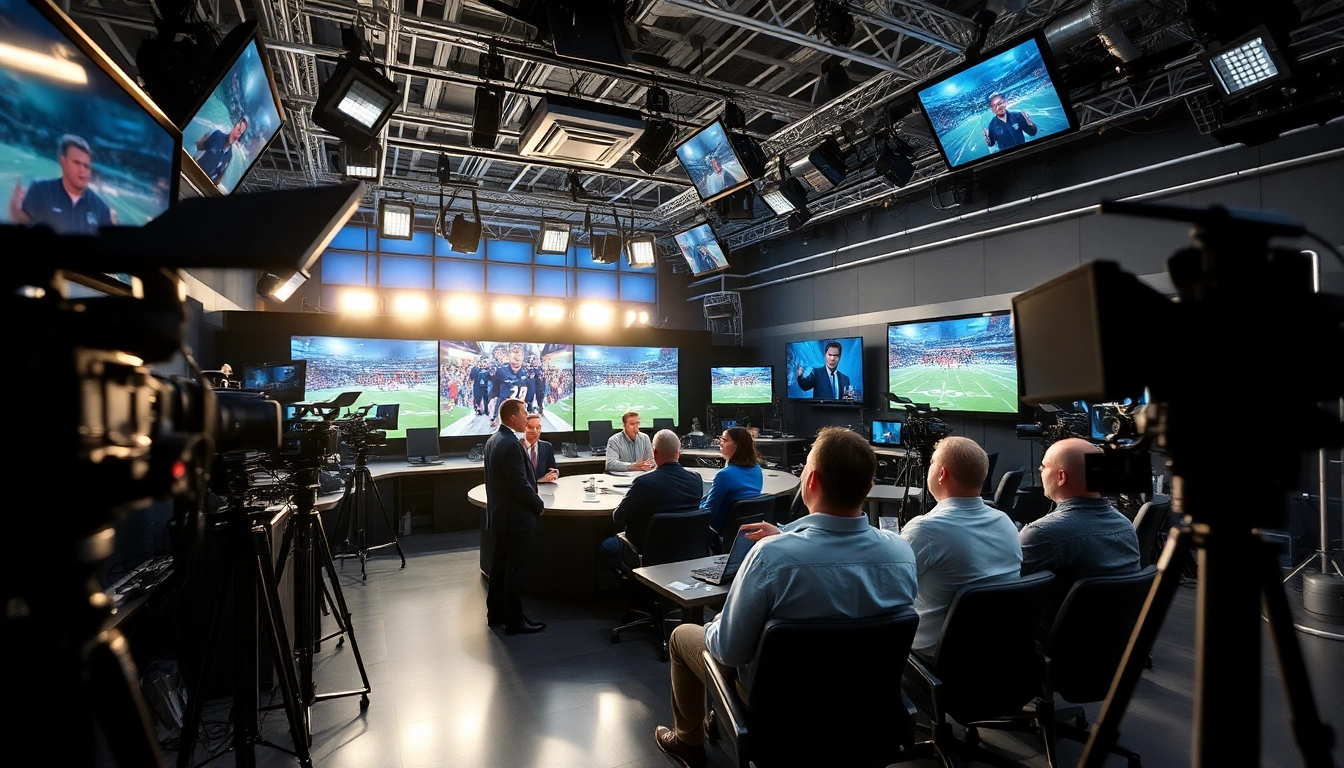
Understanding Sports Broadcasting
Sports broadcasting has evolved from simple radio announcements to sophisticated multi-channel viewing experiences that engage millions around the globe. The realm of Sports Broadcasting comprises various elements, including live commentary, expert analysis, and real-time engagement with fans. This article explores the extensive history, components, platforms, and technologies that define sports broadcasting, as well as the challenges and future landscape of the industry.
History of Sports Broadcasting
The journey of sports broadcasting began in the early 20th century with radio broadcasts that provided play-by-play commentary. As technology progressed, television took over as the main medium, revolutionizing how audiences consumed sports. The 1950s and 1960s saw the rise of televised sports, laying the foundation for major sports leagues to negotiate lucrative broadcasting rights. By the late 20th century, cable networks expanded options for consumers, leading to increased competition among networks for exclusive rights. The digital revolutionaire brought a rapid shift, with streaming services becoming the latest trend in how sports are disseminated to viewers.
Key Components of Sports Broadcasting
At its core, sports broadcasting involves multiple components, including the production of content, the presence of commentators, and the utilization of graphics. Producers orchestrate the entire broadcast from pre-game planning to post-game analysis, ensuring a seamless experience for viewers. Commentators are vital for bringing excitement and context to what unfolds on the field, while graphics provide valuable stats and replays that enhance understanding. Together, these elements create engaging broadcasts that keep audiences coming back for more.
Major Sports Broadcast Platforms
Today, several major platforms dominate the sports broadcasting landscape. Traditional television networks such as ESPN and FOX Sports continue to play pivotal roles. However, the rise of digital platforms like YouTube TV, Hulu Live, and specialized sports channels has diversified viewership options. These platforms leverage technology to offer features such as on-demand replays, multi-angle viewing, and custom content selection, allowing fans to engage with sports in previously unimaginable ways.
Technological Advancements in Sports Broadcasting
Impact of Streaming Services on Sports Broadcasting
The emergence of streaming services has profoundly impacted sports broadcasting. Platforms like Amazon Prime Video and DAZN have disrupted traditional broadcast models, allowing fans to watch games from any device, anywhere. This accessibility has transformed viewer habits and expectations, making it essential for both traditional networks and new entrants to adapt. The ability to personalize viewing experiences enhances viewer satisfaction and opens new revenue streams through subscription models.
Virtual Reality and Augmented Reality in Sports
Virtual reality (VR) and augmented reality (AR) technologies are increasingly being integrated into sports broadcasting. VR allows fans to experience games as if they were attending in person, unlocking immersive experiences. On the other hand, AR enhances broadcasts by overlaying interactive graphics during live games. As these technologies develop, they promise to change how sports are consumed, fostering greater engagement and providing unique angles of the action.
Analytics and Big Data in Sports Broadcasting
Data analytics is now at the forefront of sports broadcasting, providing insights that shape broadcasts and enhance viewer engagement. Real-time analytics offer viewers deeper understanding and context about player performance, game strategies, and historical comparisons. By harnessing the power of big data, networks can present compelling narratives and engage audiences through customized content, leading to heightened interest and loyalty.
Challenges in Sports Broadcasting
Navigating Licensing and Rights Issues
One of the most significant challenges in sports broadcasting is navigating the complex web of licensing and rights issues. Networks must secure broadcasting rights from leagues and teams, which can be expensive and fraught with negotiations. This complexity increases with the involvement of multiple stakeholders, often resulting in legal disputes. Understanding the intricacies of these contracts is crucial for broadcasters to ensure they can deliver content without interruptions.
Adapting to Changing Audience Preferences
As consumer preferences shift, sports broadcasters face the challenge of remaining relevant. Audiences increasingly favor mobile-friendly and on-demand content over traditional linear broadcasts. Understanding these preferences is essential for broadcasters to retain viewership. Developing innovative content formats, such as highlights and analysis tailored for social media, can help engage younger audiences who are accustomed to digesting shorter snippets of information.
Competition from Alternative Media
The rise of alternative media platforms presents both competition and opportunities for traditional sports broadcasters. Social media and user-generated content have spawned a new wave of coverage that rivals official broadcasting. These platforms allow fans to interact, share opinions, and create content in real-time, which can dilute the influence of traditional broadcasters. To stay ahead, networks need to embrace these trends and find ways to collaborate with alternative media while enhancing their own offerings.
Best Practices for Engaging Viewers
Creating Interactive Broadcast Experiences
To engage viewers effectively, broadcasters should focus on creating interactive experiences. This can include live polls, Q&A sessions with analysts, and social media integration during broadcasts. By allowing viewers to participate, networks can foster a sense of community and connection that goes beyond passive viewing. Interactive broadcasts can deepen viewer engagement and encourage audiences to share these unique experiences with others.
Leveraging Social Media for Audience Engagement
Social media platforms are critical in enhancing audience engagement during sports events. Broadcasters can utilize these channels for real-time updates, behind-the-scenes content, and fan-driven discussions, creating a 360-degree experience around each game. Social media also allows broadcasters to tap into trending topics and conversations, maintaining relevance and increasing reach. Establishing a strong social media presence can greatly augment broadcast strategies.
Enhancing Accessibility in Sports Broadcasting
To cater to diverse audiences, enhancing accessibility in sports broadcasting is vital. This involves providing subtitles, sign language interpreters, and multi-language options to accommodate various viewers. Additionally, considering adaptive technologies for disabled viewers can broaden the reach and inclusivity of broadcasts. A commitment to accessibility not only enhances viewer experience but also builds brand loyalty.
The Future Landscape of Sports Broadcasting
Expected Trends and Innovations
The future of sports broadcasting will likely see continued innovations, particularly in AI and machine learning. These technologies can analyze viewer behavior, allowing broadcasters to tailor content and advertising strategies effectively. Additionally, advancements in 5G technology will enable higher-quality, lower-latency broadcasts, making it easier for fans to access live events with minimal interruptions.
Long-term Implications for the Industry
Long-term implications for the sports broadcasting industry revolve around adaptability and viewer-centered innovations. As the landscape evolves, broadcasters must remain agile, ready to pivot as new technologies emerge and audience needs shift. Success will depend on how well networks balance traditional broadcasting with emerging trends, staying at the forefront of the industry.
Preparing for Future Changes in Sports Broadcasting
To prepare for future changes, sports broadcasters should invest in research and development, keeping a close watch on technology trends and consumer behaviors. Continuous engagement with audiences, testing new formats, and exploring partnerships with tech companies can help create robust strategies. Proactively embracing change will be key in ensuring long-term success in the ever-evolving world of sports broadcasting.
Frequently Asked Questions
1. What is sports broadcasting?
Sports broadcasting refers to the live transmission of sporting events through media channels, including television, radio, and online platforms. It encompasses commentary, analysis, and highlights to enhance viewer experience.
2. How has technology impacted sports broadcasting?
Technology has revolutionized sports broadcasting with advancements in streaming services, augmented reality, real-time analytics, and interactive content, enhancing viewer engagement and accessibility.
3. What are the key challenges in sports broadcasting?
Key challenges include licensing and rights issues, adapting to audience preferences, and competing with alternative media. Broadcasters must navigate these complexities to remain relevant.
4. How can broadcasters engage viewers effectively?
Broadcasters can engage viewers through interactive broadcasts, leveraging social media for real-time updates, and ensuring accessibility for diverse audiences. These strategies enhance audience loyalty.
5. What does the future hold for sports broadcasting?
The future of sports broadcasting includes advanced technologies like AI, machine learning, and improved 5G connectivity, enabling personalized experiences and higher-quality broadcasts.