What is 3PL?
Definition of 3PL
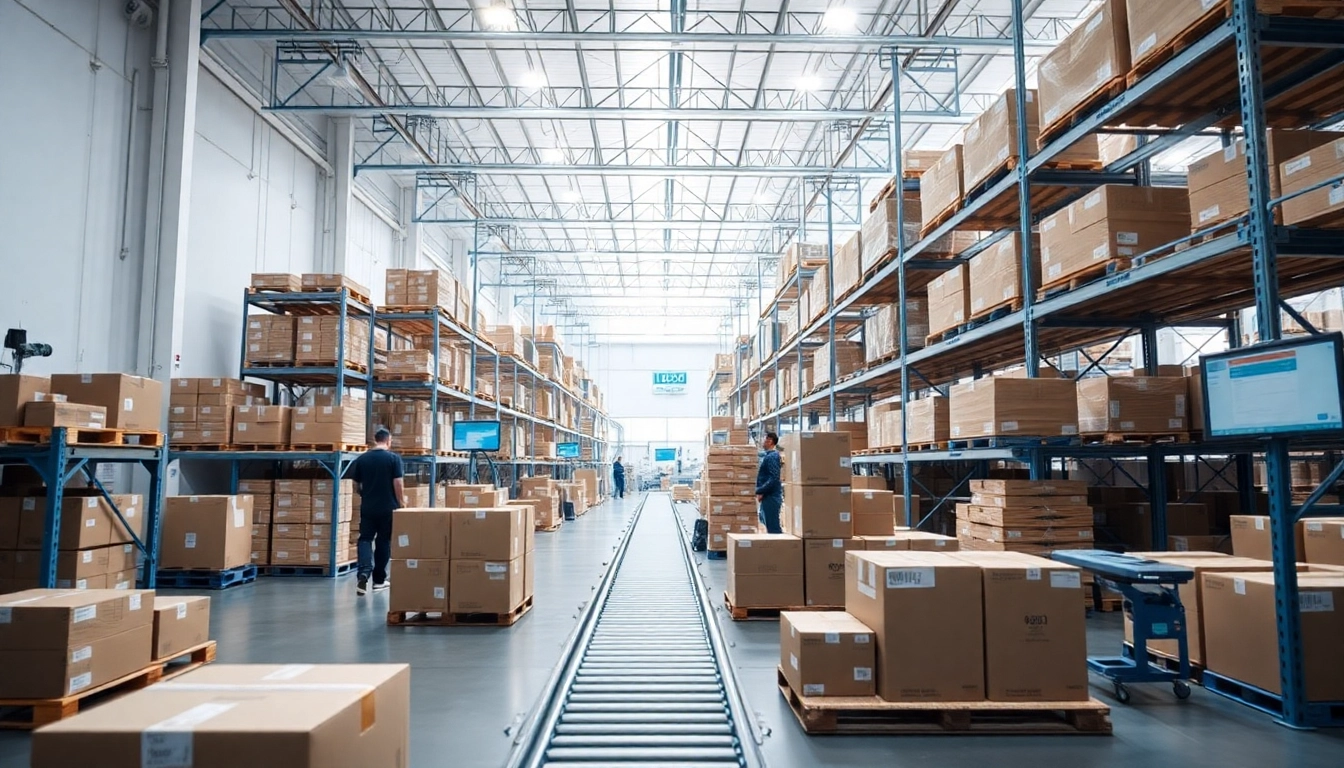
Third-party logistics, commonly referred to as 3PL, signifies a business model where companies delegate their logistics operations to external service providers. These logistics services can encompass a variety of functions, including transportation, warehousing, inventory management, order fulfillment, and even reverse logistics. Essentially, a 3PL provider acts as an extension of a company’s supply chain and is responsible for the tasks that revolve around the movement and storage of goods.
History and Evolution of 3PL
The concept of third-party logistics dates back to the mid-20th century when businesses began seeking more efficient ways to manage their supply chains. At its inception, 3PL primarily involved transportation and freight forwarding. As market demands grew and businesses expanded globally, the logistics landscape evolved. By the 1990s, 3PL providers began offering a more comprehensive range of services that integrated warehousing and order fulfillment. The rise of eCommerce in the 2000s further accelerated this growth, necessitating advanced technology solutions and real-time inventory tracking.
Importance of 3PL in Supply Chain Management
3PL plays a crucial role in supply chain management by providing expertise and resources that many companies may lack in-house. It allows businesses to focus on their core competencies while entrusting logistics to specialized service providers. In an era where consumer expectations are at an all-time high, 3PL is invaluable for ensuring timely deliveries and managing complex logistics networks. Moreover, the scalability of 3PL solutions enables companies to respond rapidly to changes in market demand without the burden of overhead costs associated with maintaining expansive logistics systems.
Benefits of Utilizing a 3PL
Cost Efficiency and Resource Allocation
One of the significant advantages of utilizing a 3PL is cost efficiency. By outsourcing logistics operations, companies can reduce the costs associated with hiring and training a logistics team, as well as overheads tied to maintaining warehouses and vehicles. Furthermore, 3PL providers often have established relationships with carriers and suppliers, enabling them to negotiate better shipping rates. This results in savings that can be passed on to the company, improving overall profitability.
Focus on Core Business Functions
When businesses partner with a 3PL, they can reallocate focus from logistical challenges to core functions such as product development, marketing, and customer service. This reallocation of resources not only boosts efficiency but also fosters innovation, as teams can dedicate more time and energy toward activities that generate revenue and enhance customer experiences. By letting experts handle logistics, companies can invest in growth strategies and improve their bottom line.
Scalability and Flexibility
3PL services provide inherent flexibility and scalability, which are critical in today’s fast-paced business environment. Companies can easily scale their logistics operations in response to seasonal fluctuations in demand, special promotions, or unexpected market changes without the need to invest in additional infrastructure. This adaptability helps businesses maintain a competitive edge, meeting evolving consumer expectations while minimizing risk and financial exposure.
Types of 3PL Services
Transportation and Distribution Services
Transportation services offered by 3PL providers include freight forwarding, routing, and management of both shipments to and from warehouses. They ensure that goods are delivered accurately and on time while optimizing routes and managing logistics operations to reduce costs. This can involve both domestic and international transportation, utilizing various modes such as trucking, air shipping, and maritime transport.
Warehousing and Inventory Management
Warehousing is another core component of 3PL services. Providers typically have strategically located warehouses that enable efficient storage and management of inventory. Through technology and automation, they implement inventory control systems that track stock levels, manage replenishment cycles, and streamline order processing. This level of efficiency is crucial for companies that operate in fast-moving markets, ensuring that they can meet consumer demands without delay.
Order Fulfillment and Reverse Logistics
Effective order fulfillment is vital for customer satisfaction, and 3PL providers excel in this area. They manage the entire order process, from receiving and processing orders to picking, packing, and shipping. Additionally, 3PLs often handle reverse logistics, which involves processes for returns and exchanges. By managing these aspects of logistics, companies can enhance customer service and maintain loyalty.
Choosing the Right 3PL Provider
Assessing Your Company's Needs
Determining the specific needs of your business is the first step in selecting an appropriate 3PL provider. This involves analyzing your current logistical operations and identifying areas for improvement, including budget constraints, shipping volume, regional needs, and specific service requirements. A thorough assessment ensures that the selected 3PL aligns well with your company’s overall goals and can support your growth strategies.
Evaluating 3PL Provider Capabilities
Once your needs are clear, evaluating potential 3PL providers is crucial. This evaluation should consider their experience in your industry, the range of services offered, technology capabilities, and geographic coverage. Additionally, financial stability and reputation in the market are important indicators of a provider’s ability to deliver consistent and reliable services. Consider seeking out reviews and testimonials or even visiting their facilities to gain deeper insights into their operational practices.
Key Questions to Ask a Potential 3PL Partner
During the selection process, it's essential to engage with potential 3PL partners and ask targeted questions that address your specific concerns. Inquire about their technology solutions, integration capabilities with your current systems, their approach to customer service, and key performance metrics they use to measure success. Questions about scalability and their ability to respond to changes in demand are also critical. Additionally, ask about contingency plans for disruptions to equipment or transportation.
Measuring Performance and Success with 3PL
Key Performance Indicators (KPIs) for 3PL
To gauge the effectiveness of your 3PL partnership, establishing relevant Key Performance Indicators (KPIs) is essential. Common KPIs include order accuracy rates, inventory turnover rates, shipping time, and return rates. Monitoring these metrics provides visibility into performance and helps identify any areas requiring attention or improvement. It’s important to align specific KPIs with your organizational goals to effectively measure and enhance your logistics operations.
Monitoring Effectiveness and ROI
Regular monitoring of effectiveness and return on investment (ROI) is vital in maintaining a successful 3PL partnership. This involves continuously assessing the data collected from KPIs in relation to your logistics costs and overall business performance. Regular reviews of performance metrics will highlight how well the 3PL is servicing your needs and will inform decision-making process regarding future logistics strategies or partnerships.
Continuous Improvement Strategies
The logistics landscape is continuously evolving, and so too must your strategies for working with a 3PL provider. Implementing continuous improvement practices—through ongoing training, embracing new technology, and soliciting customer feedback—will ensure that your logistics operations remain agile and responsive. Regular audits of your 3PL performance, alongside proactive communication with your provider, can lead to enhanced efficiencies and sustained operational excellence.