Understanding Remote Monitoring and Management (RMM)
In today's fast-paced digital landscape, businesses continuously seek innovative solutions that enhance efficiency, productivity, and security. Remote Monitoring and Management (RMM) has emerged as a critical technology enabling organizations to achieve these objectives. This comprehensive article will explore what RMM is, how it operates, its benefits, common challenges, best practices for effective implementation, and future trends in this vital field.
Definition and Key Concepts
Remote Monitoring and Management (RMM) refers to the suite of tools and processes that allow IT professionals to remotely monitor, manage, and maintain various IT assets and systems. This technology enables IT departments and Managed Service Providers (MSPs) to oversee distributed computer networks, servers, and endpoints without being physically present. The core purpose of RMM is to streamline IT operations, reduce downtime, and enhance overall system reliability.
RMM encompasses various functions, including performance monitoring, software updates, security management, and data backup. By utilizing RMM tools, organizations can proactively identify issues before they escalate into significant problems, thereby ensuring smoother operations and improved service delivery.
How RMM Works
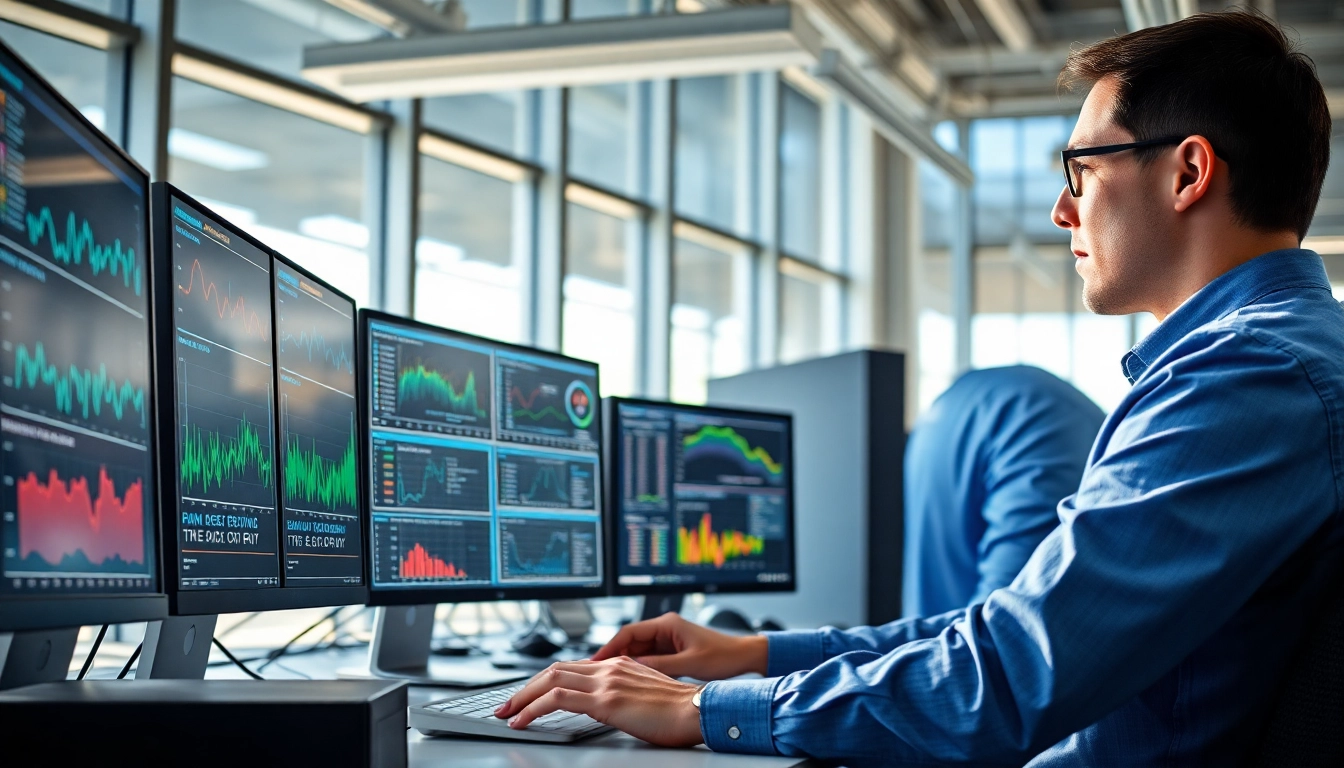
The functionality of RMM lies in its versatile software architecture, which agents are installed on all managed devices. These agents collect data about the system's performance and health, such as CPU usage, memory utilization, disk space, and security threats. This data is then transmitted to a centralized dashboard accessible by IT administrators or MSPs.
Upon receiving the data, the RMM system allows for real-time monitoring and reporting. Alerts can be triggered when thresholds are exceeded or when anomalies are detected. For instance, if a server's CPU usage exceeds 80%, the RMM tool can alert the IT team to investigate the issue promptly. Moreover, RMM facilitates remote access, enabling IT professionals to resolve issues directly on the endpoint device without needing on-site visits. This capability significantly reduces response times and enhances overall operating efficiency.
Benefits of Implementing RMM
Implementing Remote Monitoring and Management offers numerous advantages for organizations looking to optimize their IT operations. The key benefits include:
- Proactive Monitoring: RMM tools allow for continuous monitoring of systems, enabling the proactive identification and resolution of potential problems.
- Cost Efficiency: By reducing the need for on-site visits and minimizing downtime, RMM can lead to significant cost savings.
- Improved Security: RMM solutions often include security features such as patch management and malware protection, enhancing the overall security posture of an organization.
- Streamlined IT Operations: Automated processes for updates and maintenance free up time for IT staff to focus on strategic initiatives.
- Enhanced Reporting and Analytics: RMM tools provide valuable insights through reporting, enabling better decision-making based on data.
Common Challenges in Remote Monitoring and Management (RMM)
While the implementation of RMM brings with it numerous benefits, organizations may also encounter several challenges that need to be addressed:
Data Privacy and Security Concerns
As RMM systems handle sensitive data, organizations must be cautious about data privacy and security. Unauthorized access, potential data breaches, and compliance with regulations can pose significant risks. It is paramount that organizations implement strong access controls, encryption methods, and robust security protocols to safeguard their data.
Technical Issues and Downtime
Despite the reliability of RMM solutions, technical issues can still arise. Interruptions in service, software compatibility problems, or failures in agent communication can result in downtime, impacting productivity. Companies should ensure constant monitoring of their RMM systems and have contingency plans in place to address these issues swiftly.
Sustaining Staff Training and Knowledge
The evolving nature of technology requires continuous staff training and knowledge enhancement. Organizations must invest in training programs to ensure that IT staff are well-versed in RMM tools and best practices. Regular training sessions and access to educational resources can mitigate the risk of knowledge gaps over time.
Choosing the Right Remote Monitoring and Management (RMM) Solution
Selecting the appropriate RMM solution is crucial to maximizing its benefits for your organization. Here are some considerations when evaluating RMM tools:
Key Features to Look For
Not all RMM solutions are created equal. When choosing an RMM solution, look for features such as:
- Real-time monitoring capabilities
- Automated patch management
- Remote access functionality
- Security management tools
- Comprehensive reporting and analytics options
Evaluating Vendor Reliability
It is essential to assess the reliability and reputation of RMM vendors. Consider factors such as customer reviews, industry certifications, and support services. A reliable vendor will provide responsive customer support and regular updates to their software, ensuring that your RMM solution remains effective and secure.
Cost Considerations and ROI
Cost is a significant factor in selecting an RMM solution. Organizations should evaluate the total cost of ownership, including licensing fees, implementation costs, and ongoing maintenance expenses. Additionally, calculating the return on investment (ROI) can help justify the expense by factoring in increased efficiency, reduced downtime, and improved service delivery.
Best Practices for Effective Remote Monitoring and Management (RMM)
To fully harness the potential of RMM, organizations should adopt best practices for its implementation and management. Consider the following approaches:
Proactive Monitoring Techniques
Establishing proactive monitoring techniques is crucial for early detection of potential issues. Set benchmarks and alerts for critical performance metrics to gauge system health. Regular system audits can also assist in identifying outdated software or security vulnerabilities.
Integration with Existing Systems
RMM solutions should seamlessly integrate with existing systems and workflows. Assess the compatibility of RMM tools with other software and platforms used within your organization. This integration helps streamline IT processes and enhances overall efficiency.
Regular Performance Assessments
Conducting regular performance assessments allows organizations to evaluate the effectiveness of their RMM implementation. Analyze metrics such as response time, service interruptions, and user satisfaction to determine areas for improvement and inform future strategies.
The Future of Remote Monitoring and Management (RMM)
The landscape of RMM is continually evolving, impacted by emerging technologies and shifting industry trends. The following sections explore these innovations and their implications:
Emerging Technologies and Trends
As cloud technology advances, RMM solutions are becoming increasingly sophisticated. The integration of IoT devices into business operations is expanding RMM's scope, as remote monitoring capabilities extend to diverse endpoint types. Furthermore, the advent of 5G technology is enhancing connectivity, enabling real-time data transmission and improved responsiveness.
Impact of AI and Automation on RMM
Artificial intelligence (AI) and automation are set to revolutionize RMM. AI algorithms can analyze large volumes of data, identifying patterns that may indicate issues before they occur. Automation can streamline routine tasks, enabling IT departments to focus on strategic initiatives while ensuring that systems operate smoothly.
Predictions for the Industry
Looking ahead, the future of Remote Monitoring and Management (RMM) is bright. Market demand will likely continue to rise as organizations seek efficient solutions for their IT infrastructures. Enhanced capabilities driven by AI and IoT, coupled with the ongoing need for increased security and performance optimization, will define the trajectory of RMM moving forward.
The knowledge and application of Remote Monitoring and Management (RMM) are essential for any organization striving for operational excellence in an interconnected world. By understanding its benefits, overcoming challenges, and implementing best practices, businesses can leverage RMM tools to support their growth and ensure sustainable success.