Understanding Kitchen Worktop Materials
Kitchen worktops are a critical component of kitchen interiors, serving both functional and aesthetic purposes. When selecting the right worktop material for your kitchen, it's essential to understand the various materials available and their unique properties. This Comprehensive guide to kitchen worktop materials delves into the key characteristics, benefits, and maintenance needs for different types of worktops, ensuring you make an informed choice.
What Are Kitchen Worktop Materials?
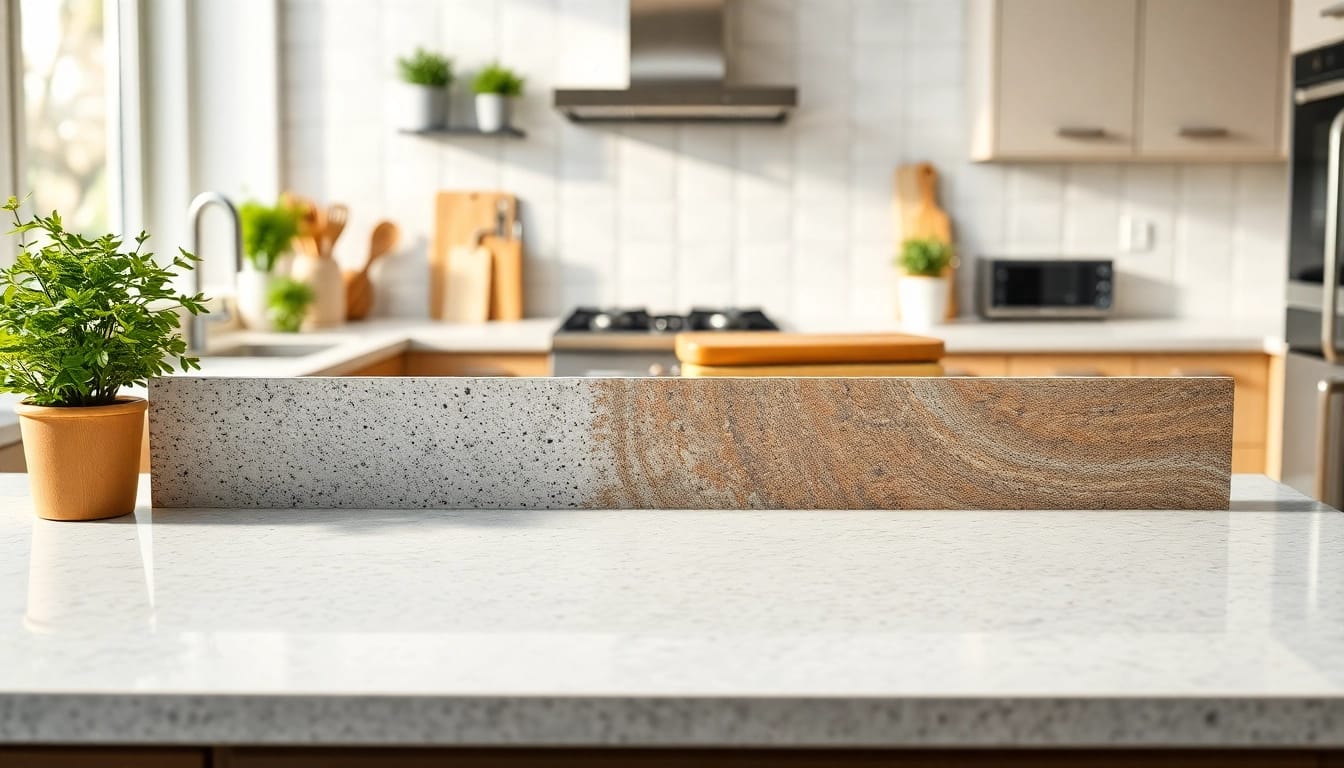
Kitchen worktop materials are surfaces designed to provide a durable and functional area for food preparation, cooking, and other kitchen activities. These materials come in a variety of styles, compositions, and finishes, allowing homeowners to select options that meet their aesthetic preferences and practical needs. The primary categories of kitchen worktop materials include natural stone, engineered materials, wood, and laminate, each offering a distinct look and performance characteristics.
Key Characteristics of Popular Materials
Understanding the characteristics of various kitchen worktop materials can help you choose the best option for your lifestyle. Here are some key attributes:
- Durability: Materials like granite and quartz are highly durable and resistant to scratches and heat.
- Aesthetic Appeal: Elements such as color, pattern, and finish can significantly vary across materials, impacting the kitchen's overall look.
- Maintenance: Some materials require more care than others. For instance, wood needs regular sealing, while granite requires periodic resealing.
- Cost: The costs associated with different materials can vary widely. It's important to consider your budget in relation to the type of material you prefer.
Benefits of Choosing the Right Material
Choosing the right worktop material enhances both the functionality and aesthetics of your kitchen. Effective decision-making ensures that the worktop will withstand daily use while complementing the overall design theme of the space. It can also impact the long-term maintenance costs and the ease of cleaning. In summary, selecting the best material contributes to creating an efficient, beautiful, and sustainable kitchen environment.
Granite: The Timeless Choice
Overview of Granite as a Worktop Material
Granite is a natural stone formed from cooled magma and consists primarily of quartz, feldspar, and mica. It is celebrated for its unique patterns and colors, often adding a touch of luxury to kitchens. Available in a wide range of shades and finishes, granite worktops are both versatile and stunning, making them a popular choice for many homeowners.
Pros and Cons of Granite Worktops
While granite worktops have numerous benefits, they also come with some considerations:
- Extremely durable and resistant to scratches and heat.
- Unique patterns and colors add character to any kitchen.
- Increases property value due to its luxurious appeal.
- Granite can be expensive compared to other materials.
- It may require periodic sealing to prevent staining.
- The weight of granite requires reinforced cabinetry for support.
Care and Maintenance Tips for Granite
To maintain the elegance of granite worktops, follow these tips:
- Clean spills immediately to prevent staining.
- Use pH-neutral cleaners and avoid abrasive pads.
- Seal the surface every 1-2 years, depending on usage.
- Avoid placing hot pans directly on the surface to prevent thermal shock.
Quartz: Durability Meets Style
Understanding Quartz Composition
Quartz worktops are engineered stone surfaces made from about 90-95% crushed natural quartz mixed with resins, polymers, and pigments. This process allows for a wide range of colors and finishes while maintaining the durability of natural stone. Quartz surfaces are non-porous, making them resistant to stains and moisture.
Advantages of Quartz Worktops
Quartz surfaces boast numerous advantages:
- Non-porous: This characteristic makes quartz highly resistant to stains and bacteria.
- Variety: It comes in an extensive range of colors and patterns, allowing for extensive design flexibility.
- Low maintenance: Requires no sealing and is easy to clean with soap and water.
Cleaning and Maintenance for Longevity
While quartz is low-maintenance, here are some guidelines to ensure its longevity:
- Use a soft cloth and mild detergent for routine cleaning.
- Avoid harsh chemicals and bleaches that can damage the surface.
- Do not place hot items directly on the surface; use trivets instead.
Laminate: A Cost-Effective Alternative
Features and Variants of Laminate
Laminate worktops are constructed from layers of resin and paper that are fused together under heat and pressure. This manufacturing process provides a durable and cost-effective surface available in numerous colors and patterns, including styles that mimic natural stone.
Benefits of Choosing Laminate Worktops
Choosing laminate offers several benefits:
- Affordability: Generally more budget-friendly than natural stone options.
- Easy to clean: Non-porous surfaces require minimal maintenance.
- Versatile designs: High-quality laminates can mimic the look of more expensive materials.
How to Maintain Laminate Surfaces
To preserve laminate worktops, consider these maintenance practices:
- Clean regularly with mild soap and water.
- Avoid using abrasive cleaners or scrubbers that can scratch the surface.
- Use cutting boards to prevent scratches and avoid placing hot pots directly on the surface.
Choosing the Right Worktop for Your Kitchen
Factors to Consider in Your Decision
When selecting a worktop material, consider the following factors:
- Budget: Determine how much you are willing to spend before exploring options.
- Usage: Assess your cooking habits and how much wear and tear the surface will endure.
- Design: Choose materials that harmoniously fit your kitchen's overall aesthetic.
Budgeting for Your Kitchen Worktop
Establishing a budget involves various considerations beyond just the initial purchase price; you should also factor in installation costs, maintenance, and potential long-term repairs. Setting a realistic budget enables you to explore materials that meet both your aesthetic preferences and financial capabilities.
Trends in Kitchen Worktop Design
Current trends indicate a growing preference for minimalist designs, bold colors, and textured finishes. Sustainability is another critical consideration, with eco-friendly materials and production methods gaining popularity. Understanding these trends can help you select a worktop that is not only functional but also stylish and contemporary.
Frequently Asked Questions
What is the most durable kitchen worktop material?
Granite and quartz offer exceptional durability and resistance to scratches and heat, making them ideal choices.
How do I maintain laminate kitchen worktops?
Clean with mild soap and water, avoid abrasive cleaners, and use cutting boards to prevent scratches.
Can I install a granite worktop myself?
Granite worktops are heavy and require professional installation to ensure proper fit and finish.
What are the aesthetics of quartz worktops?
Available in various colors and patterns, quartz worktops provide a sleek, polished design suitable for modern kitchens.
Are wooden worktops a good option?
Wooden worktops can add warmth but require regular sealing and maintenance to prevent damage from moisture.