Understanding the Role of a Videographer
What is a Videographer?
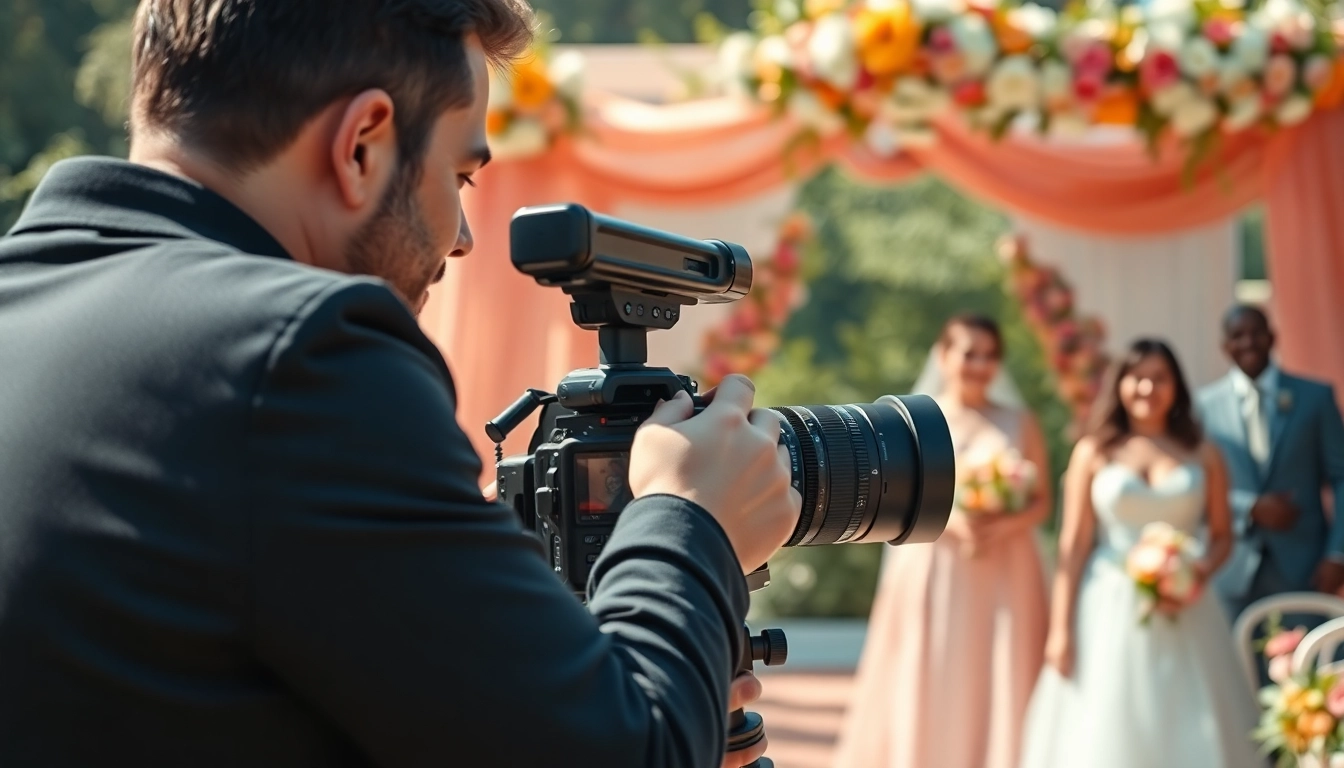
A Videographer is a professional who specializes in the art of capturing and producing video content. Unlike traditional cinematographers who may work in large film productions, videographers often work independently or as part of smaller teams. They are involved in various activities, from planning and shooting to editing the footage and finalizing the video for client presentation. Their work is vital in numerous domains, including weddings, corporate events, music videos, and marketing campaigns.
Key Skills and Attributes of a Videographer
To excel as a videographer, several key skills and attributes are essential:
- Technical Proficiency: A profound understanding of video cameras, microphones, lighting equipment, and editing software is crucial. Videographers must be able to set up and operate equipment under various scenarios to achieve the desired visual effects.
- Storytelling Abilities: The ability to craft a compelling narrative through visual means is one of the defining traits of an effective videographer. This includes understanding pacing, shot composition, and how to evoke emotion through imagery.
- Creativity: Creativity plays a significant role in videography. The best videographers can think outside the box and utilize unique angles, techniques, and styles to enhance their storytelling.
- Attention to Detail: Quality videography requires close attention to details — from ensuring the right focus to capturing the correct audio levels, every aspect matters to produce a polished final product.
- Interpersonal Skills: Since videographers often work directly with clients and subjects, excellent communication and collaboration skills are necessary for understanding client needs and capturing genuine moments.
Types of Videography Services Offered
Videographers provide a diverse range of services, catering to various needs:
- Event Videography: This includes capturing milestone events such as weddings, birthdays, and corporate gatherings. Event videographers document these occasions, focusing on significant moments and emotions.
- Corporate Videography: Many businesses hire videographers for promotional videos, training content, and conferences. This type of videography aims to market the brand or provide information effectively.
- Documentary Videography: This style focuses on storytelling, often covering real-life events or situations. Documentary videographers work to capture the essence of their subjects authentically.
- Commercial Videography: Creating ads for television or online platforms falls under this category. Videographers collaborate with brands to develop visually engaging content that communicates a message or promotes a product.
- Creative Productions: This includes music videos, short films, and experimental projects where artistic expression is a top priority.
How to Select the Best Videographer for Your Needs
Evaluating Experience and Portfolio
When selecting a videographer, evaluating their experience is essential. Reviewing their portfolio allows you to assess their style, quality of work, and versatility. Look for the following:
- Diversity of Work: A good portfolio should showcase a range of styles and subjects. This diversity reflects the videographer’s adaptability and creativity.
- Production Quality: Pay attention to the technical quality of the videos regarding lighting, sound, editing, and overall production value. High-quality videos indicate a proficient videographer.
- Client Testimonials: Checking reviews or client testimonials can provide insight into their professional reputation and reliability.
Tips for Interviewing Potential Videographers
Once you have a shortlist of potential videographers, conducting interviews is crucial to find the right match. Here are some effective strategies:
- Ask About Their Process: Inquire about how they approach projects, from pre-production planning to final delivery. Understanding their workflow will help set expectations.
- Discuss Your Vision: A competent videographer should be open to understanding your vision and discussing how they can bring it to life. Share your ideas and see how they respond.
- Clarify Equipment Proficiency: Ask about the equipment they use. While you may not need to be a tech expert, understanding whether they use up-to-date technology is important.
Understanding Pricing and Package Options
Videography services can vary significantly in cost based on factors such as experience, project length, and complexity. Here are some tips for navigating pricing:
- Packages and Custom Quotes: Many videographers offer package deals that include different services, such as pre-production meetings or editing. Understanding these packages can help you assess value.
- Inquire About Additional Costs: Ensure to ask about any potential additional costs, such as travel expenses, extra hours, or special equipment needs.
- Budget Considerations: Set a clear budget beforehand. This helps you avoid overspending and allows the videographer to tailor their suggestions to your financial limits.
Preparing for Your Videography Session
Essential Questions to Ask Your Videographer
Preparation enhances the videography experience for all involved. Asking the right questions can provide clarity and improve collaboration:
- What are Your Availability and Timelines? Understanding the videographer’s schedule helps in planning the shoot effectively.
- How Do You Handle Client Feedback? Knowing their process for incorporating input can ensure you get what you expect.
- What Will Be Delivered After the Project? Clarify the number of edited videos, length, format, and whether you will receive raw footage.
Creating a Shot List and Storyboard
Having a clear vision before filming starts sets a solid foundation for a successful outcome. Creating a shot list and storyboard aids in this process:
- Shot List: Enumerating the specific shots you want helps the videographer understand your priorities and ensures no critical moments are missed.
- Storyboard: This visual outline can help you and the videographer discuss how the narrative will flow, including particular scenes or messages you wish to convey.
Coordinating with Other Vendors
Effective collaboration with other vendors involved in your event, such as photographers and event planners, can optimize the videography process:
- Pre-Event Coordination: Communicate with other vendors about schedules, locations, and any specific requirements to streamline the operation on the event day.
- Sharing Contact Information: Providing a list of key contacts (including other vendors) allows for quick communication during the event when coordination is crucial.
The Impact of Quality Videography on Event Success
How Videography Enhances Event Memories
High-quality video captures the essence of events, allowing moments to be cherished long after they have passed. Key benefits of quality videography include:
- Reliving Experiences: Videos offer a dynamic way to experience special events. Clips can evoke emotions and memories that static images may not fully convey.
- Sharing Moments: In today’s digital age, well-produced videos can be easily shared across social media platforms, allowing clients to relive and share their special moments with family and friends.
Utilizing Videography for Marketing and Promotion
Businesses can significantly enhance their marketing efforts through professionally produced videos. Key advantages include:
- Increased Engagement: Compelling visuals attract more views and interactions than text alone, making videography a powerful marketing tool.
- Brand Storytelling: Videos allow brands to share their story, values, and missions in ways that connect emotionally with their audience.
Testimonials: Success Stories from Past Clients
Real-life testimonials from clients can showcase the impact of videography:
- Emotional Connections: Clients often express how a videographer captured pivotal moments, creating lasting emotional connections beyond the day itself.
- Enhanced Brand Image: Testimonials frequently emphasize how high-quality video content contributed to successful marketing campaigns, enhancing brand perception.
Trends and Innovations in Videography
Current Techniques and Technologies in Videography
Staying abreast of the latest techniques and technologies is essential for any videographer or client seeking quality work:
- 4K and 8K Resolution: Higher resolution technologies provide unparalleled video clarity and detail, making them increasingly sought for professional work.
- Live Streaming: The demand for live streaming services has risen dramatically, particularly for events like weddings and corporate functions, allowing audiences to engage in real-time.
The Use of Drones in Videography
The adoption of drones has revolutionized the field of videography, offering unique perspectives and dynamic footage:
- Captivating Aerial Shots: Drones enable videographers to capture stunning aerial views that add a dramatic flair to various projects.
- Cost-Effectiveness: Drones have become more accessible and affordable, allowing smaller projects to benefit from aerial cinematography without breaking the bank.
Future Directions for the Videography Industry
Looking ahead, several trends are shaping the future of videography:
- Virtual Reality (VR): As VR technology advances, the demand for immersive video experiences will likely grow, pushing videographers to innovate further.
- Artificial Intelligence (AI): AI in editing and production processes may streamline workflows and enhance video quality.