
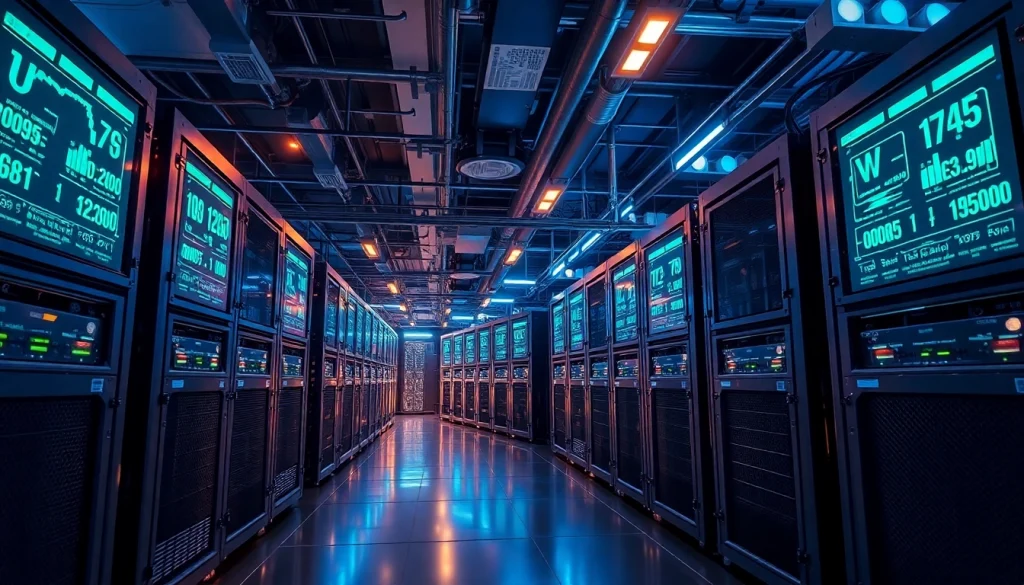
Understanding Crypto Mining Fundamentals
In the fast-evolving landscape of digital currencies, crypto mining stands out as a critical component of blockchain technology, enabling the creation of new coins while securing the network. The process invites not only seasoned tech enthusiasts but also newcomers eager to explore the potential of cryptocurrencies. With a combination of hardware, software, and an understanding of the intricate processes involved, mining represents both an art and a science. As the interest in crypto mining continues to grow, so does the necessity for a clear understanding of its fundamentals.
What is Crypto Mining and How Does It Work?
At its core, crypto mining is the computational process used to validate and confirm transactions on a blockchain. When a transaction occurs, it is grouped with others into a block, which miners compete to solve through complex mathematical problems. The first miner to solve the problem gets to add the block to the blockchain and is rewarded with newly minted coins, as well as transaction fees. This system not only secures the transaction but also regulates the issuance of new coins, maintaining a steady supply and reducing inflation.
The Importance of Blockchain in Crypto Mining
Blockchain technology is the backbone of crypto mining. It functions as a decentralized ledger that records all transactions across a network of computers. Each block in the blockchain contains a cryptographic hash of the previous block, linking them together securely. This structure ensures that once a block is added to the blockchain, it cannot be altered without altering all subsequent blocks, making the system inherently secure. The immutability and transparency of blockchain are what allow miners to ensure that the transactions they validate are legitimate and cannot be tampered with.
Key Terminology Every Miner Should Know
- Hashrate: This measures the computational power of a miner’s hardware, indicating how many attempts they can make per second to find a new block.
- Block Rewards: The compensation miners receive for validating transactions, usually in the form of the cryptocurrency being mined.
- Difficulty: A measure of how hard it is to find a new block. This adjusts regularly based on the network’s overall hashrate to ensure a steady production of blocks.
- Mining Pools: Groups of miners who combine their computational power to increase their chances of earning rewards, sharing profits according to their contributed work.
Types of Crypto Mining
ASIC vs. GPU Mining: Which is Right for You?
Two primary methods dominate the crypto mining landscape: ASIC (Application-Specific Integrated Circuit) and GPU (Graphics Processing Unit) mining. ASIC miners are specialized hardware built specifically for mining certain cryptocurrencies, offering superior efficiency and higher hashrates. However, they can be expensive and are typically limited in versatility. On the other hand, GPU mining uses graphics cards that can mine a variety of cryptocurrencies, making it a more flexible option for hobbyist miners. While they offer less efficiency for mining Bitcoin, GPUs can be profitable for mining altcoins, especially those that are less competitive.
Cloud Mining: Pros and Cons
Cloud mining allows individuals to rent mining power from remote data centers, offering an enticing alternative to owning hardware. This method eliminates the issues of maintenance and high electricity costs associated with traditional mining. However, it carries significant risks, such as the potential for scams and the lack of control over operations. Additionally, the profitability of cloud mining can be significantly lower than that of owning and operating one’s mining rig, making it essential for miners to conduct thorough research before committing to any cloud mining service.
Solo Mining vs. Pool Mining: A Comparative Analysis
Solo mining involves mining independently, which means miners retain all the rewards if they successfully solve a block. This method is challenging due to the high difficulty levels in the current mining landscape, making it less feasible for individual miners without significant resources. Conversely, pool mining enables miners to combine resources, increasing their chances of earning rewards while sharing profits based on contributed efforts. While pool mining offers more regular income, solo miners have the potential for larger payouts when successful, albeit with longer wait times between rewards.
Setting Up Your Crypto Mining Operation
Essential Hardware and Software Requirements
To establish a successful crypto mining operation, one must consider both hardware and software requirements. For ASIC miners, specialized machines built for specific algorithms are essential. In contrast, GPU miners require high-performance graphics cards, a reliable motherboard, ample RAM, and efficient cooling systems. Additionally, miners need mining software, which can range from user-friendly applications designed for beginners to more complex setups for advanced users. Choosing the right combination of hardware and software is crucial in determining the efficiency and profitability of your mining activities.
Understanding Mining Difficulty and Hashrate
Mining difficulty is a crucial factor that indicates how challenging it is to earn rewards from mining. This difficulty adjusts every 2016 blocks for Bitcoin, ensuring that blocks are mined approximately every ten minutes. Conversely, hashrate reflects the total computational power of the mining network, affecting the overall difficulty. New miners must understand these concepts as they directly influence mining profitability and the feasibility of competing with established miners in the space.
Choosing the Best Mining Pool for Your Needs
With various mining pools available, selecting one that aligns with your mining goals is essential. Factors such as pool size, reward structure, fees, and payment methods will affect your overall earnings. Researching the pool’s reputation and history can provide insights into its reliability and profitability. Smaller pools may offer higher rewards per block due to lower competition, while larger pools can provide more consistent payouts due to frequent block discoveries.
Maximizing Profitability in Crypto Mining
Calculating Mining Profits and Costs
Understanding the economics of mining is essential for maximizing profitability. Miners need to calculate their operational costs, including electricity, equipment maintenance, and initial hardware costs. Analyzing profitability involves using calculators that estimate potential earnings based on current mining difficulty, block rewards, and electricity prices. This data will help miners determine whether their operation is financially viable and identify areas for improvement.
Strategies for Reducing Energy Consumption
Energy consumption is a major concern in crypto mining due to its environmental impact and associated costs. Miners can adopt various strategies to minimize energy consumption. These include optimizing hardware performance, utilizing energy-efficient mining rigs, and leveraging renewable energy sources. Additionally, miners can schedule their operations during off-peak hours when electricity rates are lower, thus reducing overall expenses.
Staying Compliant with Legal Regulations
As the crypto mining industry matures, staying informed about legal regulations is imperative. Different countries and regions have varying laws regarding cryptocurrency mining, impacting operations. For instance, some jurisdictions impose restrictions or outright bans on mining due to environmental concerns. Miners should remain educated on local regulations and ensure compliance to avoid legal repercussions that can affect their mining operations.
Future Trends in the Crypto Mining Industry
Emerging Technologies Impacting Mining
The future of crypto mining is intertwined with emerging technologies that promise to revolutionize the industry. Innovations such as quantum computing could drastically alter the mining landscape by increasing processing speeds and efficiency. Additionally, advancements in AI and machine learning may optimize mining strategies, improving earned rewards and reducing operational costs. Keeping abreast of these developments will be essential for miners aiming to stay competitive in a rapidly evolving market.
The Shift Towards Sustainable Mining Practices
As environmental awareness grows, there is a significant shift towards sustainable mining practices. Eco-friendly mining solutions, such as utilizing renewable energy sources (solar, wind, etc.), are becoming more prevalent among miners. Some mining operations are even leveraging waste heat recycling and other green technologies to reduce their carbon footprint. This shift not only contributes positively to the environment but can also attract socially-conscious investors and users.
Predictions for the Crypto Mining Landscape in 2025
Looking ahead to 2025, the crypto mining landscape is expected to evolve considerably. With increasing regulatory scrutiny and environmental concerns, it is likely that we will see more robust frameworks governing mining practices. The rise of decentralized finance (DeFi) and Non-Fungible Tokens (NFTs) may also introduce new mining opportunities and challenges. As the industry matures, miners will need to adapt to evolving technologies, market dynamics, and regulatory environments to thrive.