
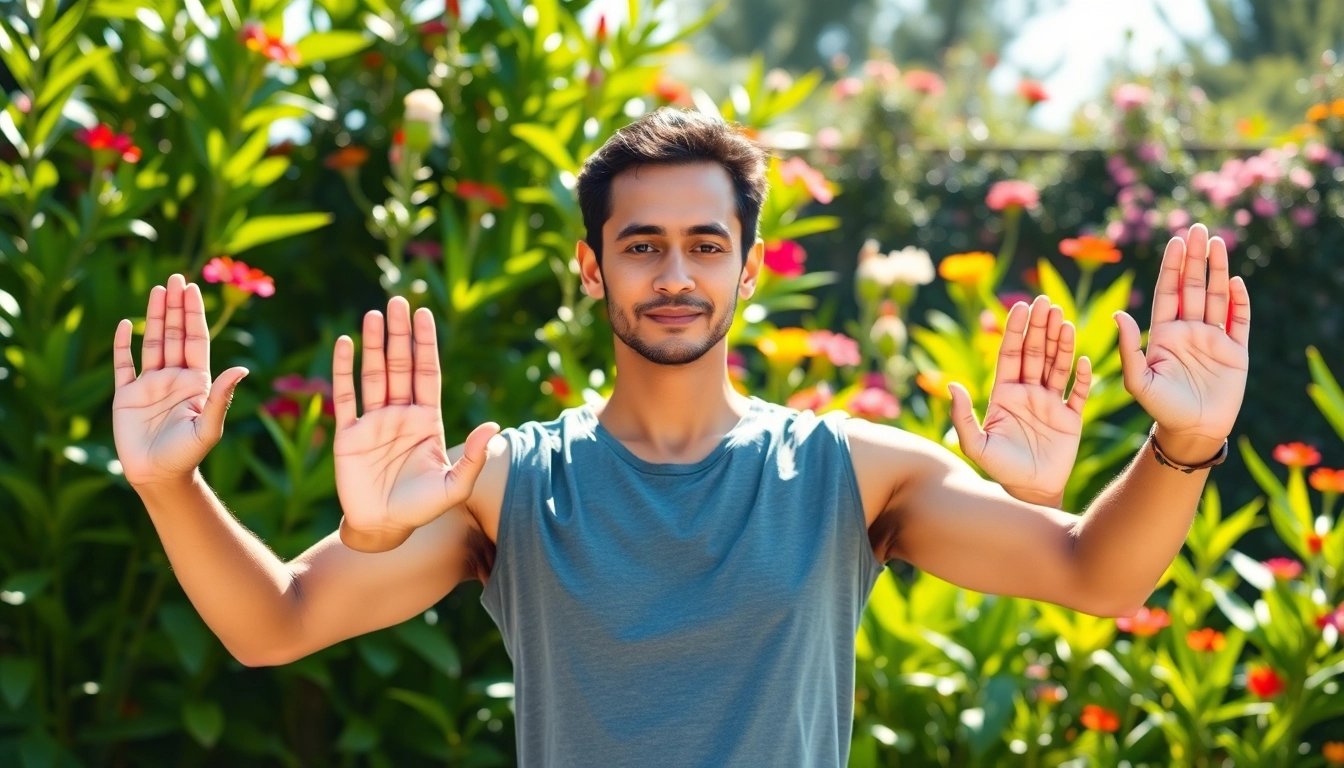
Understanding Yoga Mudras
What Are Yoga Mudras?
Yoga mudras are intricate hand gestures or seals that are commonly utilized in yoga practices to facilitate the flow of energy, enhance concentration, and promote a deeper connection between body and mind. The term “mudra” originates from Sanskrit, meaning “gesture” or “seal.” These gestures serve as a powerful means to activate the energy pathways within the body, channeling prana, or life force, effectively. Each mudra is believed to correspond with specific elements, emotions, and states of being, making them ideal tools for practitioners seeking balance and harmony.
In essence, yoga mudras can significantly enhance your meditation and yoga practices, allowing for deeper introspection and increased mindfulness.
History and Origins of Yoga Mudras
The practice of yoga mudras dates back thousands of years, with roots deeply embedded in ancient Indian scriptures and traditions. They have been largely documented in texts centered around yoga, tantra, and Ayurveda. Ancient sages and yogis recognized the potential of using hand gestures to affect the individual’s internal state and external environment. Over time, these gestures have morphed into a vital aspect of yogic practices, often supplemented with specific breathing exercises or meditation techniques, thereby enhancing their effectiveness.
Originally, mudras were seen as a way of conveying spiritual or philosophical messages during rituals. Each gesture carries a unique symbolic meaning, derived from various mythologies, spiritual beliefs, and the natural world. Traditional depictions often show deities and enlightened beings employing these gestures, further solidifying their sacred nature in the fabric of spiritual practice.
Benefits of Practicing Yoga Mudras
The advantages of incorporating yoga mudras into daily routines extend beyond mere physical enhancement; they encompass emotional, mental, and spiritual dimensions. Here are some notable benefits associated with the practice of yoga mudras:
- Enhanced Energy Flow: Mudras help in balancing the flow of prana, promoting overall vitality and reducing fatigue.
- Stress Relief: Certain mudras can induce relaxation, helping to alleviate anxiety and stress, which can be especially beneficial in today’s fast-paced world.
- Cognitive Improvement: Practices involving mudras are known to improve concentration, memory, and cognitive functions, making them useful for students and professionals alike.
- Physical Health: Many yoga mudras are linked with specific health benefits, such as improving digestion, enhancing respiratory function, and regulating circulation.
- Emotional Balance: Engaging in mudras can aid in managing emotions, offering a sense of empowerment and control over emotional states.
In addition to these benefits, mudras also foster a deeper connection with oneself, bridging the physical with the spiritual and opening doors to enhanced personal awareness.
Types of Yoga Mudras
Common Yoga Mudras and Their Meaning
There is a vast array of yoga mudras, each designed with specific intentions in mind. Here, we explore some of the most common mudras and their meanings:
- Gyan Mudra: Often used during meditation, this mudra involves connecting the tip of the thumb and index finger, symbolizing knowledge and wisdom.
- Prana Mudra: A gesture for vitality, formed by connecting the tips of the thumb, ring finger, and little finger, it is believed to improve energy flow in the body.
- Apana Mudra: With the thumb, middle finger, and ring finger held together, this mudra is associated with detoxification and grounding energy.
- Vyana Mudra: Comprising the thumb and middle finger touching, it aims to regulate the heart and enhance circulation.
- Prithvi Mudra: This mudra connects the thumb and ring finger, symbolizing stability and grounding, often used to strengthen the earth element within the body.
Each mudra serves a unique purpose, acting as a conduit for targeted energy flow and influence on different aspects of the practitioner’s life.
How to Perform Basic Yoga Mudras
Incorporating yoga mudras into your routine is simple, but proper technique is important to ensure you receive the maximum benefits. Here’s a step-by-step guide on how to perform some basic yoga mudras:
- Gyan Mudra: Sit in a comfortable position, with a straight back. Place your hands on your knees, palms facing upward. Touch the tip of your index finger to the tip of your thumb while keeping the other fingers extended. Focus on your breath, observing the flow of energy in your body.
- Prana Mudra: While seated, extend your arms out in front of you and touch the tips of your thumb to the tips of your ring and little fingers. Hold this position for several minutes, breathing deeply as you visualize energy circulating throughout your body.
- Apana Mudra: Assume a seated position with your back straight and relax your shoulders. Press the tips of your thumb, middle finger, and ring finger together, while extending the index and little fingers. Practice for at least five minutes while focusing on your intentions to release negativity.
Practice these mudras consistently to feel their benefits manifest in both your physical and emotional realms.
Advanced Yoga Mudras and Techniques
For practitioners looking to delve deeper into the world of yoga mudras, advanced techniques offer greater complexity and profound effects. These mudras often require enhanced focus, discipline, and an understanding of their energetic implications. Here are a few advanced mudras and methods:
- Shambhavi Mudra: This advanced mudra involves focusing the gaze at the third eye (the point between the eyebrows) while holding the fingers in a specific arrangement. It is believed to stimulate the pineal gland and enhance intuitive perception.
- Khechari Mudra: A more challenging practice that involves rolling the tongue back into the throat and placing it against the soft palate. This mudra is often associated with profound meditative states and expanding consciousness.
- Uttarabodhi Mudra: By bringing together the hands in front of the chest, fingers entwined — except for the index fingers which point upwards — this mudra helps in aligning the energy centers and is believed to promote enlightenment.
Performing these advanced mudras requires understanding not only the physical postures but also the mental focus and breath patterns that accompany them. Regular practice can lead to transformative experiences and growth.
The Science Behind Yoga Mudras
How Yoga Mudras Affect Energy Flow
The human body is composed of intricate energy networks, commonly referred to as “nadis” in yogic philosophy. Yoga mudras play a pivotal role in directing and influencing the flow of prana within these pathways. According to traditional beliefs, specific combinations of finger positions and hand gestures can either consolidate, redirect, or enhance energy flow.
From a physiological perspective, the meridian points in the hands are highly connected to various organ systems, creating a bridge between energetic and physical health. When practiced mindfully, yoga mudras can stimulate these points, promoting healing and equilibrium.
Psychological Effects of Yoga Mudras
The psychological implications of practicing yoga mudras are profound. Many practitioners report improved mental clarity and focus, reduced anxiety, and enhanced emotional well-being. The act of concentrating on specific gestures can anchor the mind, facilitating a meditative state conducive to introspection and self-awareness.
Furthermore, mudras assist in reinforcing positive mental patterns and belief systems, acting as reminders and motivators on one’s personal growth journey. Repeated use can evoke emotional healing, resilience, and a deeper sense of connection with one’s inner self.
Research on Health Benefits of Yoga Mudras
Scientific studies have increasingly supported the traditional claims about the benefits of yoga mudras. Recent research has delved into the physiological effects of specific mudras on stress levels, immunity, and overall health. For instance, studies indicate that engaging in certain mudras, paired with breathing techniques, can improve respiratory issues and augment vitality.
The mind-body connection fostered through guided mudra practices has shown tangible results in managing chronic illnesses and improving general well-being. As more research emerges, it becomes evident that incorporating yoga mudras into wellness routines offers comprehensive benefits.
Incorporating Yoga Mudras Into Daily Practice
Creating Your Yoga Mudra Routine
Establishing a personal routine for practicing yoga mudras can drastically amplify your yoga and meditation experience. Start by selecting a few mudras that resonate with your intentions or aspirations. Consider what you want to achieve through your practice, whether it’s stress relief, increased energy, or emotional balance.
Here’s a simple process to create an effective yoga mudra routine:
- Identify Goals: Understand what aspects of your life you wish to improve or focus on.
- Select Mudras: Choose mudras aligned with your goals. For example, if you want to enhance focus, include Gyan Mudra.
- Set a Schedule: Determine specific times during the day that work best for you, whether during meditation, yoga classes, or even while sitting at work.
- Practice Consistently: Dedicate at least 5-10 minutes daily to engage with your selected mudras.
Tips for Mindful Practice with Yoga Mudras
Mindfulness plays a significant role in the effective practice of yoga mudras. Here are some practical tips to enhance your mindful engagement:
- Create a Calm Space: Find a peaceful environment free of distractions where you can focus solely on your practice.
- Incorporate Breathwork: Pairing breath control with mudras can elevate your experience. Consider elongating your inhalations and exhalations to enhance energy flow.
- Stay Present: Maintain awareness of your body’s sensations and thoughts during practice. Observe how different mudras feel physically and emotionally.
Common Mistakes to Avoid When Practicing
While practicing yoga mudras can be rewarding, certain common pitfalls can hinder their effectiveness. Be mindful of the following errors:
- Inconsistency: Regular practice is key to realizing benefits. Avoid sporadic engagement with mudras; commit to a routine.
- Neglecting Mindfulness: Practicing mudras without focus can limit their impact. Ensure you engage both mind and body during your practice.
- Improper Technique: Ensure that you are performing mudras correctly. Incorrect hand positions can lead to ineffective practices.
By recognizing and addressing these mistakes, you can enhance your yoga mudra practice and experience their full range of benefits.
Exploring the Future of Yoga Mudras
Emerging Trends in Mudra Practices
As global interest in holistic health continues to gain momentum, yoga mudras are increasingly woven into mainstream wellness practices. Trends such as mindfulness and self-care are integrating hand gestures to create a more comprehensive approach to well-being.
Many practitioners are beginning to explore the combination of mudras with other forms of therapy, such as music therapy, cognitive behavioral therapy, and holistic healing methods, recognizing their profound potential to complement and enhance these modalities.
Integrating Technology and Yoga Mudras
With the advent of technology in the fitness and wellness industry, the practice of yoga mudras is experiencing a transformation. Virtual classes, mobile applications, and online tutorials are making it easier than ever to access expert guidance on mudra techniques and meditative practices. Additionally, wearable technology can track practitioners’ progress, helping users refine their practices based on real-time feedback and insights.
The Role of Yoga Mudras in Modern Wellness
In the context of contemporary wellness narratives, yoga mudras are carving out a unique space. They are increasingly recognized not only for their spiritual significance but also for their physical and psychological benefits. As research continues to validate these practices, mudras are being adopted by mental health professionals, fitness trainers, and wellness coaches to promote healing and balance in everyday life.
The future of yoga mudras is bright, as they continue to evolve and adapt within the mosaic of modern wellness. By integrating these hand gestures into daily practices, individuals can unlock new realms of healing and personal transformation.