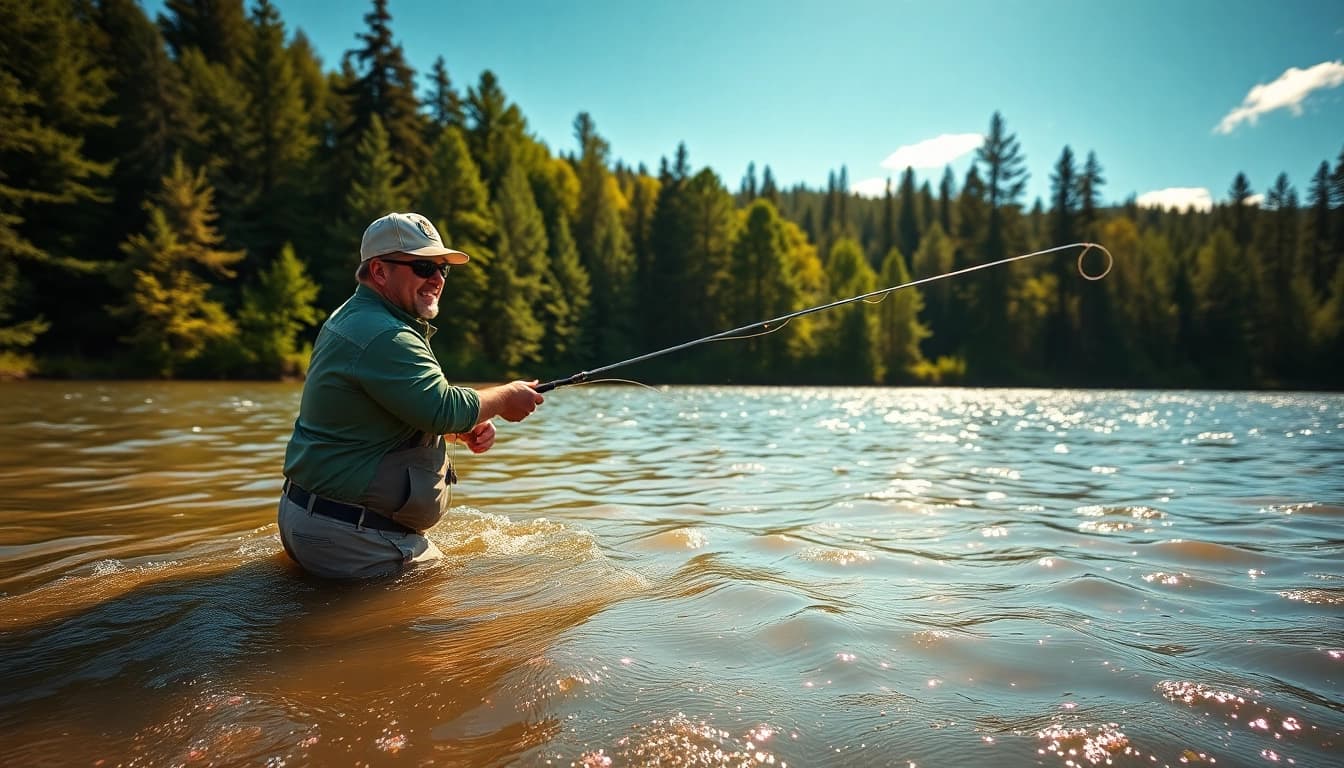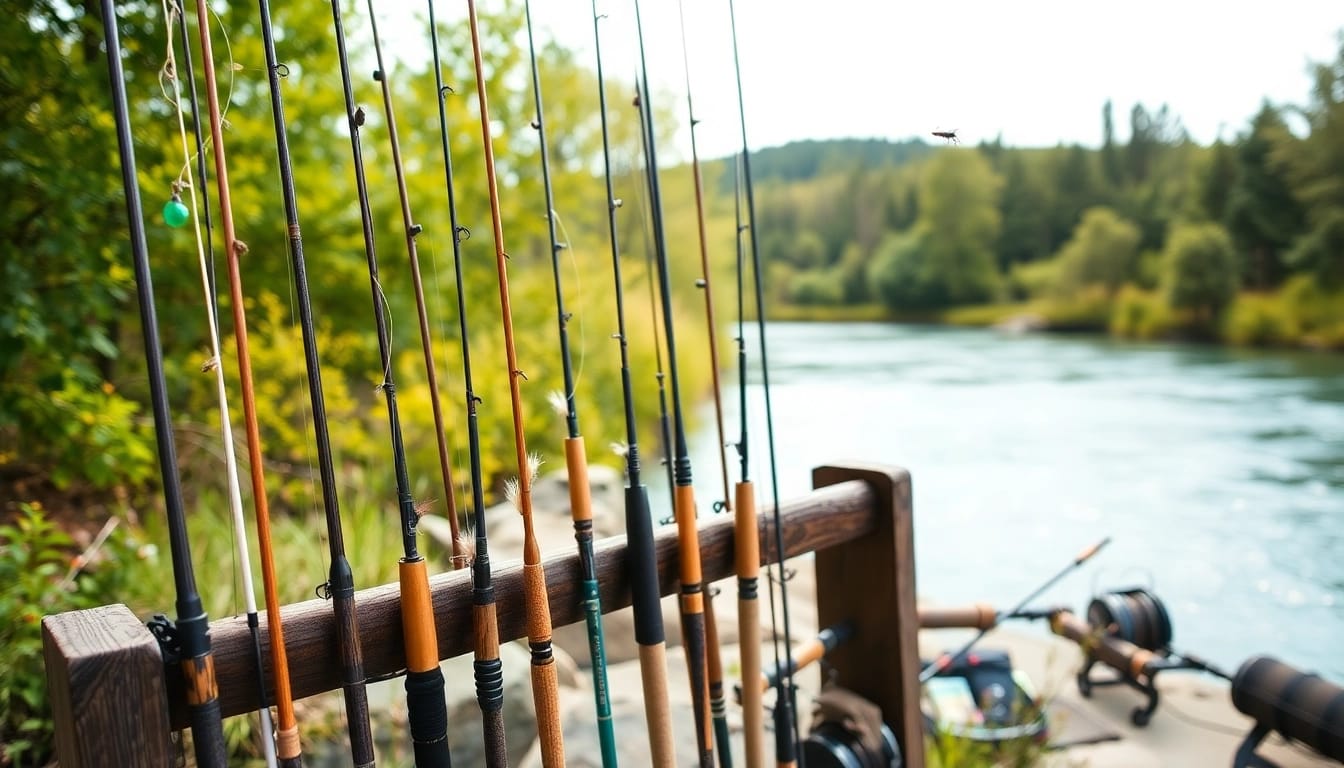
Understanding Fly Fishing Rod Basics
Fly fishing, an art form as much as a sport, requires precision and understanding of various techniques. At the heart of this sport is the fly rod, a crucial tool that dictates the effectiveness of every cast. Selecting the Best fly fishing rods for your needs is essential, as they come in different designs and materials tailored for specific fishing environments. In this guide, we will delve into the fundamental aspects of fly fishing rods, empowering you to make informed decisions whether you're an experienced angler or just starting.
What to Look for in the Best Fly Fishing Rods
Identifying the right fly rod involves several key factors, including rod weight, length, flexibility, and material. Rod weight is critical, as it corresponds to the type of line you intend to use and the size of the fish you aim to catch. Generally, a lighter rod is suitable for smaller fish, while heavier rods are required for larger species.
Length also plays a pivotal role; shorter rods excel in tight spaces like small streams, while longer rods offer better casting distance and leverage for larger bodies of water. Flexibility, often referred to as rod action, should be considered based on your casting style. Fast action rods bend near the tip, while slow action rods flex throughout the length, providing various casting styles and techniques.
Types of Fly Fishing Rods Explained
Fly fishing rods can typically be categorized into four primary types: single-hand rods, double-hand rods, switch rods, and spey rods. Single-hand rods are the most common choice for beginners and experienced anglers alike. These rods are versatile and suitable for various fishing situations.
Double-hand rods, on the other hand, are preferred for larger rivers or when targeting bigger fish species in larger bodies of water. Switch rods offer the flexibility of both types, enabling the angler to switch from single to double-handed casting as needed. Lastly, spey rods are designed for two-handed casting techniques, mostly used in larger river systems for fishing salmon and steelhead.
Choosing the Right Length and Weight
Finding the perfect length and weight for your fly rod involves understanding your fishing environment and target species. Typical rod lengths range from 7 to 10 feet, with shorter rods favored for smaller rivers and longer rods preferred for lakes and larger rivers. As for weight, most anglers start with a 5- or 6-weight rod as it strikes a balance between casting distance and fish handling capabilities.
The best way to choose is to consider your local fishing conditions, and don’t hesitate to consult with fellow anglers or local tackle shops. Grease any doubts by testing different rods and experiences for an informed choice.
Features of High-Quality Fly Fishing Rods
Materials and Construction Techniques
The quality of materials used in fly rods significantly influences their performance and durability. Most rods are made from either fiberglass or graphite. Fiberglass rods are known for their flexibility and durability, making them an excellent choice for beginners. However, graphite rods are lightweight, sensitive, and responsive, making them the preferred choice among seasoned professionals.
Moreover, construction techniques, such as wrapping, alignment, and finishing, can greatly determine the rod's action and sensitivity. Taper designs—how the rod tapers from the handle to the tip—affect casting precision and performance as well.
How Action Affects Performance
The action of a fly rod refers to how much and where the rod bends when pressure is applied. Understanding the different actions—slow, medium, and fast—can influence your casting techniques and overall success. Fast action rods are powerful and enable longer casts, while medium action rods provide a balance between distance and feel, making them suitable for various conditions. Slow action rods are forgiving and ideal for delicate presentations.
Choosing the appropriate action for your fishing style can help enhance casting performance and achieve greater success on the water.
Importance of Reel Compatibility
Choosing the right fly fishing reel to pair with your rod is as crucial as the rod itself. The reel should be compatible in terms of weight and size to ensure smooth retrieval and balance when casting. A well-matched rod and reel setup will improve your control over line tension and sensitivity, enhancing your overall fishing experience.
Pay attention to the drag system of the reel, which should correspond with the line and rod weight. A quality drag system regulates the line's release when a fish pulls, providing a seamless catch experience.
Popular Fishing Techniques and Their Rod Requirements
Dry Fly Fishing: The Right Gear
Dry fly fishing is an engaging technique where artificial flies are presented on the water's surface. For this method, a rod with a softer action and a lightweight tip is preferable. This setup allows for delicate presentations, essential for not spooking the fish as they rise to take the fly. A typical choice for dry fly fishing is a 5-weight, 9-foot rod, providing the versatility needed to cast in varying conditions.
Nymphing Techniques and Rod Selection
Nymphing, which involves fishing with sub-surface flies, requires a rod that can effectively manage line control and sensitivity. A medium-fast action rod with a sensitive tip allows anglers to detect subtle bites while maintaining the ability to cast longer distances. A popular choice for nymphing setups is a 10-foot, 3- or 4-weight rod, which offers the required depth control and feedback.
Streamers and Big Game Fishing Rods
When targeting larger fish species, such as bass or pike, using streamers requires a robust rod capable of handling heavier lines and larger flies. These rods are typically heavier, ranging from 7 to 9 weights and with fast actions to manage the weight of the flies while offering the power to set the hook. Choosing a rod designed for bigger game fishing can drastically enhance your efficiency.
Best Fly Fishing Rods for Beginners
Essential Features for New Anglers
Beginners should focus on choosing a versatile fly rod that balances ease of use with durability. A 9-foot, 5-weight rod is frequently recommended, as it provides adequate support for a range of fish sizes and fishing conditions. Opt for a rod with a forgiving action, which will compensate for casting inaccuracies while the angler builds skills.
Affordable Options Without Compromising Quality
Despite the high-end market, numerous affordable fly rod options do not sacrifice quality. Many reputable manufacturers produce entry-level systems that offer performance and durability catered to beginners. Look for packages that include a rod, reel, and fly line to jumpstart your fly fishing adventure without overspending.
How to Test and Choose Your First Rod
Testing different rods is a crucial step in choosing your first fly rod. Many local shops offer demo days or rentals, allowing beginners to experience various models firsthand. Pay attention to the rod's feel during casting. A comfortable rod will enhance your experience and help build confidence. Do not hesitate to ask experts for advice based on your local fishing conditions, as they can guide you in finding the right fit.
Expert Recommendations for Advanced Anglers
Top-Selling Fly Fishing Rods This Season
For advanced anglers, investing in premium fly rods can significantly elevate your fishing game. The top-selling rods typically feature advanced materials and construction techniques, maximizing performance. While premium rods can be an expensive investment, many seasoned anglers find the increased sensitivity and accuracy they provide is worth the cost.
Craftsmanship and Customization Options
High-end fly rods often come with superior craftsmanship, leading to an enhanced fishing experience. Customization options enable anglers to tailor rods to their specific preferences. Features like personalized grips or unique rod finishes can reflect personal style preferences while optimizing performance based on varying fishing conditions.
Maintaining Your Fly Fishing Rod for Longevity
Caring for your fly rod is vital for ensuring its longevity and performance. After each fishing trip, thoroughly clean your rod to remove dirt and residues. Store your rod in a cool, dry place to prevent materials from degrading. Additionally, inspect the guides and reel seat regularly for any signs of wear or damage. Proper maintenance extends the life of your equipment and enhances your overall fishing experience.