Understanding Metal Roofing Benefits
In recent years, metal roofing has emerged as a popular choice for homeowners looking for durable and efficient roofing solutions. With numerous metal roofing companies entering the market, understanding the advantages of metal roofs is crucial for making an informed decision. This section explores the myriad benefits that come with opting for metal roofing.
Durability and Longevity
One of the standout features of metal roofing is its exceptional durability. Unlike traditional roofing materials, metal roofs are built to withstand extreme weather conditions, including heavy rain, strong winds, and even hail. Many manufacturers guarantee their metal roofs for 30 years or longer, with some lasting up to 50 years or more with proper maintenance. This longevity not only ensures that you won't need frequent replacements but also increases your home's resale value. Furthermore, metal roofs resist warping, cracking, and corrosion, making them a reliable choice for any climate.
Energy Efficiency Advantages
Metal roofing is also an energy-efficient option. Many metal roofs are designed with reflective coatings that can significantly reduce heat absorption. This feature helps maintain a more consistent indoor temperature, ultimately lowering your energy bills. In fact, studies have shown that metal roofs can reflect solar radiant heat, which leads to a reduction in cooling costs by up to 25%. Choosing a light-colored metal roof can further enhance these benefits, making it an environmentally friendly option that contributes to energy savings and reduced carbon footprints.
Variety of Styles and Colors
When it comes to aesthetics, metal roofing doesn't fall short. Modern metal roofs are available in a wide variety of styles, colors, and finishes, allowing homeowners to customize their roofs to match their home's design. Options range from simulated shingles to standing seam panels, each providing different visual appeal. This versatility not only allows for creative expression but also enhances curb appeal, making metal roofing a popular choice for upscale residential properties.
Factors to Consider When Selecting Metal Roofing Companies
Choosing the right contractor is just as vital as selecting the material itself. Here are important considerations when evaluating metal roofing companies.
Experience and Expertise
Experience in the roofing industry can significantly impact the quality of installation. Look for companies with a proven track record in metal roofing specifically. Experienced contractors will have the necessary skills to ensure proper installation, which is crucial for maximizing the lifespan and performance of your roof. Requesting references and reviewing past projects can offer valuable insight into their expertise.
Customer Reviews and Feedback
Customer feedback serves as an essential barometer for the reliability of a roofing company. Reading reviews on platforms like Google, Yelp, or specialized home improvement sites can provide a more rounded picture of a company's reputation. Look for patterns in customer experiences regarding communication, craftsmanship, and post-installation support. Policymakers and industry boards sometimes provide valuable ratings as well.
Licensing and Insurance
Ensure that any metal roofing company you're considering is fully licensed and insured. A valid license indicates that they meet the state or local regulations, while insurance protects you against any liabilities during the installation process. Verify documentation and don’t hesitate to ask the company about their coverage options—all trustworthy contractors will be transparent about their credentials.
Comparing Quotes from Metal Roofing Companies
Once you've shortlisted a few metal roofing companies, the next step is comparing their quotes. Here’s how you can effectively evaluate them:
Breaking Down Costs
Don’t merely look at the final price when comparing quotes. A comprehensive breakdown should include materials, labor, and any additional costs such as permits or disposal fees. This detailed view will help you determine which company offers the best value and whether any particular quote stands out for its competitiveness.
Understanding Warranty Offers
Warranties can vary significantly among metal roofing companies, so it's critical to scrutinize the warranty details. A robust warranty will usually cover both materials and workmanship, while a longer warranty period can indicate confidence in product quality. Be sure to understand the terms so you can make an informed decision regarding the investment in your roof.
Assessing Value Beyond Price
While cost is an important factor, assess the value that comes with it. This includes the quality of materials used, the company's history and experience, customer service, and post-installation support. Often, choosing the cheapest option may lead to more expenses down the line due to inferior quality or poor installation.
Installation Process of Metal Roofing
Understanding the metal roofing installation process can prepare homeowners for what to expect. Here’s a typical breakdown:
What to Expect During Installation
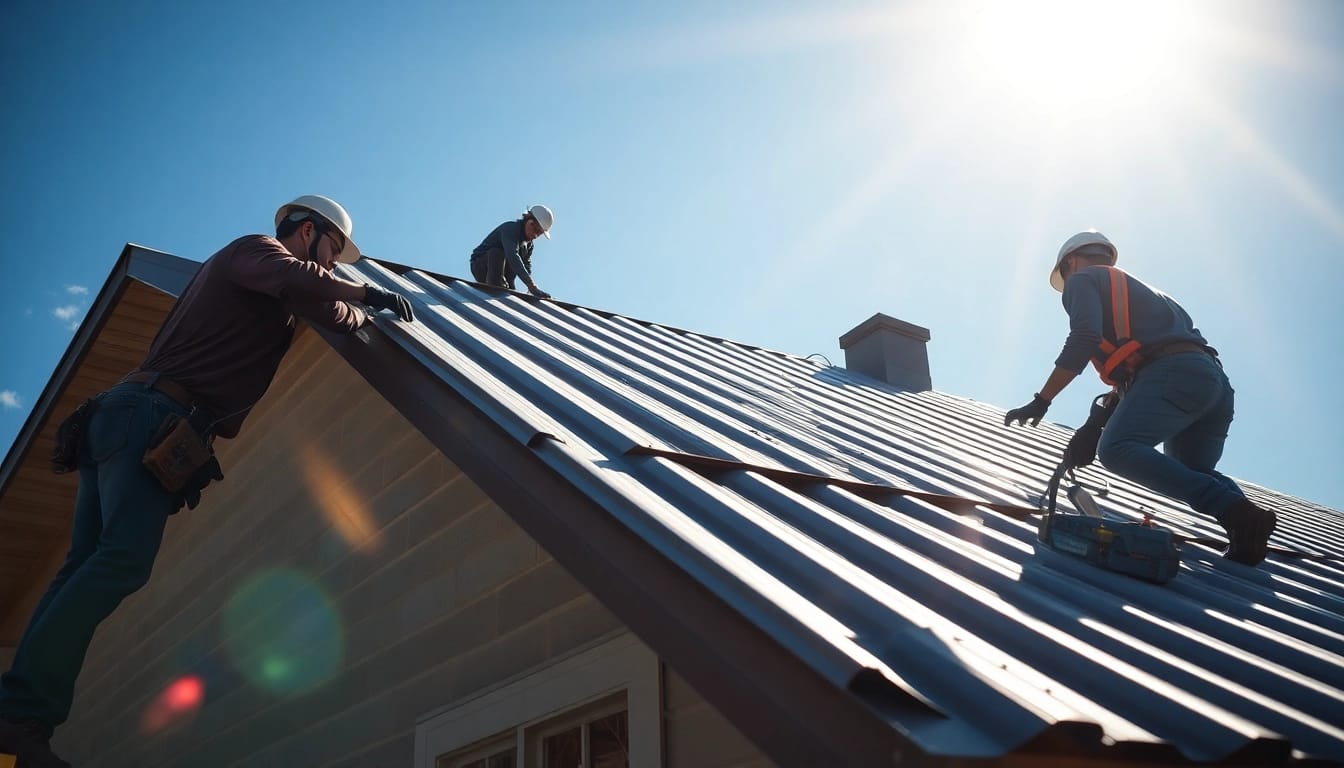
The installation process typically begins with an assessment of your existing roof and preparation of the site. This may include removing old shingles and repairs to underlying structures if necessary. Professional roofing teams usually start by laying down underlayment, followed by the metal panels. The entire process can take anywhere from a few days to a couple of weeks, depending on the roof's size and complexity.
Post-Installation Care Tips
Once your metal roof is installed, certain maintenance practices can help prolong its lifespan. Regularly checking for debris buildup, maintaining gutters, and inspecting for rust or damage are vital steps. Additionally, it's advisable to clean the roof periodically and to schedule a professional inspection every few years to ensure everything is in good condition.
Common Installation Mistakes to Avoid
Errors during installation can lead to leaks and reduced efficiency. Common mistakes include improper fastening, overlooking the importance of ventilation, and failing to account for thermal expansion. Homeowners should ensure their contractor has a solid installation plan in place to avoid these pitfalls.
Frequently Asked Questions about Metal Roofing Companies
What Types of Metal Roofing Are Available?
Common types of metal roofing include steel, aluminum, copper, and zinc. Each type varies in durability, weight, and corrosion resistance, catering to different aesthetic preferences and budgets.
How Long Does Metal Roofing Last?
Metal roofs typically last between 30 to 50 years, depending on materials and maintenance. High-quality installations can last even longer, making them a durable roofing option.
Are Metal Roofs Noisy During Rain?
Modern metal roofs are usually installed with insulation that helps reduce noise during rain or hail. Properly installed roofs should not be significantly louder than other roofing materials.
Can Metal Roofing Be Installed Over Existing Roofs?
Yes, metal roofing can often be installed over existing roofs, which can save time and reduce waste. However, local building codes and structural considerations will determine if this is feasible.
What Maintenance Is Required For Metal Roofs?
Metal roofs require minimal maintenance—regular inspections, cleaning debris, and ensuring drainage systems are clear are essential steps to maintain longevity and performance.