
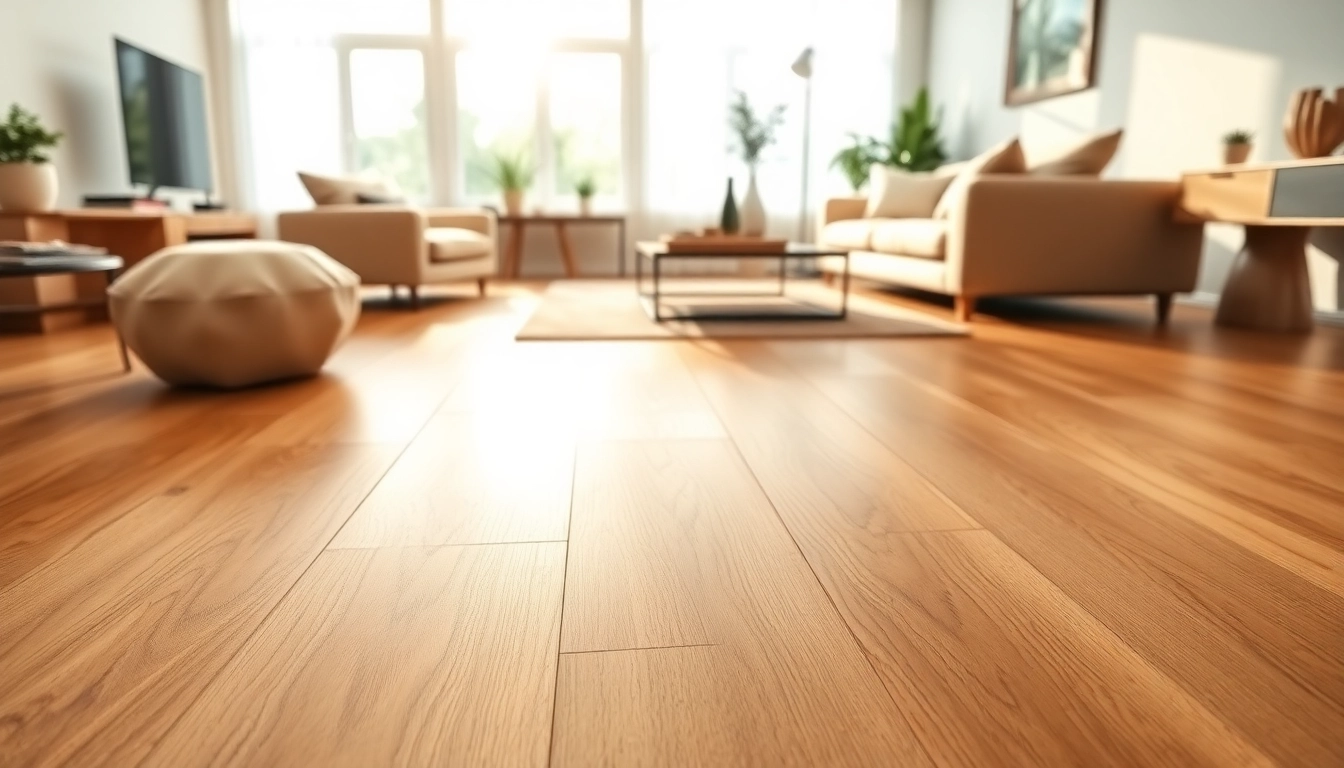
Understanding Vinyl Flooring Types
What is Vinyl Flooring?
Vinyl flooring is a synthetic flooring material made primarily from polyvinyl chloride (PVC), along with other compounds and additives to enhance its durability and aesthetic appeal. It mimics the look of natural materials like hardwood, stone, or tile, providing a versatile and often cost-effective solution for residential and commercial spaces. The unique structure of vinyl flooring enables it to resist moisture, making it suitable for high-traffic areas and spaces prone to spills or humidity, such as kitchens and bathrooms. Its flexibility and resilience often lead to comparisons with other materials, but it stands out due to its ease of maintenance and installation. For those considering a home renovation or new construction project, vinyl flooring can be an excellent choice.
Different Types of Vinyl Flooring
Vinyl flooring is available in a wide range of styles to suit different needs and preferences. Here are the primary types:
- Vinyl Sheets: This type offers a seamless look and is ideal for large areas. It comes in rolls that can be easily cut to fit specific dimensions, minimizing seams, which can help prevent moisture penetration.
- Vinyl Plank Flooring: Designed to resemble hardwood, vinyl plank flooring provides an authentic wood look. It often features a click-lock mechanism for easy installation and is available in various lengths and widths, providing a customizable aesthetic.
- Vinyl Tiles: Mimicking ceramic or stone, vinyl tiles can be installed in various patterns to create unique and intricate designs. They often have self-adhesive backing, making installation straightforward.
- Luxury Vinyl Tile (LVT): A premium option that combines the visual appeal of high-end materials with the durability of vinyl. Luxury vinyl tiles come in a wide range of designs, from rustic to modern, and are known for their comfort and resilience.
Benefits of Using Vinyl Flooring
Vinyl flooring offers numerous advantages, making it a preferred choice for many homeowners and business owners:
- Durability: Resistant to scratches, dents, and stains, vinyl flooring can withstand heavy foot traffic and daily wear and tear.
- Water Resistance: Many varieties, particularly luxury vinyl options, are waterproof, making them suitable for kitchens, bathrooms, and basements.
- Comfort: Vinyl flooring is softer underfoot compared to hard surfaces like tile or hardwood, providing a comfortable walking experience.
- Cost-Effective: Generally more affordable than hardwood or tile, vinyl flooring provides a high-quality look at a fraction of the price.
- Easy Maintenance: Regular sweeping and mopping are all that’s required to keep vinyl flooring looking its best, without the need for special products.
Installation Guide for Vinyl Flooring
Preparing Your Space
Before installing vinyl flooring, proper preparation of the area is essential to ensure long-lasting results. Start by removing any old flooring material and thoroughly cleaning the subfloor. Check for moisture issues, as excess dampness can lead to vinyl warping over time. Make sure the subfloor is level, as any inconsistencies can create a bumpy surface. It’s also wise to allow the vinyl planks or tiles to acclimatize in the room where they will be installed for 48 hours, adjusting to the room’s temperature and humidity.
Step-by-Step Installation Process
The installation process may vary depending on the type of vinyl flooring, but generally, the following steps can be taken:
- Measure and Plan: Begin by measuring the area accurately and planning the layout. This will help determine how much flooring material is needed and reduce waste.
- Cut the Material: Using a utility knife or vinyl cutter, cut the vinyl planks or tiles to the appropriate dimensions, allowing space for expansion around the edges, especially near walls.
- Apply Adhesive (if required): For glue-down vinyl, evenly apply adhesive to the subfloor, adhering to the manufacturer’s instructions.
- Install the Vinyl: Begin laying the first piece in the corner of your room, ensuring it is aligned properly. Continue placing the planks or tiles, applying enough pressure for adhesion.
- Finishing Touches: After installation, ensure all transitions and edges are secured using trims or moldings to create a polished look.
When to Hire a Professional
While many homeowners can tackle vinyl flooring installation as a DIY project, certain situations may necessitate hiring a professional. Consider the following scenarios:
- If you have an uneven subfloor that requires extensive leveling or repair.
- In situations where precise measurements are essential, such as in large, complex rooms with irregular shapes.
- If the flooring material requires specialized installation techniques beyond basic glue-down or click-lock methods.
- When you lack the time or confidence to ensure a quality installation.
Maintenance Tips for Vinyl Flooring
Cleaning and Care Procedures
To maintain the vibrant appearance of vinyl flooring, follow these cleaning and care tips:
- Regular Sweeping or Vacuuming: Dust and debris can scratch the surface, necessitating frequent cleaning.
- Mopping with Mild Cleaners: Use a damp mop with a pH-neutral cleaner specifically designed for vinyl to avoid damage.
- Avoid Harsh Chemicals: Stay away from abrasive cleaners and scrubbing tools that can dull the finish.
Preventing Damage
Taking precautionary measures can prolong the life of your vinyl flooring:
- Use Felt Pads: Place these pads underneath furniture legs to prevent scratches and dents.
- Reduce Sunlight Exposure: Use blinds or curtains to limit direct sunlight, which can fade colors over time.
- Maintain Temperature and Humidity: Keeping the indoor climate consistent can prevent expansion and contraction.
Long-Term Maintenance Strategies
For long-lasting vinyl flooring, implement these strategies:
- Regular Inspections: Periodically check for signs of wear, discoloration, or damage to address issues before they worsen.
- Shifting Furniture: Regularly rearranging furniture can help minimize indentations and wear patterns.
- Professional Cleaning: Consider hiring a professional deep-cleaning service every few years to rejuvenate the flooring.
Designing with Vinyl Flooring
Choosing Suitable Colors and Patterns
The choice of colors and patterns in vinyl flooring can significantly influence the look and feel of a space:
- Light Colors: Suitable for smaller spaces, they can help create an illusion of openness.
- Dark Colors: Adding warmth and sophistication, they are ideal for larger rooms with ample light.
- Patterns: Geometric and intricate designs can add character and uniqueness, especially in entryways and focal areas.
Incorporating Vinyl Flooring into Various Decor Styles
Vinyl flooring is versatile enough to complement various decor styles:
- Modern: Sleek, minimalist vinyl styles with clean lines enhance contemporary spaces.
- Rustic: Wood-like planks provide an authentic rustic charm, perfect for farmhouse designs.
- Industrial: Textured tiles can create an edgy, urban feel in loft-styled interiors.
Using Area Rugs to Enhance Aesthetics
Area rugs can be instrumental in enhancing the overall aesthetics of a room with vinyl flooring:
- Defining Spaces: Rugs can delineate areas in open floor plans, creating distinct zones.
- Adding Comfort: A soft area rug enhances comfort and warmth underfoot, especially in areas with high foot traffic.
- Incorporating Color: A vibrant rug can serve as an accent, bringing life to neutral-toned vinyl flooring.
FAQs about Vinyl Flooring
What is the lifespan of vinyl flooring?
Vinyl flooring typically lasts 10-25 years, depending on usage and maintenance.
Can vinyl flooring be installed over existing floors?
Yes, vinyl can often be installed over existing flooring, provided it is flat and clean.
Is vinyl flooring waterproof?
Many vinyl flooring options are waterproof, making them ideal for kitchens and bathrooms.
How do I clean vinyl flooring?
Use gentle cleaners and a damp mop to maintain the appearance and longevity of vinyl flooring.
Can I refinish vinyl flooring?
No, but you can replace damaged planks or tiles without needing a full floor replacement.


