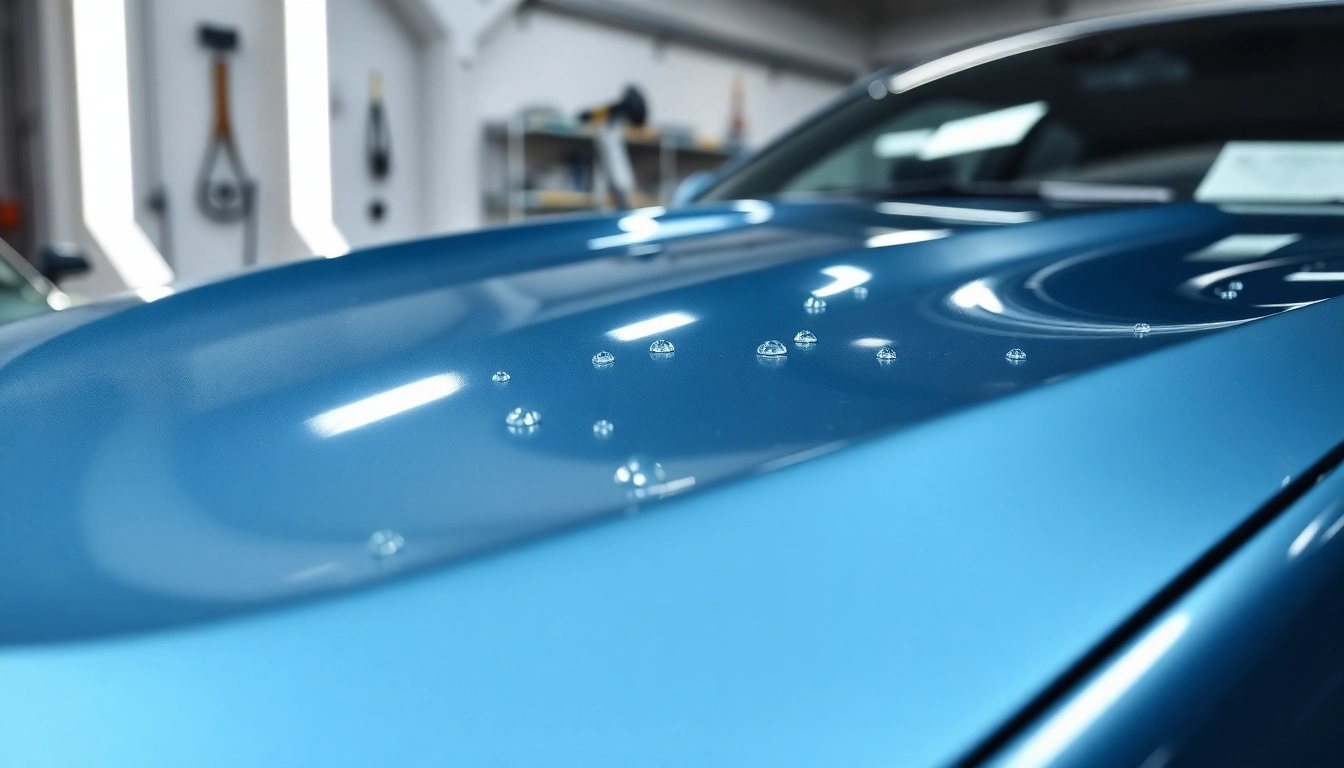
Understanding Salt Protection Ceramic Coating
What is Salt Protection Ceramic Coating?
Salt protection ceramic coating is an advanced protective layer applied to vehicles to guard against corrosive substances like road salt. It consists of nano-ceramic particles that bond with the surface of the vehicle, creating a durable shield that repels water, dirt, and contaminants. This specialized coating not only enhances the aesthetic appeal of the vehicle but also contributes significantly to its longevity by preventing damage caused by harsh environmental factors. For those seeking to protect their investment, the salt protection ceramic coating offers a robust solution in battling the adversities of salt exposure.
Benefits of Using Salt Protection Ceramic Coating
The advantages of employing salt protection ceramic coatings are numerous:
- Corrosion Resistance: These coatings provide a formidable barrier against salt, thereby significantly reducing the risk of rust and corrosion.
- Hydrophobic Properties: The water-repellent nature of the coating ensures that water beads off the surface, preventing the accumulation of moisture and grime.
- Ease of Cleaning: Surfaces treated with ceramic coatings are easier to clean due to their smooth texture, which minimizes dirt adherence.
- Enhanced Durability: Salt protection ceramic coatings can last for years, often warrantied for several years depending on the product, offering long-term value.
- UV Protection: The coatings also protect against UV rays, preventing fading and degradation of the paint finish.
How Does Salt Protection Ceramic Coating Work?
Salt protection ceramic coatings function on a molecular level. When applied, the nano-particles bond with the surface of the vehicle, forming a protective layer that is much thicker than traditional wax. This layer not only repels water but also creates a slick surface that prevents contaminants from sticking. When exposed to rain, snow or water, the surface tension causes water to bead and roll off, taking dirt and grime with it, thus maintaining the car's cleanliness and integrity.
Applying Salt Protection Ceramic Coating
Preparation Steps for Application
Before applying salt protection ceramic coating, proper preparation is critical to ensure optimal bonding and effectiveness:
- Thorough Cleaning: Begin with a detailed wash of the vehicle to remove dirt, grime, and any contaminants that may interfere with adhesion.
- Paint Correction: Assess the vehicle’s surface for scratches or imperfections. If necessary, polish the paint to achieve a flawless surface.
- Surface Decontamination: Use a clay bar to remove embedded dirt particles that washing alone may not eliminate. This will enhance the bonding of the ceramic coating.
- Drying: Ensure the surface is completely dry before application, as moisture can inhibit the bonding process.
Step-by-Step Application Guide
The application of salt protection ceramic coating can be summarized in the following steps:
- Choose a Controlled Environment: Ideally, apply the coating in a garage or sheltered area that is free from dust and debris.
- Application of Coating: Using a soft applicator pad, apply a small amount of the ceramic coating to the surface in a crosshatch pattern, ensuring even coverage.
- Flash Time: Allow the coating to sit for a few minutes (follow manufacturer's instructions) to "flash," during which it begins to bond with the surface.
- Buffing: Use a microfiber towel to gently buff the area, removing any excess product while enhancing shine.
- Curing Time: Allow the coating to cure for the specified time before exposing it to water or heavy pollution.
- Final Inspection: Check the application for any missed spots and touch up as necessary.
Common Mistakes to Avoid
To achieve the best results, avoid the following common mistakes:
- Rushing the Process: Take your time during each stage to ensure proper cleaning and application.
- Ignoring Temperature and Humidity: Temperature and humidity can greatly impact curing time. Make sure conditions are suitable for application.
- Over-Application: Using too much product can lead to residue and streaking. Less is often more.
- Inadequate Curing: Failing to allow sufficient curing time can lead to decreased effectiveness. Always follow product guidelines.
Maintaining Your Salt Protection Ceramic Coating
Regular Maintenance Tips
Maintaining your salt protection ceramic coating is vital to ensure its longevity and effectiveness. Regular maintenance can include:
- Washing: Regularly wash your vehicle with pH-neutral car shampoo to remove contaminants without damaging the coating.
- Avoiding Harsh Chemicals: Steer clear of abrasive cleaners and strong detergents that can degrade the coating.
- Inspection: Periodically inspect the coating for damages or signs of wear, allowing for timely reapplication if necessary.
How to Clean Surfaces with Coatings
Cleaning coated surfaces requires a gentle touch:
- Use a soft microfiber cloth or mitt to gently wash the surface without scratching the coating.
- Rinse with clean water to remove soap residue, ensuring that no cleaning product is left behind.
- Use a drying towel to prevent water spots, wiping gently without applying excessive pressure.
Signs Your Coating Needs Reapplication
Recognizing when to reapply your ceramic coating is crucial for ongoing protection. Signs include:
- Loss of Hydrophobic Effect: If water no longer beads on the surface, it may be time for reapplication.
- Visible Wear: Scratches, scuffs, or dullness indicate that the coating's protective properties are diminishing.
- Increased Dirt Adherence: If dirt accumulates quicker than before, it may suggest that the coating is no longer effective.
Comparing Salt Protection Ceramic Coating with Other Protection Methods
Wax vs. Ceramic - Which is Better?
When comparing wax to ceramic coatings, ceramic coatings generally offer superior durability and protection. Wax requires frequent reapplication and typically lasts for weeks or a few months, while ceramic coatings can last for years. Moreover, ceramic coatings provide better resistance to environmental elements, making them a more reliable choice for long-term investment.
How Paint Protection Film Stacks Up
Paint protection film (PPF) is another viable option for vehicle protection. While PPF provides excellent protection against physical abrasions and can shield against impact, it often comes with a higher price tag than ceramic coatings. Ceramic coatings offer chemical resistance, easier application, and often a glossy finish that enhances the vehicle's appearance. Each method has its advantages, and the choice often depends on the specific needs of the vehicle owner.
Cost Analysis of Various Protection Solutions
The cost of various vehicle protection solutions varies widely based on factors like product selection, professional vs. DIY application, and vehicle size. Typically, ceramic coatings range from a few hundred to a couple of thousand dollars, depending on the brand and professional installation. Waxing may cost less upfront but requires frequent re-application, adding to long-term costs. Paint protection films tend to be the most expensive due to their intricate installation process but provide excellent physical protection.
Increasing Value and Aesthetics with Salt Protection Ceramic Coating
Enhancing Vehicle Appearance
One of the most noticeable benefits of applying salt protection ceramic coating is the enhancement of your vehicle’s exterior. The deep, glossy finish achieved with ceramic coatings not only accentuates the color but ensures the vehicle looks newer for a longer period. Additionally, the coating's effective dirt-repellent properties help maintain a pristine appearance with less effort.
Boosting Resale Value with Coatings
Investing in a salt protection ceramic coating can significantly bolster your vehicle's resale value. Prospective buyers are often willing to pay more for vehicles that have been well-maintained and protected from environmental damage. A vehicle that has remained in peak condition due to a high-quality ceramic coating is more likely to command a higher price on the used car market.
Consumer Experiences and Testimonials
Many users report positive experiences with salt protection ceramic coatings, noting the ease of maintenance and remarkable aesthetic improvements. Customer testimonials often highlight how the coatings have successfully mitigated damage from harsh winters and road salt exposure. Sharing experiences and images can further reassure potential buyers about the benefits of investing in ceramic coatings for their vehicles.
Frequently Asked Questions
1. How long does salt protection ceramic coating last?
Typically, salt protection ceramic coatings can last anywhere from two to five years with proper care and maintenance.
2. Can I apply ceramic coating myself?
Yes, DIY kits are available; however, for optimal results, professional application is recommended due to the complexity involved.
3. Is the ceramic coating scratch-resistant?
Yes, while not completely scratch-proof, ceramic coatings offer significant resistance to scratches and swirl marks compared to traditional wax.
4. What if my vehicle needs paint correction before coating?
If your vehicle has scratches or imperfections, it’s advisable to perform paint correction prior to applying the ceramic coating for the best results.
5. How often should I wash a vehicle with ceramic coating?
Regular washing every two to four weeks is recommended to maintain the coating’s effectiveness and keep the vehicle looking its best.