Understanding the Image to Prompt Generator
In the realm of artificial intelligence, the ability to convert visual input into actionable and descriptive text is revolutionizing creative processes across various industries. With the growing demand for AI-assisted image generation, tools like the image to prompt generator are becoming essential for artists, designers, and marketers alike. This article will delve into the intricacies of these tools, explaining their functionality, features, and the transformative impact they have on digital creativity.
What is an Image to Prompt Tool?
An image to prompt tool is an advanced AI application that analyzes visual content and translates it into detailed, structured text prompts. These prompts are designed for use with various AI image generators, allowing users to create or modify images based on textual descriptions. The technology behind these tools involves sophisticated algorithms that assess key visual elements within an image, such as subjects, styles, moods, and lighting conditions. Consequently, users can seamlessly convert their visual ideas into coherent prompts that can be interpreted by AI.
How Does the Image to Prompt Mechanism Work?
The image to prompt mechanism operates through a combination of computer vision and natural language processing (NLP). When a user uploads an image, the tool employs computer vision algorithms to identify critical elements like colors, shapes, and textures. This initial analysis is followed by translating these visual details into coherent narratives or prompts. The AI then formulates these observations into natural language, ensuring that the resulting prompt can accurately guide AI image generation tools to recreate or enhance the original imagery.
Key Features of Image to Prompt Technologies
- User-Friendly Interface: Many image to prompt generators offer intuitive interfaces that allow users to upload images easily and generate prompts with minimal effort.
- Multiple AI Model Compatibility: These tools often support various AI image generation models, including Midjourney, Stable Diffusion, and Gemini, providing flexibility for users.
- Prompt Customization: Users can refine generated prompts, adjusting style, tone, and specificity to better suit their creative needs.
- High Accuracy: Advanced algorithms ensure that generated prompts closely reflect the visual nuances of the uploaded images, enhancing the fidelity of AI outputs.
- Real-Time Results: The speed of prompt generation allows for rapid iteration, making it easier for creators to experiment with different visions and concepts.
How to Use Image to Prompt Effectively
Leveraging an image to prompt generator effectively requires an understanding of best practices that can enhance the accuracy and relevance of generated prompts. Here’s how to maximize these tools for optimal results.
Step-by-Step Guide to Generating Prompts
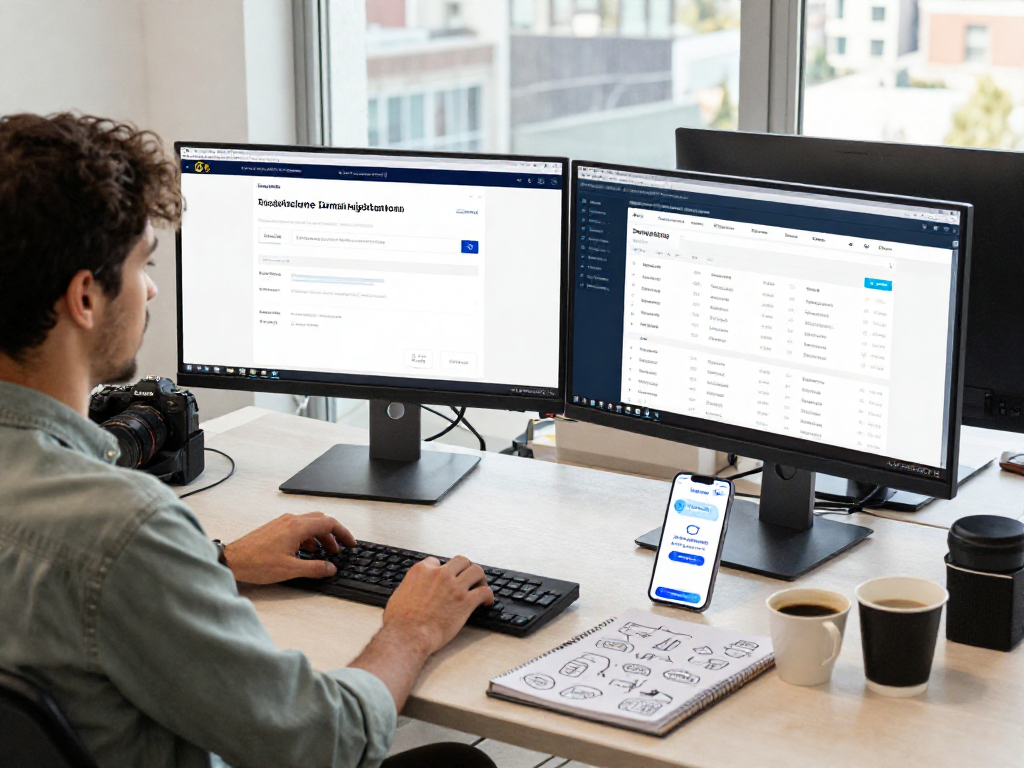
- Upload Your Image: Start by selecting an image that you wish to convert into a prompt. Most tools accept various formats such as PNG, JPG, or WEBP.
- Initiate the Prompt Generation: After uploading, click the "Generate Prompt" button. The tool will analyze the image and produce a prompt based on its features.
- Review and Edit: Once the prompt is generated, review it for accuracy and edit as necessary to align with your creative intent.
- Utilize the Prompt: Copy the refined prompt and use it in your preferred AI image generator for your desired output.
Optimizing Your Images for Best Results
To achieve the best possible prompts, consider the following optimization tips:
- Choose High-Quality Images: Higher resolution images yield better analysis results, allowing the AI to extract more detail.
- Focus on Clear Subjects: Ensure the subject of your image is prominent and easily identifiable, which aids in the prompt generation process.
- Use Varied Styles: Experiment with different artistic styles or moods in your images to see how the tool interprets various visual narratives.
Common Mistakes to Avoid When Using Image to Prompt Tools
While using these tools, there are common pitfalls to avoid:
- Too Much Complexity: Complex and cluttered images can confuse the AI. Simple, focused images tend to produce better prompts.
- Ignoring Prompt Editing: Relying solely on the generated prompt without refinement can lead to unsatisfactory results. Always tweak the output to your needs.
- Overlooking Compatibility: Not all prompts are suitable for every AI model. Ensure that the generated prompt aligns well with the specific requirements of the AI tool you are using.
Types of Prompts Generated by Image to Prompt
An effective image to prompt generator can create diverse types of prompts tailored to different creative needs. Understanding these prompt types can enhance the user experience and lead to more successful AI-generated images.
General Descriptive Prompts
General descriptive prompts provide a broad overview of the visual content. They typically include the main subjects, colors, and objects present within the image without delving too deeply into specific details. These prompts are useful for generating a basic understanding of the image's essence.
Structured Prompts for Different AI Models
Structured prompts are specifically formatted to meet the requirements of various AI platforms. For instance, prompts intended for models like Stable Diffusion or Midjourney might include metadata tags that inform the AI about the desired style or resolution, enabling more tailored outputs.
Exploring Creative Prompt Variations
Beyond standard prompts, creative variations can inspire more unique outputs. For example, users can generate prompts that adjust for different artistic styles, such as watercolor, photorealistic, or abstract, depending on how they wish the AI to interpret the original image.
Benefits of Using Image to Prompt Generators
The integration of image to prompt tools into the creative workflow offers numerous advantages that can significantly enhance productivity and output quality for users.
Enhancing AI Image Generation Accuracy
One of the primary benefits of using image to prompt generators is the enhanced accuracy of AI image outputs. By providing detailed and context-rich prompts, users can guide AI tools to produce images that are true to the original vision, minimizing random outcomes often associated with vague or poorly articulated prompts.
Improving User Creativity and Output Quality
These tools empower users to unleash their creativity by converting their visual ideas into tangible outputs. With accurate prompts, users can explore variations and refine their artistic expressions, leading to higher-quality results that are more aligned with their creative goals.
Utilizing Prompts Across Different AI Platforms
Another substantial benefit is the versatility of image to prompt generators. Users can craft prompts that are compatible with different AI platforms, enabling them to switch between tools like Gemini, Flux, and others seamlessly. This adaptability ensures that users can leverage the strengths of various models according to their specific needs.
Future Trends in Image to Prompt Technology
As AI technology continues to evolve, so too will the capabilities of image to prompt generators. Here’s a look at some emerging trends that could shape the industry in the years ahead.
Emerging Developments for 2026
The future of image to prompt technology is likely to see enhancements in machine learning algorithms, allowing for even greater accuracy in prompt generation. Improved understanding of context and emotion in images could enable tools to generate more nuanced and artistically rich prompts.
Impact of AI on Creative Industries
AI's influence on the creative industries will expand, with image to prompt tools becoming commonplace in artistic endeavors, marketing campaigns, and content creation. As these tools become more accessible and user-friendly, they will democratize creativity, allowing individuals of all skill levels to harness the power of AI in their work.
Predictions for Enhanced User Experiences in AI Generation
In the coming years, we can expect more interactive features within image to prompt tools, such as real-time feedback and personalized suggestions based on user preferences and past usage. This evolution will lead to an even more engaged user base, pushing the boundaries of creativity and innovation.