
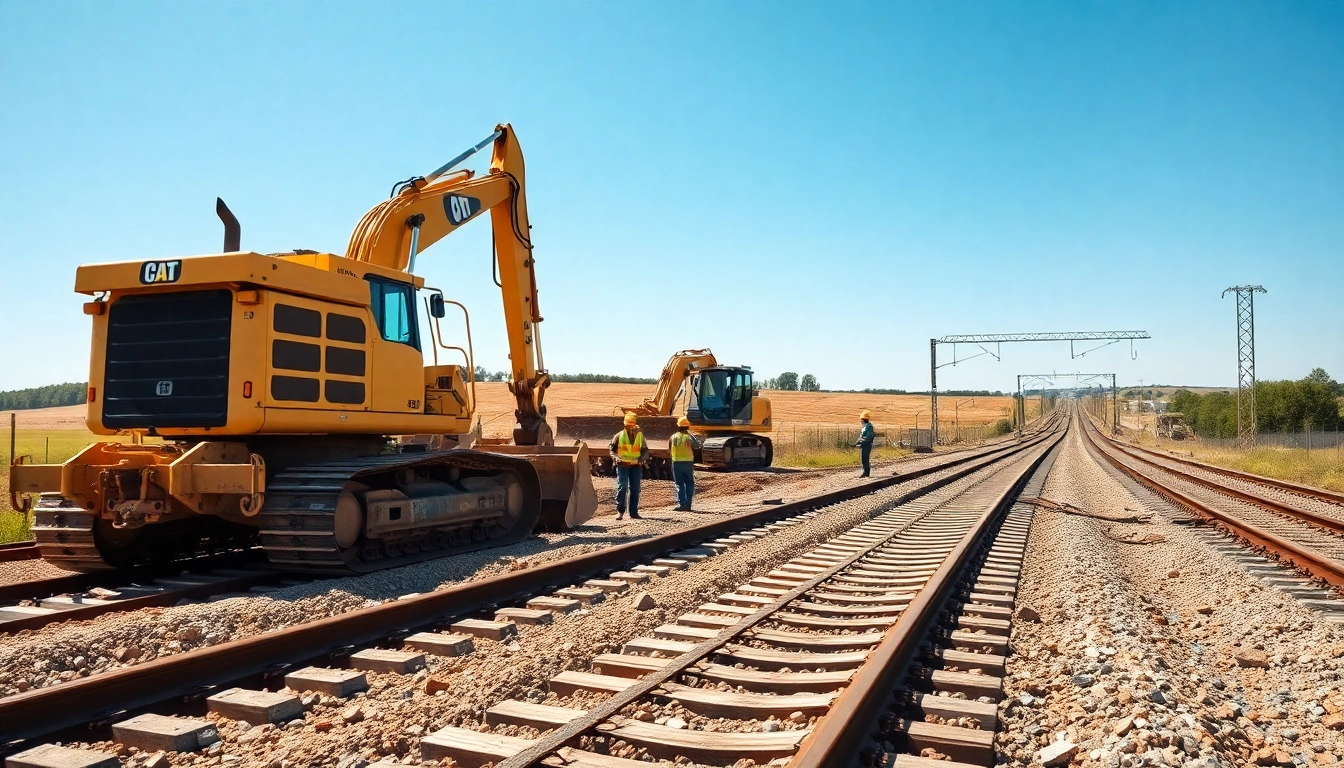
Understanding Railroad Construction Fundamentals
Railroad construction is an intricate and vital process in establishing transportation networks that support both goods and commuter travel across diverse regions. As urbanization intensifies and economic growth accelerates, the significance of Railroad Construction becomes increasingly pronounced. Understanding its fundamentals you can appreciate not only the engineering feats required but also the logistical and environmental challenges that come with these massive projects.
What is Railroad Construction?
Railroad construction refers to the systematic process of building railway tracks, structures, and systems essential for operational trains. This process involves various stages, including planning, surveying, earthworks, track laying, and signaling installation. Unlike traditional construction projects, railroad construction must consider a variety of factors such as soil conditions, topography, and existing infrastructure to ensure durability and safety. The ultimate goal is to create a seamless and robust network that supports the efficient movement of passengers and freight.
Key Components of Railroad Construction
The key components of railroad construction can be categorized into several essential elements:
- Tracks: Comprising rails, ties, and ballast, tracks form the foundation of any railroad. The choice of materials significantly affects the stability and longevity of the railway.
- Bridges: Necessary for crossing obstacles such as rivers or valleys, bridges must be designed to bear heavy loads and withstand environmental forces.
- Tunnels: These are often required to navigate mountainous regions. Tunnel construction demands special techniques and safety protocols due to confined working environments.
- Station Infrastructure: This includes platforms, ticket offices, and facilities for passengers, which all contribute to the overall effectiveness of the service.
- Signaling and Communication Systems: These systems are vital for the safe and efficient operation of railway services, helping manage train movements and ensuring passenger safety.
The Importance of Railroad Construction in Logistics
Railroad construction plays a pivotal role in the logistics ecosystem. By providing a dedicated mode of transportation, railways significantly reduce the cost of shipping goods over long distances. Furthermore, rail services can alleviate road congestion, thus promoting a more sustainable means of transport. The network created through effective railroad construction also reinforces critical supply chains, allowing businesses to deliver goods faster, which directly impacts economic growth.
Essential Techniques in Railroad Construction
Track Laying Methods
Track laying is a foundational aspect of railroad construction, involving the careful placement of rails on prepared ties. There are different methods employed, including:
- Continuous Welded Rail (CWR) Method: Here, sections of rail are welded together to create long, continuous rails that reduce the number of joints, improving ride smoothness and durability.
- Ballasted Track Construction: In this method, rails are laid on ties that are then supported by a layer of ballast, which helps with drainage and stability.
- Concrete Sleeper Track: This involves using concrete replacements for wooden ties, providing improved durability and longevity despite higher initial costs.
Earthworks and Ground Preparation
Earthworks and ground preparation are critical steps that lay the groundwork for successful railroad construction. This includes:
- Surveying: Accurate mapping of the terrain is necessary to plan the track layout effectively.
- Grading: This involves leveling the ground and forming an even base for track placement.
- Drainage Systems: Proper drainage is essential to prevent water accumulation which can undermine the stability of the tracks.
Safety Protocols in Railroad Construction
Safety protocols are paramount in railroad construction due to the inherent risks involved. Key safety measures include:
- Personal Protective Equipment (PPE): Workers must wear appropriate safety gear to mitigate potential hazards.
- Training Programs: Staff should undergo rigorous training to handle equipment safely and respond to emergencies efficiently.
- Regular Inspections: Frequent checks of equipment and worksites are necessary to identify and rectify potential hazards before accidents occur.
Challenges Faced in Railroad Construction Projects
Environmental Considerations
The environmental impact of railroad construction is a significant concern that requires careful planning and mitigation strategies. Key issues include disruption to wildlife habitats, pollution, and the alteration of natural landscapes. To address these concerns, constructors engage in environmental assessments and implement practices like wildlife corridors and noise reduction barriers.
Budget Constraints and Funding
Many railroad construction projects face budget limitations due to fluctuating costs of materials and labor. Securing funding from governmental or private sources can be challenging, complicating the financing processes. Effective project management and transparent budgeting are essential strategies to navigate these constraints, ensuring that projects remain on track both in timelines and financial plans.
Regulatory and Compliance Issues
Compliance with federal, state, and local regulations adds another layer of complexity to railroad construction. Projects must adhere to numerous legal requirements, which can include safety codes, environmental regulations, and labor laws. Engaging with regulatory bodies early in the planning process can facilitate smoother implementation and minimize delays.
Best Practices for Successful Railroad Construction
Effective Project Management Strategies
To ensure the successful completion of railroad construction projects, effective project management strategies are crucial. This includes establishing a clear project timeline, assigning roles and responsibilities, and maintaining open communication with all stakeholders involved. Utilizing project management software can enhance efficiency, keeping progress on track and within budget.
Innovative Technologies in Railroad Construction
The railroad industry has been increasingly adopting innovative technologies to enhance construction processes. Advanced surveying tools such as drones and GPS mapping are revolutionizing site assessments, while automation in track laying technologies accelerates construction while reducing labor costs. Incorporating these technologies helps drive efficiency and maintain safety standards.
Collaboration and Stakeholder Engagement
Fostering collaboration among various stakeholders—including government entities, communities, and private partners—is essential in railroad construction. Engaging stakeholders early can assist in addressing concerns, securing necessary permits, and promoting public support. Regular updates and forums enhance communication and narrative transparency throughout the project lifecycle.
The Future of Railroad Construction
Emerging Trends and Technologies
The future of railroad construction is poised for transformation with emerging trends such as smart rails, which integrate sensor technologies for monitoring track health, and sustainable railroad systems that prioritize eco-friendly practices. Innovations in construction materials will also contribute to longevity and reduced environmental impacts, paving the way for more resilient infrastructures.
Architecting Sustainable Railway Systems
Sustainability in railroad construction is becoming a focal point as the industry moves towards greener practices. This includes using recyclable materials, minimizing waste, and optimizing energy efficiency in all construction stages. Furthermore, developing projects that integrate renewable energy sources will help make rail transport more sustainable.
The Role of Railroad Construction in Economic Growth
Railroad construction serves as a driver of economic growth, facilitating trade, reducing transport costs, and creating jobs. Investment in railway systems encourages regional development by improving connectivity and accessibility. As communities continue to urbanize and economies evolve, robust railroad networks will be instrumental in supporting future growth.
Frequently Asked Questions
What are the main components of a railroad system?
The main components include tracks, bridges, tunnels, station infrastructure, and signaling systems, each necessary for safe and effective rail operations.
How is railroad construction different from regular construction?
Railroad construction involves specialized techniques and considerations regarding terrain, load-bearing specifications, and safety regulations that differ from typical building projects.
How can environmental impacts be mitigated in railroad construction?
Mitigation can include conducting environmental assessments, incorporating wildlife protection measures, and utilizing eco-friendly materials and construction practices.
What safety protocols should be in place during construction?
Key safety protocols include the use of personal protective equipment, routine safety training, and regular site inspections to identify and address hazards.
What trends are shaping the future of railroad construction?
Emerging trends include the use of smart technology, sustainable practices, and innovative materials that enhance the efficiency and ecological footprint of railroad systems.