Understanding MV 88: Features and Benefits
The MV 88 is rapidly gaining traction among audio enthusiasts and professionals alike, especially in 2025, as the demand for high-quality audio recording continues to surge. This digital stereo condenser microphone offers unparalleled features designed to enhance the way we capture sound, making it an essential tool for anyone from podcasters to musicians. In this article, we will thoroughly explore the MV 88’s functionality, discuss its benefits, and provide practical insights on how to optimize its use for various scenarios.
What is the MV 88 and How Does it Work?
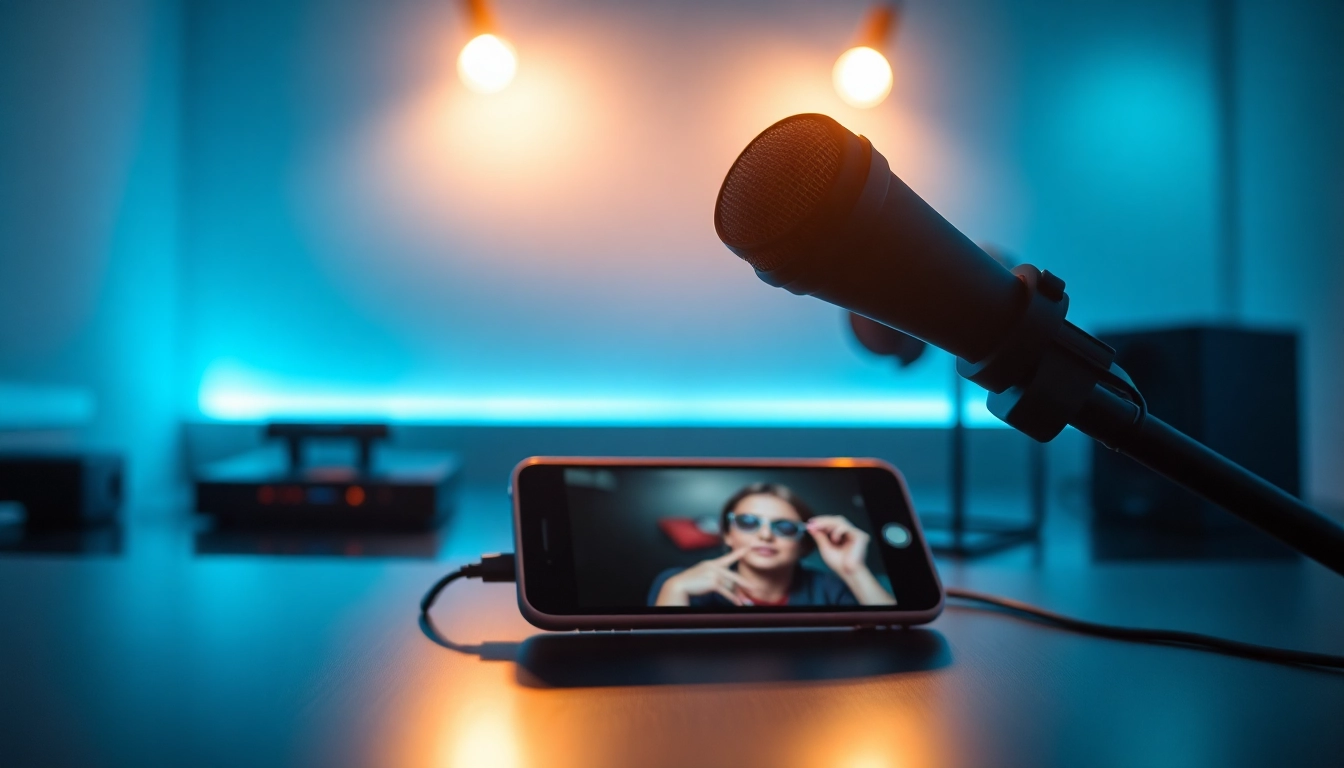
The MV 88 is a compact microphone that connects directly to your iPhone or iPad via a Lightning connector. Engineered by Shure, this microphone utilizes a Mid-Side (MS) stereo technique, which involves two microphone capsules that capture sound in a way that allows users to adjust the stereo width. This innovative design gives users the flexibility to customize their audio capture to suit different environments, whether they are recording a solo voice or a full band.
Key Features That Set MV 88 Apart
- High-Quality Audio Capture: With a frequency range of 20 Hz to 20 kHz, the MV 88 is capable of capturing every nuance of sound, making it perfect for music recording and field interviews.
- Adjustable Stereo Width: Users can tweak the stereo image in real-time, allowing for an immersive listening experience that can be tailored to audience preferences.
- Integrated DSP: The built-in digital signal processing (DSP) provides intelligent audio processing including compression and equalization.
- Compatible with Multiple Apps: The microphone supports various recording applications, enhancing its versatility for both audio and video projects.
- Portable Design: Its lightweight and compact form make it an ideal choice for on-the-go recording.
Benefits of Using MV 88 for Streaming and Recording
Using the MV 88 comes with a multitude of benefits that significantly improve the quality of recordings. Whether you're a podcaster, musician, or content creator, the microphone's ability to deliver remarkable sound quality ensures that your recordings stand out. Furthermore, the intuitive app interface allows users to access different settings quickly, enabling them to adapt to various recording environments seamlessly. This ease of use makes the MV 88 an excellent choice for both beginners and seasoned professionals.
How to Use MV 88 Effectively
To make the most out of the MV 88, it's essential to understand the proper setup and usage techniques. Let's delve into some best practices that will help you achieve optimal sound quality.
Setting Up the MV 88 for Best Performance
To ensure that the MV 88 performs at its peak, follow these setup guidelines:
- Connect the Microphone: Plug the MV 88 into your iOS device and ensure that it's securely connected.
- Use the ShurePlus MOTIV App: Download and open the ShurePlus MOTIV app, which provides advanced controls and settings for the microphone.
- Select the Recording Mode: Choose between stereo, mono, or other recording modes based on your project requirements.
- Adjust Input Levels: Monitor and adjust the input levels to avoid distortion. A good rule of thumb is to keep levels in the green zone.
Common Mistakes to Avoid When Using MV 88
Even the best equipment can yield subpar results if not used correctly. Here are some common pitfalls to avoid:
- Ignoring Environmental Noise: Make sure to record in a quiet space, or use the app's DSP settings to reduce background noise.
- Neglecting Placement: The microphone’s placement greatly affects sound quality. Position it at an optimal distance to capture clear audio without distortion.
- Overlooking the Need for EQ: Customize your audio with equalization settings in the app for enhanced clarity and richness.
Best Practices for Audio Quality with MV 88
To achieve superior sound quality, consider these best practices:
- Test Different Settings: Experiment with various recording modes and DSP options to find what works best for your voice or instrument.
- Utilize Windshields: When recording outdoors, use a windscreen to minimize wind noise.
- Regularly Update Your App: Keep the ShurePlus MOTIV app updated for new features and improvements that enhance performance.
Choosing the Right Accessories for MV 88
Selecting the right accessories can significantly enhance how you use the MV 88. Here are some recommendations to consider.
Must-Have Accessories for Enhanced Functionality
- Windscreen: Protects against wind noise during outdoor recordings.
- Tripod Mount: Stabilizes your microphone for consistent audio capture.
- Extension Cable: Provides flexibility in positioning for better audio fidelity.
Comparing Accessories: Which Ones Are Worth It?
While there are many accessories available, focus on those that genuinely enhance the MV 88’s performance. Windscreens and tripods are essential for outdoor recording scenarios, while extension cables can help you achieve the perfect positioning for studio settings.
How Accessories Impact Your Recording Quality
The right accessories can transform your recording experience. For example, using a windscreen during outdoor sessions can prevent unwanted noise, ensuring your recordings remain clear and professional. Similarly, a tripod can minimize handling noise, allowing for steadier recordings.
Exploring MV 88 in Different Scenarios
The versatility of the MV 88 makes it suitable for various recording scenarios. Below, we will look at how to effectively utilize this microphone across different contexts.
Using MV 88 for Podcasts: A Step-by-Step Guide
- Plan Your Episode: Outline your content and schedule interviews ahead of time.
- Set Up Your Equipment: Connect the MV 88 to your device and position it correctly to capture clear audio.
- Record a Test Segment: Perform a test recording to check levels and clarity.
- Edit with Care: Use precise editing tools to enhance the final product, paying attention to EQ and compression.
MV 88 in Music Production: Techniques for Musicians
Musicians can take advantage of the MV 88's unique capabilities in various ways:
- Capturing Vocals: Experiment with placement for different vocal textures.
- Recording Instruments: Use multiple MV 88 microphones to capture different perspectives of a live performance.
Field Recording with MV 88: Tips and Tricks
For field recordings, consider the following tips:
- Scout Your Location: Visit your recording site to assess background noises and choose the best time for recording.
- Use the App Features: Take advantage of the MS recording mode to adjust the stereo width as needed.
- Monitor Levels: Always keep an eye on audio levels to prevent clipping.
The Future of Audio Technology: MV 88 and Beyond
As we look towards the future of audio technology in 2025, it's exciting to consider how devices like the MV 88 will evolve.
Emerging Trends in Audio Equipment for 2025
Predicted trends include enhanced integration with artificial intelligence for smarter audio capture, as well as greater emphasis on portability and durability. Consumers are demanding more from their audio gear, and products like the MV 88 are set to meet those needs with innovative features.
How MV 88 Fits into the Future of Streaming and Recording
The MV 88 is positioned to remain a crucial player in the audio recording industry. Its user-friendly design and high-quality output align perfectly with the growing trend of content creation across various platforms, from podcasts to music streaming and video production.
Predictions for Audio Technology Innovations
In the coming years, expect to see more devices equipped with built-in AI capabilities that automatically adjust settings based on environmental conditions, offering even more intuitive user experiences. As creators seek to improve audio quality with minimal effort, innovations like these will play a vital role in shaping the future of recording technology.