Understanding Marginal Pond Plants
Marginal pond plants are a vital component of any aquatic ecosystem. These versatile plants grow at or near the water's edge, bridging the gap between water and land. They play a crucial role in aesthetic enhancement as well as ecological balance. Incorporating Marginal Pond Plants into your pond not only beautifies the landscape but also supports wildlife and maintains water quality. In this comprehensive guide, we will delve into the various aspects of marginal plants, their benefits, selection criteria, and future trends that every pond enthusiast should be aware of.
What Are Marginal Pond Plants?
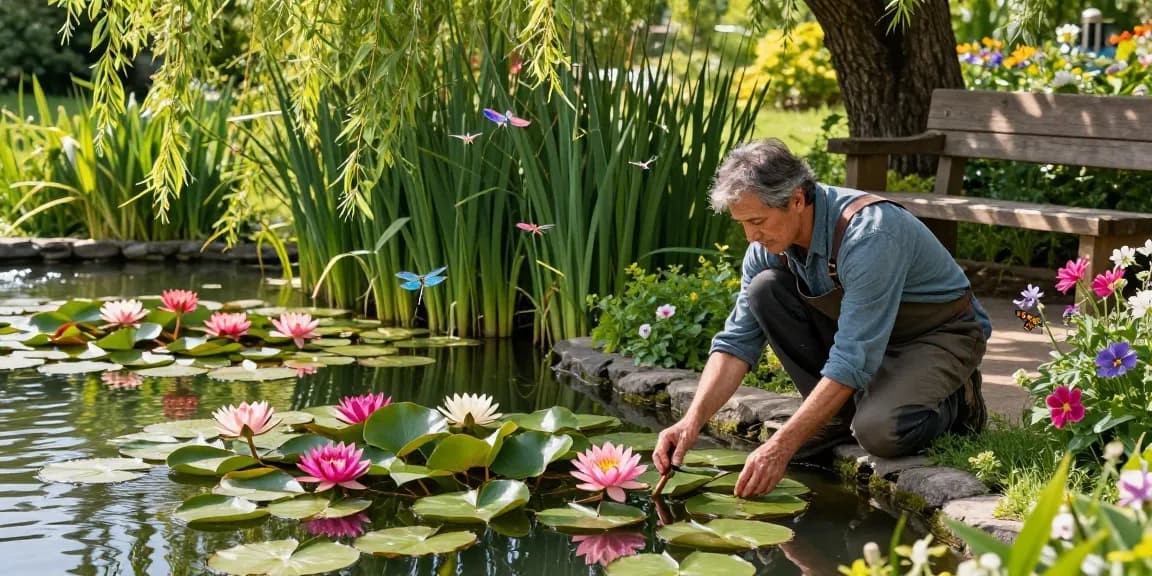
Marginal pond plants are species that thrive in shallow water or wet soil at the edges of ponds, lakes, and marshes. These plants typically grow in water that is between 0 to 30 centimeters deep, making them essential for creating diverse aquatic habitats. Common examples include cattails, water lilies, and sedges. Marginal plants can be either herbaceous or woody, providing a range of textures and colors that enhance pond settings.
Key Benefits of Incorporating Marginal Plants
- Wildlife Habitat: Marginal plants provide shelter and food for various wildlife, including amphibians, birds, and beneficial insects.
- Water Quality Improvement: These plants filter pollutants, reduce nutrient loads, and help stabilize sediments, improving water clarity and quality.
- Aesthetic Appeal: With their vibrant foliage and flowers, marginal plants enhance the visual landscape around ponds.
- Soil Stabilization: Their root systems help to prevent erosion of the pond's banks, maintaining the integrity of the ecosystem.
Identifying Common Types of Marginal Plants
Recognizing the right marginal plants is crucial for creating a flourishing pond environment. Some popular options include:
- Cattails (Typha spp.): These tall plants thrive in wet areas and provide excellent habitat for wildlife.
- Marsh Marigold (Caltha palustris): Known for its bright yellow flowers, this plant adds a splash of color in spring.
- Blue Flag Iris (Iris versicolor): A stunning flowering plant that thrives in moist conditions, offering beauty and ecological benefits.
- Water Mint (Mentha aquatica): A fragrant plant that attracts pollinators and provides ground cover.
Choosing the Right Marginal Pond Plants
Factors to Consider When Selecting Plants
Choosing the right marginal plants requires careful consideration of several factors, which include water depth, sunlight exposure, and local climate conditions. It is important to assess the specific environment of your pond to determine which plants will thrive. Additionally, understanding the potential size of the plants at maturity can prevent overcrowding.
Understanding Plant Hardiness Zones
Plant hardiness zones are a critical factor in selecting marginal pond plants. These zones, developed by the USDA, indicate the minimum winter temperatures that plants can withstand. Knowing your local hardiness zone will help you choose plants that can survive year after year, ensuring a thriving aquatic environment. For instance, species like the Blue Flag Iris thrive in USDA zones 3 through 9.
Best Practices for Plant Placement
Successful placement of marginal plants is essential for their growth and the overall health of the pond. Here are some best practices:
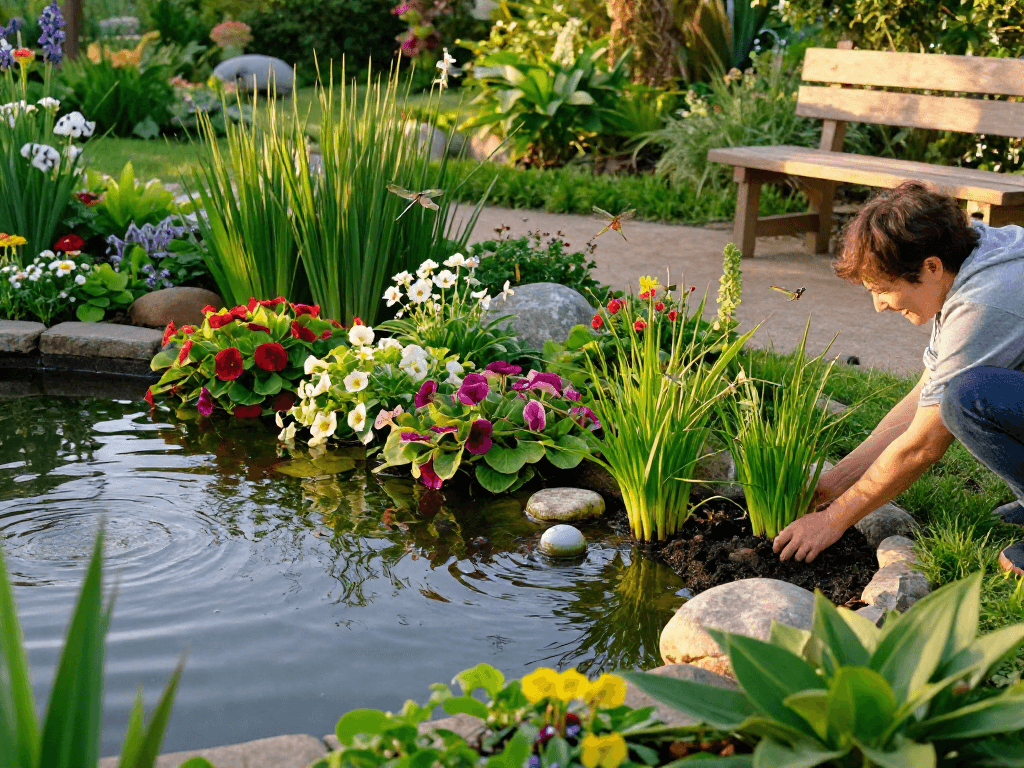
- Group Plants: Cluster plants in groups for a natural look and to provide better habitat for wildlife.
- Vary Plant Heights: Use a mix of taller and shorter plants to create visual interest and layers in the garden.
- Consider Sunlight: Ensure that sun-loving plants receive adequate sunlight while shade-tolerant species are placed in less sunny areas.
- Maintain Water Depth: Position plants according to their water depth preference to ensure optimal growth.
Common Mistakes with Marginal Pond Plants
Overcrowding and Its Consequences
One of the most significant mistakes pond owners make is overcrowding their marginal plants. This can lead to competition for nutrients and light, resulting in stunted growth or plant die-off. It is crucial to follow spacing guidelines provided by nurseries and to monitor plant growth regularly.
Ignoring Water Depth Requirements
Every marginal plant has specific water depth requirements for optimal growth. Ignoring these needs can lead to poor plant health. For example, while Cattails thrive in deeper water, Water Mint prefers edges where soil remains moist but not submerged. Researching individual plant needs is key.
Neglecting Maintenance and Monitoring
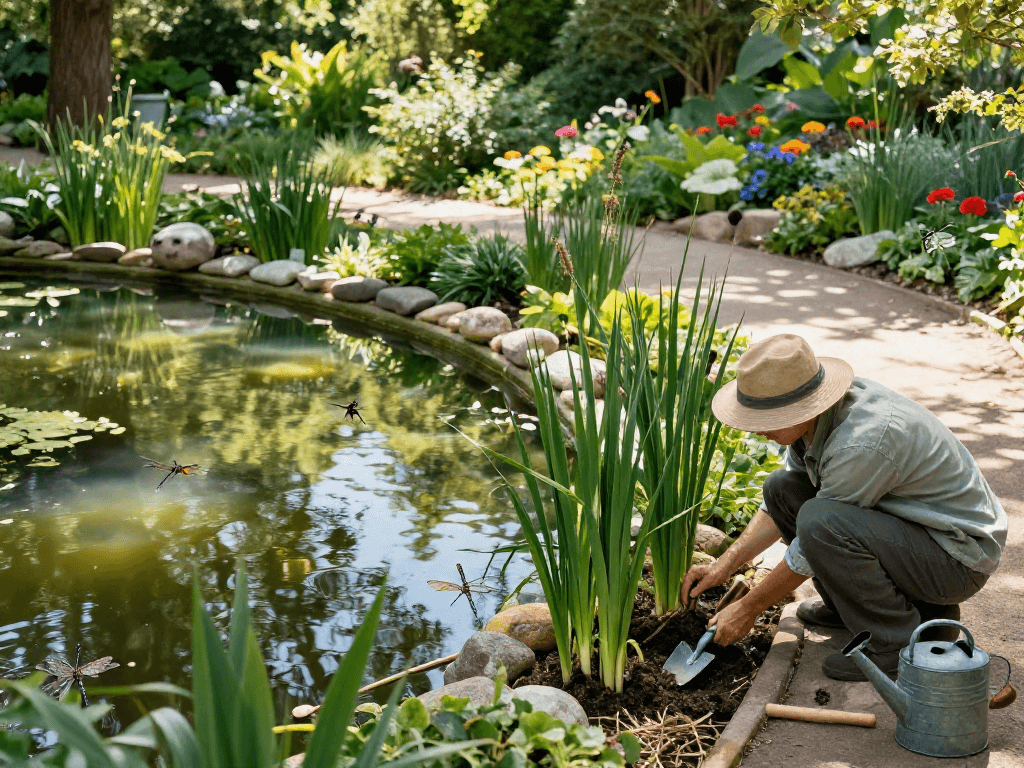
Regular maintenance is essential to the success of marginal plants. This includes monitoring for pests, weeds, and diseases. Establishing a seasonal maintenance routine will help you keep your pond plants healthy and thriving. Simple tasks like removing dead leaves and pruning overgrown plants can significantly enhance their vitality.
Enhancing Your Pond Ecosystem
Integrating Aquatic Life with Marginal Plants
Marginal pond plants serve as a critical habitat for various forms of aquatic life. Fish, amphibians, and beneficial insects depend on these plants for shelter and breeding grounds. By planting a diverse range of species, you create a more balanced ecosystem that supports and enhances the overall biological diversity of your pond.
Creating a Balanced Ecosystem
A balanced pond ecosystem is one in which native plants, animals, and microorganisms coexist. Marginal plants play a significant role by providing food, shelter, and breeding sites. Introducing a variety of species encourages biodiversity and creates a more resilient environment. Aquatic plants and marginal species can work together to filter pollutants and improve water quality.
Case Studies of Successful Water Gardens
Examining successful case studies can offer valuable insights into effective pond management. For instance, many community water gardens have incorporated a diverse array of marginal plants to create vibrant and functional ecosystems. These case studies often emphasize the importance of native plants, which are better adapted to local conditions and can provide more significant ecological benefits.
Future Trends for Marginal Pond Plants in 2026
Innovative Plant Varieties on the Horizon
As we move toward 2026, the trend in marginal pond plants is leaning towards innovative varieties that enhance resilience against climate change. Research is ongoing to develop plant strains that can withstand varying water levels and temperatures, ensuring that they can adapt to fluctuating environmental conditions.
Environmental Considerations and Sustainability
With increasing awareness of ecological sustainability, the focus on environmentally friendly practices is more critical than ever. The cultivation of native marginal plants, which support local wildlife and require less maintenance, is becoming a popular trend among pond enthusiasts. This movement promotes biodiversity and minimizes the need for chemical fertilizers and pesticides.
Gardening Technology: Tools for Success
The advancement of gardening technology will play a significant role in the future of pond management. Tools that help monitor water quality, plant health, and even automatic irrigation systems can simplify the process for pond owners. Integrating technology allows for enhanced observation and better management of marginal plants in a pond setting.
What are the best conditions for growing marginal pond plants?
The best conditions for growing marginal pond plants typically include full sun to partial shade, moist soil, and water depths ranging from 0 to 30 centimeters. Regular maintenance, including checking for pests and ensuring good water quality, is also essential.
How often should I maintain my marginal plants?
Maintenance should ideally be done at least once a month during the growing season. This includes checking plant health, removing dead foliage, and pruning overgrown areas. Seasonal changes may require adjustments to your maintenance routine.
Can marginal plants help with pond water quality?
Yes, marginal plants significantly contribute to pond water quality by filtering excess nutrients and pollutants. Their root systems also stabilize sediments, reducing turbidity and improving overall clarity.
What common pests affect marginal pond plants?
Common pests that can affect marginal pond plants include aphids, snails, and various caterpillars. Keeping an eye out for signs of infestation and implementing natural control methods can help manage these pests without harming the plants.
How can I propagate my marginal pond plants?
Propagation of marginal pond plants can typically be achieved through division, cuttings, or seeds, depending on the species. Dividing established plants in the spring or fall promotes new growth and can help manage plant density in your pond.