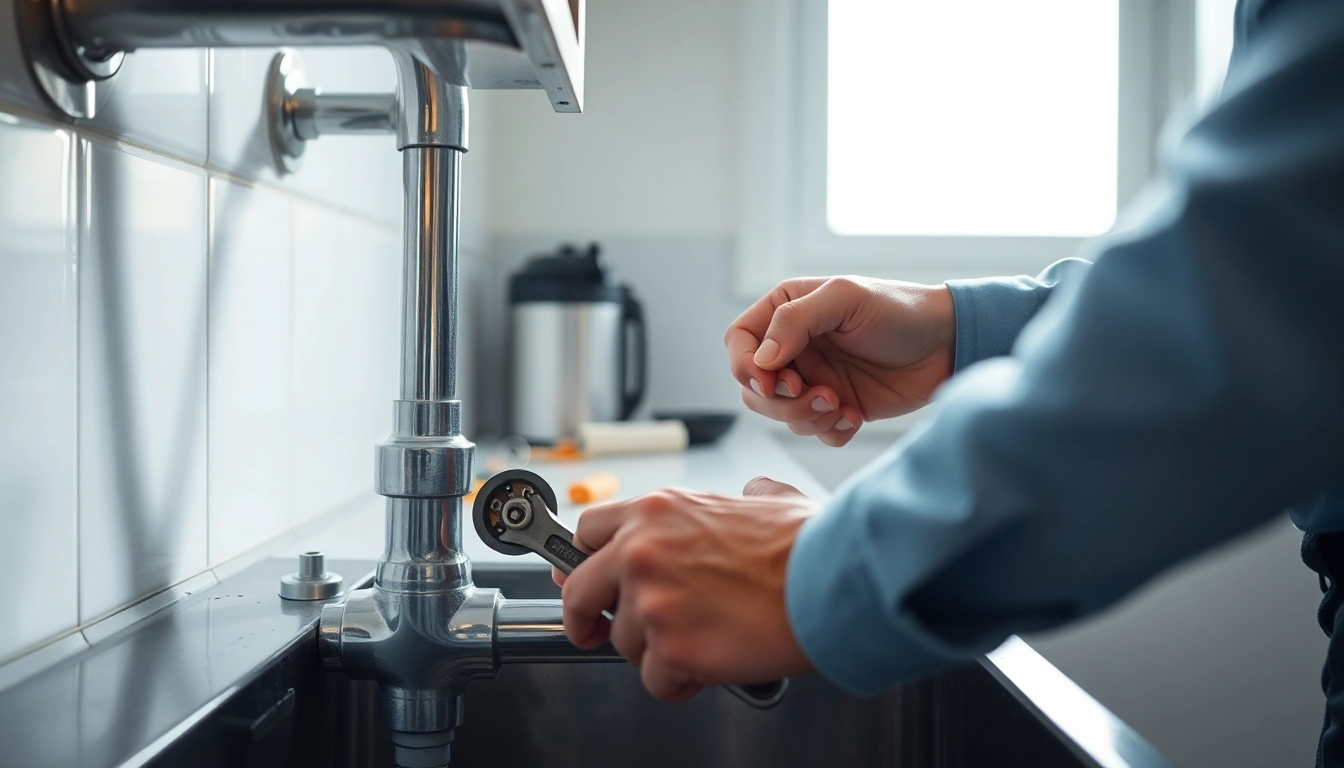

Understanding the Basics of Appliance Repair
What is Appliance Repair?
Appliance repair encompasses the diagnosis and rectification of issues related to household devices. Whether a refrigerator is failing to cool properly, a washing machine refuses to start, or an oven is not heating as expected, understanding appliance repair can save homeowners both time and money. Essentially, it involves identifying malfunctions, determining their causes, and implementing suitable fixes. From minor tune-ups to complex electrical diagnostics, the scope of appliance repair can vary greatly based on the type of appliance and the extent of the issue. Hence, it becomes critical to know when to attempt a repair and when to call a professional. For further details on local service options, you might be interested in this article on appliance repair.
Common Types of Appliance Issues
Appliances can encounter various problems that may hinder their functionality. The following are some of the most common issues:
- Cooling Issues: Refrigerators may fail to maintain a suitable temperature. Common causes include faulty thermostats and clogged coils.
- Heating Problems: Ovens might not reach the required temperature, potentially due to defective heating elements or thermostat malfunctions.
- Noise Disorders: Washing machines and dryers can produce unusual sounds indicating worn belts or bearings.
- Leakages: Dishwashers and refrigerators may develop leaks from worn-out seals or damaged hoses.
- Electrical Failures: Power issues, including non-functioning outlets or blown fuses, can prevent appliances from operating effectively.
Essential Tools for Appliance Repair
Having the right tools is crucial in troubleshooting and repairing appliances. Here’s a list of essential tools every DIY appliance repair enthusiast should have:
- Screwdrivers: A set of Phillips and flat-head screwdrivers for opening panels and securing components.
- Multimeter: For diagnosing electrical issues by measuring voltage, current, and resistance.
- Pliers: Useful for gripping, twisting, or cutting wire or components.
- Wrenches: To secure nuts and bolts in various appliances.
- Flashlight: Bright light can help illuminate dark areas behind appliances.
When to Repair or Replace Your Appliances
Signs Your Appliance Needs Repair
Identifying when an appliance requires repair is vital for effective maintenance. Signs include:
- Unusual noises that weren’t present during regular operation.
- A significant increase in energy bills could indicate inefficiency.
- Visible damage or wear and tear that threatens functionality.
- Intermittent operation or failure to start altogether.
- Persistent malfunctions despite following troubleshooting guides.
Cost Analysis: Repair vs. Replacement
Deciding between repairing or replacing an appliance can be challenging. A useful formula involves comparing the cost of repair to the price of a new appliance. The 50% rule indicates that if repair costs exceed half the price of a new appliance, replacement might be more cost-effective. Additionally, consider the longevity of the appliance and any existing warranties. Understanding these factors can help in making an informed decision.
Long-term Impact on Budget
The financial implications of appliance repair versus replacement can vary significantly. Factor in not only the immediate costs of repair or replacement but also the potential energy savings and overall efficiency of a new appliance. Newer models are often designed with energy efficiency in mind and might reduce your utility bills, making them more financially viable in the long term despite their initial costs.
Common Appliance Repair Techniques
Step-by-Step Repair Guides
Performing appliance repairs often follows a systematic approach. Here’s a general step-by-step guide:
- Identify the Problem: Thoroughly assess the condition of the appliance to pinpoint specific malfunctions.
- Unplug the Appliance: Always disconnect power before starting any repairs to avoid electrical shock.
- Gather Necessary Tools: Ensure you have all tools at hand to prevent interruptions during repairs.
- Follow Repair Manual: Refer to the appliance’s user manual for specific troubleshooting steps and illustrations.
- Test the Appliance: Once repairs are made, plug it back in and test functionality to ensure the problem is resolved.
Safety Protocols During Repairs
Safety should never be compromised during appliance repairs. Key safety protocols include:
- Wearing protective gear such as gloves and goggles to prevent injuries.
- Regularly checking tools for wear and ensuring they are in good working condition.
- Staying informed about the specific risks related to each appliance type.
- Always having a first aid kit accessible in case of accidents.
- Ensuring the work area is well-lit and clutter-free to avoid tripping hazards.
When to Call a Professional
While many repairs can be handled by DIY enthusiasts, certain situations warrant the expertise of a professional. It’s advisable to consult a certified technician when:
- The issue involves complex electrical systems that surpass standard troubleshooting.
- You are unable to identify the source of the problem after preliminary assessments.
- The appliance is under warranty, and self-repairs may void that warranty.
- You lack the confidence or experience to address the repair safely.
Appliance Maintenance Tips for Longevity
Routine Maintenance Practices
Regular maintenance can extend the lifespan of your appliances significantly. Here are some best practices:
- Keep appliances clean and dust-free, particularly refrigerators and dryers that can accumulate debris.
- Inspect hoses and seals for wear and replace them as necessary to prevent leaks.
- Regularly clean filters in dishwashers and washing machines to prevent blockages.
- Check the electrical connections regularly, ensuring they are secure and free from corrosion.
- Calibrate appliances as recommended by their manual to ensure they operate within set parameters.
Seasonal Checks to Prevent Issues
Conducting seasonal checks can mitigate major problems before they arise. Suggested actions include:
- In spring, check air conditioning units for efficiency and clean filters.
- In summer, inspect refrigerators for coolant levels and clean condenser coils.
- In fall, test heating appliances and ensure they are functioning correctly before winter.
- Winter maintenance can include thawing and cleaning out excess ice build-up in freezers.
- Prepare appliances for power outages by checking backup options or surge protectors.
Best Practices for Energy Efficiency
Energy-efficient appliances can save you money on utility bills. To ensure your current appliances run efficiently:
- Utilize energy-saving modes wherever available on your appliances.
- Regularly defrost appliances like freezers and refrigerators to enhance efficiency.
- Set dishwashers and washing machines to use cold water cycles where applicable.
- Keep refrigerator and freezer doors closed as much as possible to maintain optimal temperature.
- Invest in energy-efficient models if replacements become necessary.
FAQs about Appliance Repair
How can I troubleshoot my appliance before calling for help?
Start by checking power sources, ensuring the appliance is plugged in, and looking for any apparent issues or malfunctioning indicators.
What should I do if my appliance emits a strange smell?
Unplug the appliance immediately and inspect it for any signs of burning or damage. Consult a professional if necessary.
How often should I have my appliances serviced?
It’s best to service major appliances at least once a year to ensure they operate efficiently and to catch potential issues early.
Can I perform appliance repairs myself safely?
Yes, if you have the right tools and knowledge. However, always prioritize safety and consider professional help for complex issues.
What are the most common appliance problems?
The most common issues include inadequate cooling or heating, strange noises, leaks, and electrical malfunctions.