What is a Smog Test?
Definition and Purpose
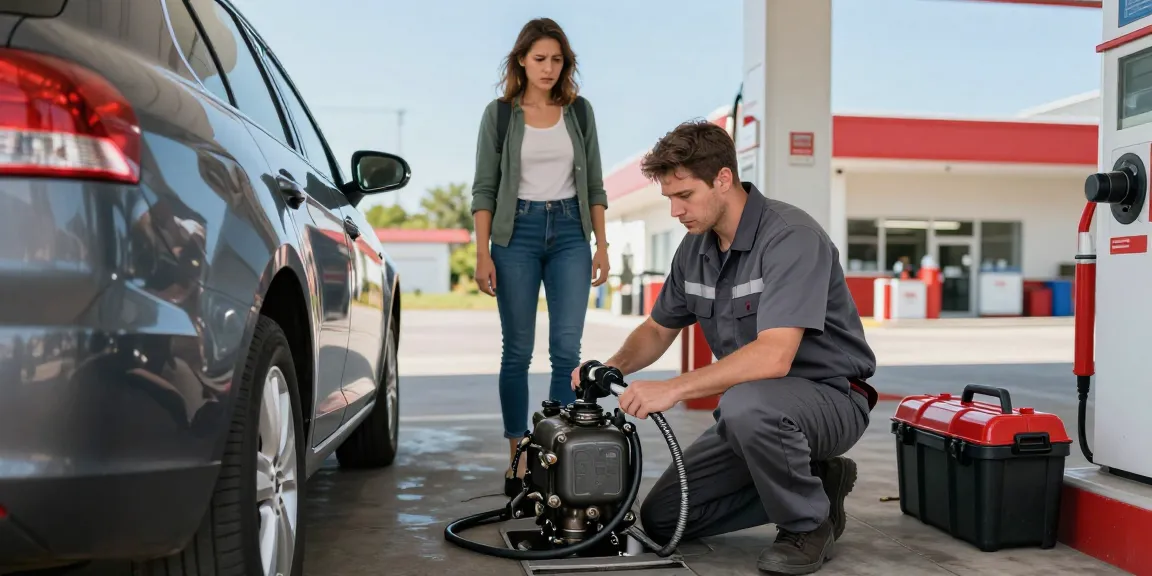
A smog test is an essential process designed to measure the emissions produced by a vehicle. It evaluates whether a vehicle meets specific environmental standards set by the government. The main aim of a smog test is to reduce air pollution caused by harmful exhaust emissions, which can impact both human health and the environment. In many jurisdictions, passing the Smog Test is a prerequisite for vehicle registration and renewal.
How Smog Tests Work
Smog tests typically involve a combination of visual inspections and computerized diagnostics. During a test, an inspector will evaluate the vehicle's emissions control systems, including catalytic converters and oxygen sensors, ensuring everything is functioning correctly. The vehicle's onboard diagnostic system will also be checked for any detected faults. Vehicles older than a certain age may undergo more comprehensive exhaust tests to measure pollutants like nitrogen oxides, carbon monoxide, and hydrocarbons.
Importance of Smog Testing for Vehicles
Smog testing is crucial for maintaining air quality. Vehicles that do not meet emission standards can contribute significantly to urban air pollution, affecting the health of residents and the environment. Furthermore, smog tests help ensure that vehicles are operating efficiently, potentially saving owners money on fuel costs and repairs in the long run if issues are identified early.
When is a Smog Test Required?
State Regulations on Smog Tests
Smog testing regulations vary significantly by state. Some states require tests to be performed annually or biannually, while others only require them during the sale or transfer of a vehicle. In some regions, there may be exemptions based on factors such as the vehicle's age, type, or emissions system. It is essential to stay informed about local regulations to ensure compliance.
Understanding Vehicle Types and Exemptions
Certain types of vehicles are often exempt from smog tests, including electric vehicles, hybrids, and those that are not commonly used, such as farm machinery. Additionally, many states have provisions for classic or antique vehicles, which might not require regular testing depending on their age and condition.
Common Circumstances for Testing
Common scenarios where smog tests are required include vehicle registration renewals, vehicle purchases, and vehicles moving into states with stricter emissions laws. Additionally, if modifications have been made to a vehicle that could affect its emissions, another smog test may be necessary.
Preparing for Your Smog Test
Pre-Test Vehicle Maintenance Steps
Before undergoing a smog test, it's advisable to conduct some preliminary maintenance on your vehicle. Ensure that all warning lights on your dashboard are addressed, check tire pressure, and make sure your gas cap is secure to prevent fuel vapors from escaping. It can also be beneficial to have a mechanic perform a diagnostic check to identify and fix any underlying issues.
Documents and Records Needed
When preparing for a smog test, make sure to have all necessary documents ready, including your vehicle registration and proof of insurance. Some regions may require additional documentation, such as previous smog test results or repair invoices, particularly if your vehicle has previously failed a test.
What to Expect During the Test
During the test, an inspector will conduct both visual and diagnostic assessments of your vehicle’s emissions system. Depending on local regulations and the vehicle's specifications, the process may last anywhere from 15 minutes to an hour. You may also be asked to leave your vehicle or wait in a designated area while the test is being conducted.
Cost Factors of Smog Testing
Average Costs Across States
The average cost of a smog test varies by state, generally ranging from $20 to $50. More complex vehicles, or those requiring additional tests, may incur higher fees. It's essential to factor in these costs when budgeting for vehicle maintenance.
Additional Costs for Repairs
If your vehicle fails the smog test, repair costs can vary significantly based on the issues detected. Sometimes, it could be a simple problem, such as replacing a gas cap or sensor, while in other cases, more extensive repairs may be necessary. Be prepared for possible additional expenses when planning for your smog test.
Finding Affordable Smog Testing Services
When searching for smog testing services, consider asking local mechanics for recommendations or checking online reviews. Many car repair shops offer competitive rates, and some may provide discounts or packages that include after-test repairs if required. Doing some research can help you find the best option that fits your budget.
FAQs about Smog Testing
What happens if my vehicle fails the smog test?
If your vehicle fails the smog test, you will receive a detailed report of the issues. You will need to repair the necessary components and retest your vehicle to comply with local regulations.
How often do I need to get a smog test done?
The frequency of required smog tests depends on your state's regulations. Many states require testing every one or two years, while some only require it when a vehicle is sold or transferred.
Can I drive my vehicle after failing the smog test?
In most cases, you can drive your vehicle after failing a smog test, but it’s essential to fix the issues before attempting to register it or if it is indicated by local law.
What is included in a typical smog test?
A typical smog test includes a visual inspection of emissions systems, a functional assessment of emissions equipment, and an onboard diagnostic check for newer vehicles to ensure compliance with regulations.
Are there any penalties for not completing a smog test?
Yes, failing to complete a required smog test can result in penalties, including fines, inability to register your vehicle, or having your vehicle impounded in some jurisdictions.