
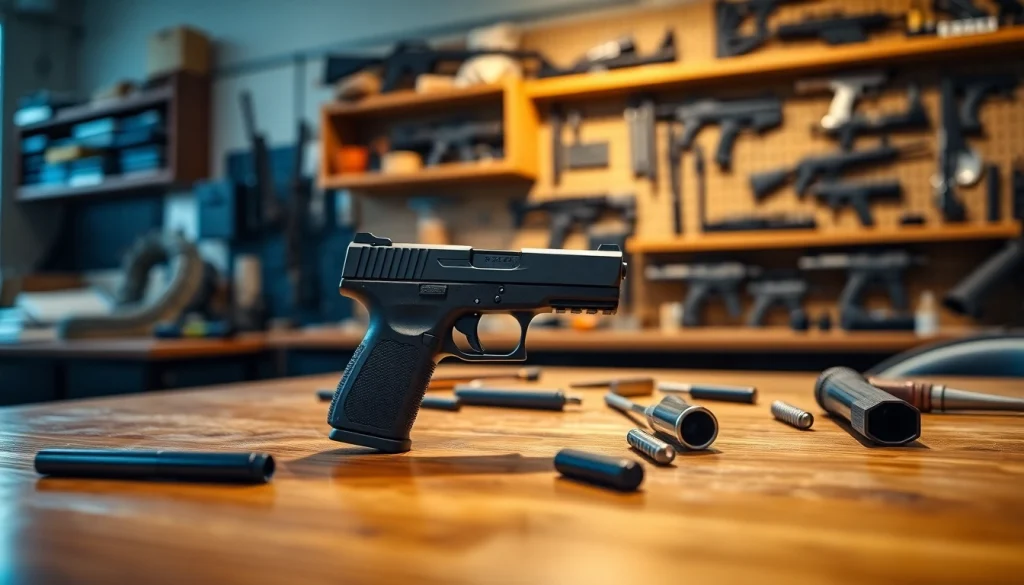
Introduction to Polymer-80 Handgun
The polymer-80 handgun has emerged as a significant player in the firearm community, prized for its customizable features and user-friendly assembly. Originally derived from polymer technology, this innovative approach to handguns empowers enthusiasts to craft their own firearms according to their unique preferences and specifications. In this comprehensive guide, we will delve into the intricacies of the polymer-80 handgun, exploring its technology, advantages, assembly processes, and the legal landscape surrounding it.
Overview of Polymer-80 Handgun Technology
At its core, the polymer-80 handgun represents a paradigm shift in firearm manufacturing. Unlike traditional firearms that come pre-assembled from the factory, polymer-80 handguns are designed around a modular concept where a user can build a handgun from parts. This is primarily facilitated by the use of an 80% lower receiver, which requires minimal effort to complete, making it legal to sell without serial numbers.
This technology allows for a wide array of customization options, enabling users to choose grip styles, barrel lengths, and various sight systems. Additionally, the polymer construction offers significant advantages over metal counterparts, including reduced weight, enhanced corrosion resistance, and a more natural grip.
Key Features of Polymer-80 Handgun
- Modularity: The customizable framework allows users to tailor their handgun based on personal preferences and shooting styles.
- Lightweight Design: Made from durable polymer materials, these handguns are significantly lighter than their metal counterparts, making them easier to carry and handle.
- Enhanced Grip Texture: The design features an aggressive texture that improves grip and control during use, essential for accuracy and safety.
- Operational Simplicity: Most polymer-80 handguns utilize a simple striker-fired mechanism that reduces complexity and enhances reliability.
Common Uses and Applications
The polymer-80 handgun serves a variety of purposes across different user groups. Its customization capabilities appeal to enthusiasts who enjoy personalizing their firearms for recreational shooting, self-defense, or competitive events. Moreover, some users appreciate the opportunity to construct a unique handgun that reflects their tastes while ensuring functional performance. Due to its ergonomic design and lightweight nature, this handgun is also a popular choice for concealed carry, allowing for comfortable everyday transport.
How to Build Your Own Polymer-80 Handgun
One of the most appealing aspects of the polymer-80 handgun is the ability to assemble it yourself. This process not only enhances your understanding of the firearm but also provides a sense of pride in creating your own weapon. Below, we outline the step-by-step process of assembly and the essential tools required for completion.
Step-by-Step Assembly Guide
- Gather Materials: Purchase a polymer-80 handgun kit, which typically includes an unfinished lower receiver, slide, barrel, and necessary small parts.
- Prepare Your Workspace: Set up a clean, well-lit area with adequate space for assembly.
- Begin Lower Receiver Miling: Use a drill press to mill out the required areas in the lower receiver according to the included instructions.
- Fit the Components: Assemble the trigger mechanism, insert the locking block, and install other internal components following the manufacturer’s guidance.
- Attach the Slide and Barrel: Fix the slide onto the completed lower receiver, ensuring it functions smoothly.
- Test for Functionality: Ensure all parts work correctly before cleaning and lubricating your handgun.
Essential Tools Needed for Assembly
To successfully build your polymer-80 handgun, you will need specific tools to ensure precision and safety:
- Drill Press: For milling the lower receiver accurately.
- Jig: Essential for guiding the milling process.
- Files and Sandpaper: Needed to smooth any rough edges.
- Socket Set: To install various small parts securely.
- Safety Gear: Always use goggles and gloves to protect yourself during the assembly.
Safety Considerations When Building
When building your own polymer-80 handgun, safety should be your top priority. Ensure that all tools are used in accordance with their instructions, and always wear protective equipment. Additionally, be mindful of handling the firearm safely at all times, particularly when testing functionality after assembly. Store tools and unfinished parts securely to prevent unauthorized access, especially in homes with children or non-shooters.
Legal Considerations for Polymer-80 Handgun
As the ownership and assembly of firearms, including polymer-80 handguns, have come under scrutiny, understanding the legal landscape is crucial for enthusiasts. Regulations can vary significantly between jurisdictions, making it vital to be informed and compliant.
Understanding Ghost Gun Legislation
Ghost guns, a term commonly used to describe firearms that are assembled by individuals using kits or 3D printing technology, have faced increasing regulation in many states. Laws surrounding these firearms primarily focus on the definition and regulation of unfinished receivers. Many jurisdictions require that finished firearms must be serialized for identification purposes. Users must ensure they are familiar with local laws to avoid potential legal pitfalls.
Compliance with Local Laws for Polymer-80
It is essential to research and comply with local laws related to the assembly of a polymer-80 handgun. In some areas, you may be required to register your firearm with law enforcement, while others may impose restrictions on the types of materials and components that can be used. Always consult with a legal expert if uncertain about compliance issues.
Tips on Staying Informed About Legal Changes
Keeping abreast of changes to gun laws can be daunting. Subscribing to reliable firearms news sources, following advocacy organizations, and joining local shooting clubs can help you stay informed. Additionally, attending workshops and training sessions can provide insights from experts regarding current legal compliance.
Advantages of Choosing a Polymer-80 Handgun
The polymer-80 handgun offers various advantages that make it a favorable choice among firearm enthusiasts and casual users alike. Below we explore some of the key benefits.
Customization Options for Polymer-80 Handguns
One of the most significant advantages of the polymer-80 handgun is the extensive customization options available. Users can tailor aspects such as stippling patterns on the frame, replace trigger components for performance tuning, and choose different slide configurations. Such flexibility allows a shooter to develop a firearm that meets their specific ergonomic and functional preferences.
Durability and Performance Benefits
Polymer materials used in these handguns contribute to their overall durability. Not only are they less prone to corrosion compared to steel, but they often withstand impacts better as well. Performance-related features include consistent accuracy and reliability, as users often report fewer malfunctions when using properly assembled polymer-80 handguns.
Cost-Effectiveness Compared to Traditional Handguns
In the realm of firearms, price can often be a barrier to entry for many. Polymer-80 handguns tend to be more affordable than their fully assembled counterparts. By allowing users to assemble and customize their firearms, individuals can save both money and time without sacrificing quality or performance.
Frequently Asked Questions about Polymer-80 Handgun
What are the benefits of owning a Polymer-80 handgun?
A Polymer-80 handgun offers customization, cost-effectiveness, and adaptability, making it exceptional for personal users.
Can I legally assemble a Polymer-80 handgun?
Yes, as long as you comply with local laws and regulations regarding firearm assembly and ownership.
What tools do I need to build a Polymer-80 handgun?
Essential tools include a drill, files, and a jig, along with safety gear like goggles and gloves.
Are Polymer-80 handguns reliable?
Yes, many users report high reliability and performance, particularly with proper assembly and maintenance.
How can I maintain my Polymer-80 handgun?
Regular cleaning, lubrication, and proper storage are key to maintaining your Polymer-80 handgun’s performance.