
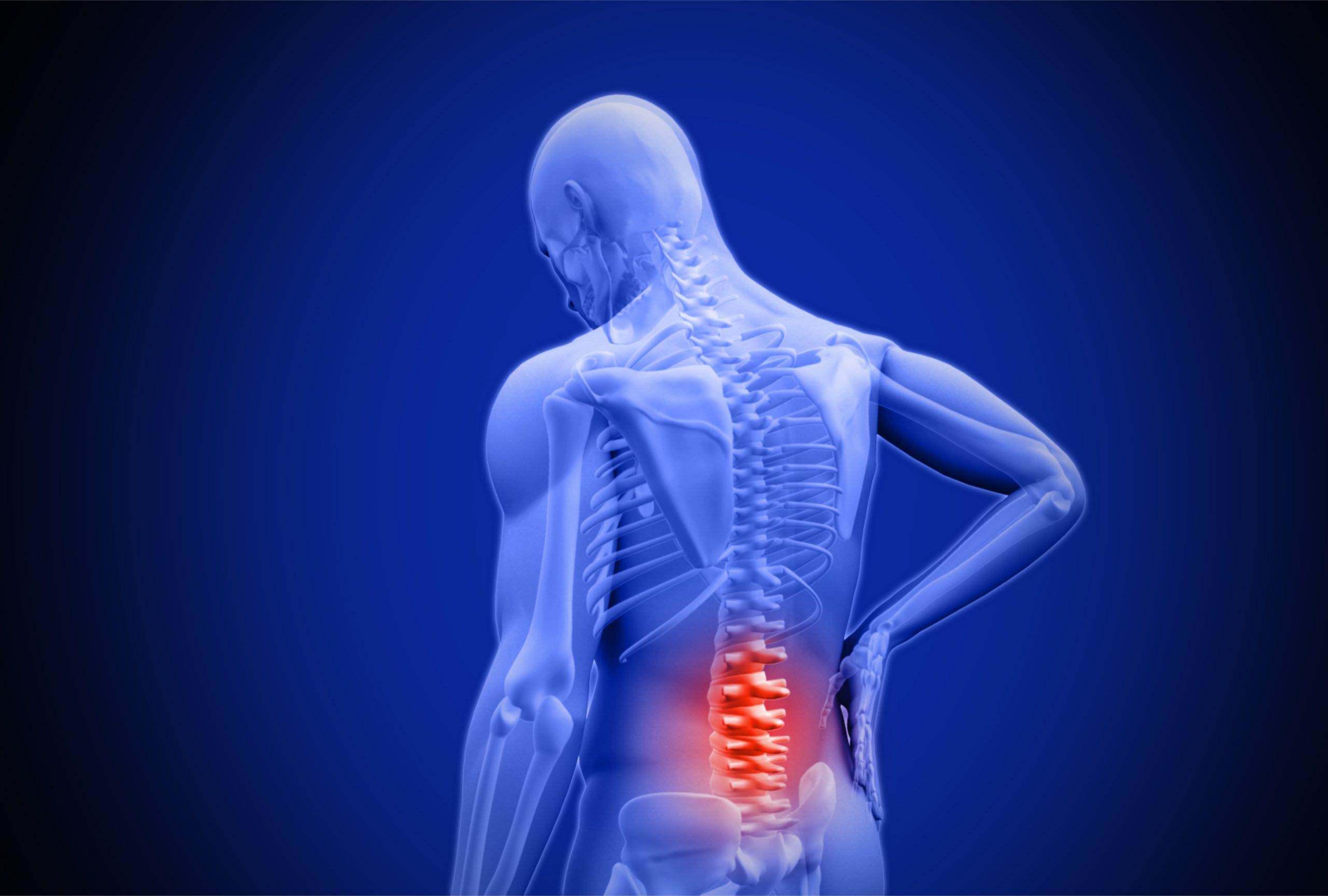
Chronic low back pain affects millions of people worldwide and can interfere with daily activities, work, and quality of life. Learning how to manage and reduce discomfort is essential for living pain-free. A comprehensive approach that combines posture, exercise, lifestyle adjustments, and self-care is key to understanding Chronic low back pain and achieving long-term relief.
Identify the Root Causes
Understanding the root causes of chronic low back pain is the first step toward effective management. Common contributors include poor posture, muscle weakness, herniated discs, arthritis, and previous injuries. Identifying the specific factors behind chronic low back pain allows for targeted strategies and more successful outcomes in achieving pain-free living.
Maintain Proper Posture
Posture plays a critical role in managing chronic low back pain. Sitting or standing incorrectly places excessive strain on the spine and surrounding muscles. Maintaining an upright position with shoulders back, chest open, and core engaged helps relieve pressure and supports long-term management of chronic low back pain.
Strengthen Core and Back Muscles
Strong core and back muscles provide essential support for the spine and reduce the risk of flare-ups. Exercises such as planks, bridges, and yoga improve stability and mobility. Regular strength training is a proven method to alleviate chronic low back pain and prevent future episodes, promoting a pain-free lifestyle.
Incorporate Daily Stretching
Stretching daily can relieve tension, improve flexibility, and enhance spinal health. Focus on stretches for the lower back, hips, and hamstrings to maintain proper range of motion. Consistent stretching routines are vital for anyone seeking to manage chronic low back pain naturally and effectively.
Stay Physically Active
Regular physical activity is a cornerstone in living pain-free with chronic low back pain. Low-impact exercises such as walking, swimming, or cycling strengthen supportive muscles and increase circulation. Staying active helps manage pain, prevents stiffness, and contributes to long-term relief from chronic low back pain.
Use Heat and Cold Therapy
Heat and cold therapy are simple, effective tools to manage chronic low back pain. Cold packs reduce inflammation, while heat relaxes tight muscles. Alternating between these therapies can provide immediate relief and complement other long-term strategies for managing chronic low back pain.
Adopt Healthy Lifestyle Habits
Lifestyle habits play a significant role in preventing and managing chronic low back pain. Maintaining a healthy weight, avoiding prolonged sitting, and practicing mindful lifting techniques reduce strain on the lower back. Combined with proper sleep, nutrition, and hydration, these habits support a pain-free life for those dealing with chronic low back pain.
Manage Stress
Stress contributes to muscle tension, which can exacerbate chronic low back pain. Incorporating stress-reduction techniques such as meditation, deep breathing, or mindfulness practices can help relieve tension and support recovery. Managing stress effectively enhances overall well-being and aids in controlling chronic low back pain.
Conclusion
Living pain-free with chronic low back pain requires a holistic and proactive approach. Identifying causes, maintaining proper posture, strengthening core muscles, stretching, staying active, using heat and cold therapy, adopting healthy lifestyle habits, and managing stress all play vital roles. By consistently applying these strategies, individuals can significantly reduce discomfort, improve mobility, and successfully achieve a pain-free life while managing chronic low back pain effectively.

