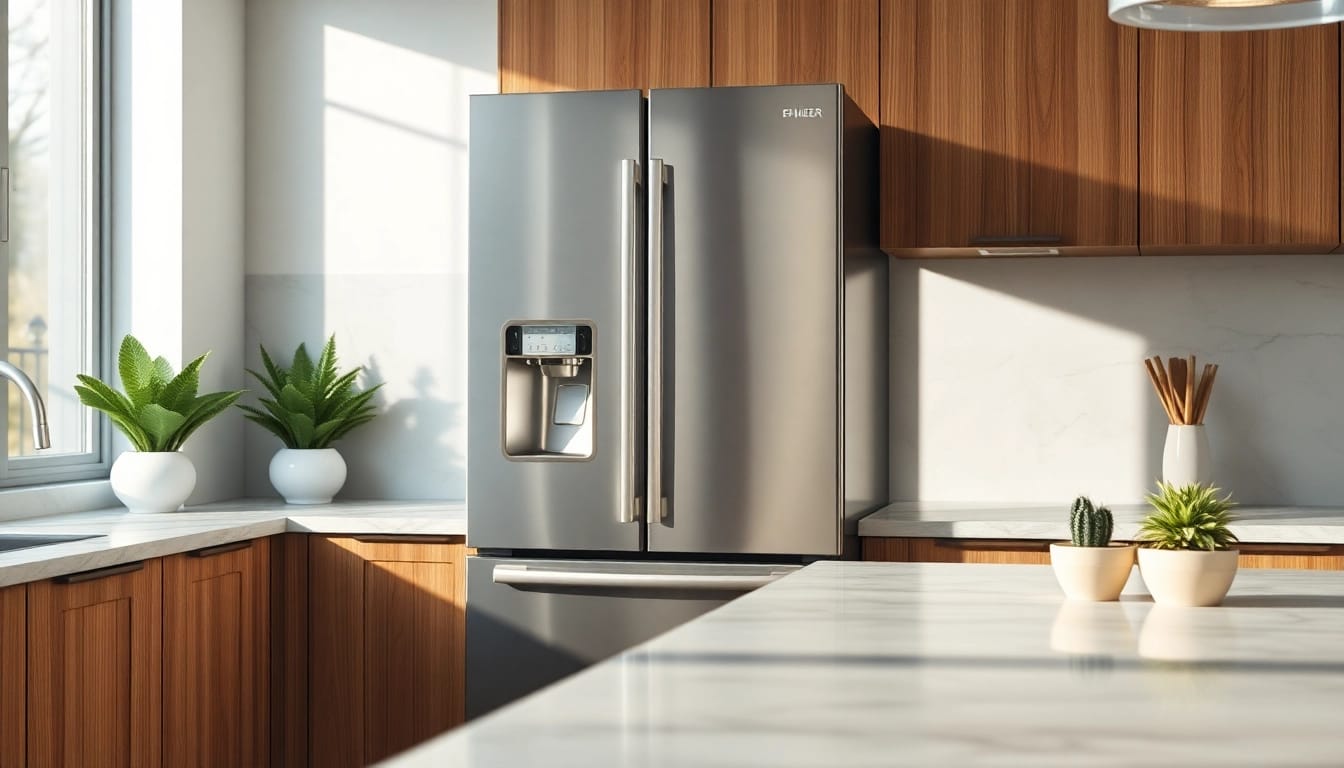
Understanding Your Refrigerator Needs
When selecting the perfect Refrigerator for your home, it's crucial first to understand your personal needs and preferences. This ensures that the appliance you choose fits seamlessly into your lifestyle, meets your storage requirements, and provides the necessary features for food preservation. Let’s delve into essential considerations that aid in evaluating your refrigerator needs.
Assessing Available Space
The size of your kitchen and designated areas for appliances significantly influences the type of Refrigerator you can purchase. To begin, measure the height, width, and depth of the space where your Refrigerator will be installed. Allow for some clearance, particularly if the door swings open, to ensure you have enough room to access the interior easily and to allow proper ventilation.
Additionally, consider your kitchen layout, cabinetry, and any other appliances that might affect access. Imagine how the Refrigerator integrates into your overall kitchen dynamics. A rough estimate is to book at least an extra inch around the appliance for airflow, which increases efficiency and longevity.
Identifying Key Features
The market offers a vast array of Refrigerator models, each boasting various functionalities. Key features to consider typically include:
- Temperature Control: Look for precise temperature settings and separate temperature zones for different compartments.
- Storage Space and Organization: Adjustable shelves, crisper drawers, and door bins can help customize the interior according to your needs.
- Water and Ice Dispensers: Many modern Refrigerators come equipped with built-in dispensers, providing convenience for drinking water and crushed or cubed ice.
- Smart Technology: Connectivity features allow you to monitor and control your Refrigerator remotely via smartphone apps, offering efficiency and convenience.
- Noise Level: Opt for models noted for their quiet operation, particularly if your kitchen is an open-plan layout.
Energy Efficiency Considerations
In today’s eco-conscious climate, energy efficiency is a vital factor when purchasing a Refrigerator. Energy-efficient appliances consume less power, leading to lower utility bills and a reduced carbon footprint. To assess energy efficiency, look for the ENERGY STAR rating, which signifies that the model exceeds minimum energy efficiency standards.
Other aspects to consider include:
- Size and Capacity: Larger models often consume more energy; therefore, choose a size that suits your needs without excess.
- Insulation: Quality insulation helps keep cold air inside, minimizing energy expenditure.
- Eco-friendly Features: Some models offer special modes to enhance energy savings, like vacation modes.
Types of Refrigerators Available
The diversity of available Refrigerator types can be overwhelming, yet knowing the distinctions helps significantly in making an informed choice. Here’s an overview of the popular categories:
Top-Freezer Refrigerators
Top-freezer models are traditional favorites known for their affordability and efficient use of space. The freezer compartment sits above the refrigerator section, making it convenient for users needing to access frozen goods frequently. These models are typically available in a variety of sizes, making it easy to fit into smaller or compact kitchens. Some additional points include:
- Simple layout and design
- Generally lower energy consumption
- More affordable than many other models
Side-by-Side Refrigerators
As the name suggests, side-by-side Refrigerators feature two compartments next to each other: one for the fridge and one for the freezer. This design provides easy access to items without having to bend down. Additional benefits include:
- Efficient organization with adjustable shelves
- Room for larger items like pizza boxes in the freezer
- Water and ice dispensers are often standard features
French Door Refrigerators
French door models combine modern aesthetics with functionality, boasting two doors for the fridge section and a pull-out freezer drawer. They offer a larger capacity and often come with smart technology features. Some notable characteristics include:
- Elegant, stylish design that enhances kitchen aesthetics
- Flexible storage options, ideal for large families
- Typically more energy-efficient due to their design and insulation
Buying Guide for Refrigerators
Buying a Refrigerator is an investment that deserves thorough consideration. Following a structured approach can ease your decision-making process. Here’s a guide to help you navigate this journey.
Setting Your Budget
Your budget is a defining factor in the types of Refrigerators you can consider. Prices vary based on features, size, and brand reputation. Generally, budget models fall within a lower price range, while premium brands with advanced features can be quite costly. Think not just about the purchase price but also about long-term operating costs, including energy consumption and potential repair costs. Establishing your budget upfront helps narrow down your choices effectively.
Where to Shop for Refrigerators
Refrigerators are available at various retailers, including big-box stores, appliance specialty stores, and online platforms. Consider the following when deciding where to shop:
- Local Appliance Stores: Often provide personalized service and insights about the products.
- Online Retailers: Convenient for comparing prices and reading user reviews; ensure to check the return/exchange policies.
- Warehouse Clubs: Can offer significant savings on popular models if you have a membership.
What to Look for During Installation
Proper installation is crucial for maximizing your Refrigerator's performance. During installation, consider:
- Correct Placement: Ensure the Refrigerator is leveled and has adequate clearance for ventilation.
- Door Swing Space: Confirm that there’s enough room for the doors to open fully.
- Power Outlet: Ensure a suitable power supply and avoid using extension cords for safety reasons.
Maintenance Tips for Your Refrigerator
Regular Cleaning Techniques
Regularly cleaning your Refrigerator interior and exterior enhances efficiency and prolongs the appliance's life. Consider these tips:
- Wipe spills immediately to prevent odors and bacteria growth.
- Every few months, empty the fridge and clean shelves and compartments with a mix of warm water and baking soda.
- Clean the condenser coils at the back or bottom to improve energy efficiency and prevent overheating.
Common Repair Tips
Over time, issues may emerge that require attention. Knowing some common repair tips can be helpful:
- Check the thermostat settings first if you notice temperature inconsistencies.
- If the Refrigerator is making noise, examine components like the condenser fan or evaporator fan for obstructions.
- Address drainage issues promptly to prevent water pooling inside the unit.
How to Optimize Performance
To ensure your Refrigerator operates at its best, implement these performance optimization techniques:
- Set the refrigerator temperature to 37°F and the freezer to 0°F for optimal food preservation.
- Keep the refrigerator full but not overcrowded to enhance efficiency.
- Regularly check and replace door seals if damaged to prevent air leaks.
FAQs about Refrigerators
How long do Refrigerators typically last?
The average lifespan of a Refrigerator is about 10 to 20 years, depending on the model and maintenance.
What is the most energy-efficient type of Refrigerator?
Generally, French Door Refrigerators are considered more energy-efficient due to their design and insulation properties.
How can I reduce energy consumption of my Refrigerator?
Keep the Refrigerator full, maintain the correct temperature, and check door seals regularly to reduce energy consumption.
What size Refrigerator do I need for my family?
For a family of four, a Refrigerator with a capacity of 20-25 cubic feet is usually adequate for storage needs.
Can I repair my Refrigerator myself?
Some minor repairs can be done DIY, but for major issues, it's best to consult a professional technician.